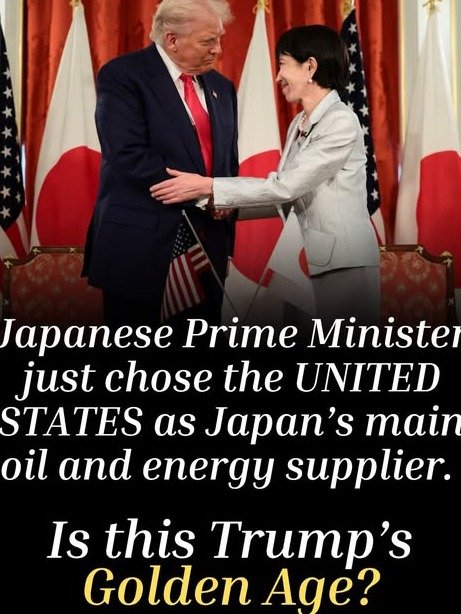
Could this be the most significant energy partnership of the decade? Japan, a nation historically vulnerable to global energy shocks, has just signaled a monumental shift in its strategic alliances. Under the bold leadership of Prime Minister Takaichi, Japan is poised to make the United States its primary energy partner, a decision with profound implications for global geopolitics and energy markets.
This isn’t merely a transactional agreement; it’s a declaration of deep strategic alignment. By placing American resources at the heart of its energy security, Japan is not only safeguarding its economic future but also reinforcing the critical alliance between two of the world’s most powerful democracies. The ripple effects of this move will be felt worldwide, reshaping supply chains and international relations.
Japan’s Quest for Energy Security: A Long and Challenging Road
For decades, Japan has navigated a precarious energy landscape. Lacking significant domestic fossil fuel reserves, the island nation has relied heavily on imports, primarily from the Middle East. This dependence has often left Japan susceptible to geopolitical instability, price volatility, and supply disruptions, creating a constant imperative for diversification and secure supply lines.
The 2011 Fukushima disaster further exacerbated this challenge, leading to the shutdown of many nuclear reactors and increasing the country’s reliance on imported fossil fuels, particularly liquefied natural gas (LNG). This created a pressing need to find stable, reliable, and politically aligned energy sources to fuel its advanced economy and industrial might.
“Japan’s energy security has always been its Achilles’ heel. This move with the United States isn’t just about fuel; it’s about fortifying our nation’s resilience and ensuring a stable future for generations to come,” stated a spokesperson for Prime Minister Takaichi’s office.
Past efforts to diversify included partnerships with various global players, but none have offered the comprehensive stability and strategic depth that the United States now presents. The shift marks a decisive turn away from a purely transactional energy procurement model towards one deeply embedded in a robust geopolitical alliance.
Why America? The Unrivaled Energy Powerhouse
The United States has emerged as an undisputed global energy superpower, particularly in the realm of natural gas and oil. The shale revolution transformed America from an energy importer to a significant exporter, providing an abundance of resources that can meet the demands of even the most energy-intensive economies.
This makes the US an ideal partner for Japan for several compelling reasons:
- Abundant and Stable Supply: The vast reserves of natural gas and crude oil in the US offer a long-term, reliable source of energy, mitigating Japan’s historical vulnerability to supply shocks.
- Diverse Export Infrastructure: With a growing number of LNG export terminals and robust shipping capabilities, the US can consistently deliver energy resources across the Pacific.
- Geopolitical Alignment: As long-standing allies, the US and Japan share democratic values and strategic interests, making the energy partnership inherently more secure and trustworthy than those with less stable or adversarial nations.
- Technological Leadership: The US also leads in renewable energy technologies and carbon capture, offering potential for future collaboration as Japan pursues its decarbonization goals.
Prime Minister Takaichi’s strategic vision recognizes that energy security is inextricably linked to national security and economic stability. By anchoring Japan’s energy future to the US, the nation gains not just fuel, but also a powerful layer of geopolitical insulation.
The Economic Engine: Benefits for Both Nations
This enhanced energy partnership promises substantial economic benefits for both Japan and the United States. For Japan, it means more predictable energy costs, reduced exposure to volatile global markets, and a strengthened foundation for industrial growth and innovation.
For the United States, the implications are equally significant. Increased energy exports to Japan will:
- Boost Economic Growth: Create jobs in the energy sector, stimulate investment in infrastructure, and improve the US trade balance.
- Strengthen American Influence: Further solidify the US position as a reliable global partner and a key player in international energy markets.
- Promote Energy Innovation: Encourage further development in extraction, processing, and shipping technologies.
The deal is a clear win-win, fostering economic prosperity and mutual dependence that reinforces the broader strategic alliance. It’s a testament to the power of collaboration in an increasingly complex global economy.
Beyond Fossil Fuels: A Glimpse into the Future of Collaboration
While the immediate focus of this partnership will likely be on traditional energy resources like LNG and potentially crude oil, the long-term vision extends much further. Both nations are committed to addressing climate change and transitioning to cleaner energy sources.
This opens doors for future collaboration in areas such as:
- Renewable Energy: Joint ventures in offshore wind, solar, and geothermal projects.
- Hydrogen and Ammonia: Development of green hydrogen production and supply chains, crucial for decarbonizing heavy industries.
- Advanced Nuclear Technology: Potential cooperation on next-generation small modular reactors (SMRs) and other advanced nuclear solutions.
- Carbon Capture, Utilization, and Storage (CCUS): Shared research and deployment of technologies to mitigate emissions from existing industries.
The partnership isn’t just about securing today’s energy needs; it’s about co-creating the sustainable energy solutions of tomorrow. Prime Minister Takaichi’s initiative is therefore not only a strategic pivot but also a forward-looking commitment to a greener future.
Navigating the Challenges: A Path Forward
Of course, such a significant undertaking is not without its challenges. Logistical complexities, infrastructure development costs, and the need to align regulatory frameworks will require careful planning and sustained effort from both sides. Ensuring competitive pricing and efficient delivery will also be paramount.
Furthermore, while the move strengthens the US-Japan alliance, it may prompt reactions from other energy-exporting nations or geopolitical rivals. Maintaining open dialogue and transparent communication will be crucial in navigating these dynamics.
“This is a bold step, and like any bold step, it will require dedication and perseverance. But the benefits – long-term energy security, economic vitality, and a reinforced alliance – far outweigh the challenges,” a senior analyst commented on the developing partnership.
Despite these hurdles, the strategic imperative behind Prime Minister Takaichi’s decision is clear. Japan is making a decisive move to secure its energy future and deepen its most critical international partnership. The world is watching to see how this pivotal alliance will unfold and redefine the global energy landscape.
The Bottom Line: A New Era for Japan and America
Prime Minister Takaichi’s strategic decision to elevate the United States as Japan’s leading energy partner marks the dawn of a new era. This isn’t just about securing fuel; it’s about forging an unbreakable bond rooted in shared values, mutual prosperity, and collective security.
As American resources flow across the Pacific, they will power not just Japan’s industries and homes, but also a renewed sense of confidence and stability in an uncertain world. This partnership is a powerful testament to the enduring strength of the US-Japan alliance and its critical role in shaping the 21st century.
About the Author




