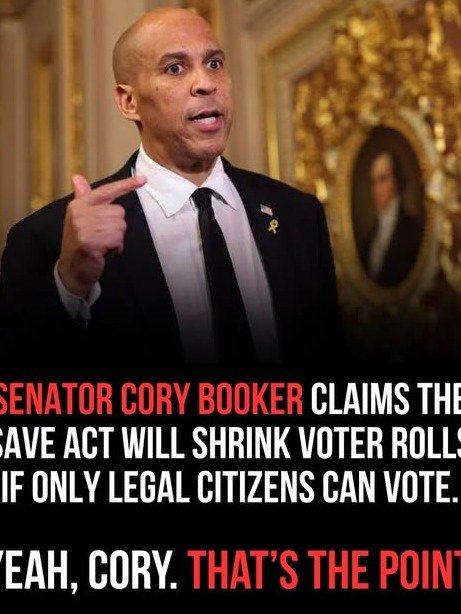
Imagine showing up to cast your ballot, only to discover your name has been mysteriously removed from the voter rolls. This terrifying scenario is precisely what critics fear could become a widespread reality under a new legislative push: the SAVE Act. Designed with the explicit goal of bolstering election security, this proposed law is now sparking intense debate, with many warning it could inadvertently disenfranchise countless eligible citizens.
At its core, the SAVE Act aims to fortify the integrity of our elections by ensuring voter rolls are accurate and up-to-date. However, a growing chorus of civil rights advocates and voting rights organizations argues that while its intentions may be good, the practical implementation of the act could erect significant barriers to voter registration, making it disproportionately harder for some legal Americans to exercise their fundamental right to vote.
The Promise of Election Integrity: What is the SAVE Act?
The SAVE Act, or ‘Securing America’s Votes and Elections Act,’ is a legislative proposal focused on reforming how states manage their voter registration databases. Proponents argue that outdated, inaccurate voter rolls pose a significant risk to election integrity, potentially leading to duplicate registrations, registrations of ineligible voters, or even the perception of fraud that erodes public trust.
Its primary objective is to enhance the accuracy and reliability of voter registration lists across the nation. This includes measures like improved data sharing between state and federal agencies, more rigorous verification processes for new registrants, and streamlined procedures for identifying and removing ineligible voters from the rolls.
Those who support the SAVE Act believe that ‘clean’ voter rolls are essential for fair and transparent elections. They contend that by ensuring only eligible citizens are registered and that each eligible citizen is registered only once, the system becomes more secure against potential abuses and boosts overall confidence in election outcomes.
Unpacking the Controversy: A Threat to Voter Access?
While the goal of accurate voter rolls is widely supported, the methods proposed by the SAVE Act have ignited a firestorm of criticism. Opponents argue that the act’s stringent requirements and aggressive voter roll maintenance procedures could inadvertently sweep up legitimate voters, leading to their removal or making it exceptionally difficult for them to register in the first place.
The core concern is that what proponents call ‘election security’ could, in practice, become ‘voter suppression.’ Critics fear that the increased administrative burden and potential for errors in data matching could disproportionately affect certain demographics, effectively creating a labyrinthine process that discourages or even prevents eligible citizens from participating in democracy.
This isn’t just about making registration a little harder; it’s about the potential for systemic hurdles that could silence the voices of thousands, if not millions, of legal Americans who are fully entitled to vote.
The Devil in the Details: How Voter Rolls Get ‘Cleaned’
Current voter roll maintenance practices vary significantly by state, often involving comparing state databases with federal death records, felony conviction lists, and residency changes. The SAVE Act seeks to standardize and intensify these processes, requiring states to use more aggressive data matching techniques and more frequent purges of inactive or potentially ineligible voters.
One of the most contentious aspects is the reliance on potentially imperfect federal databases and cross-state comparisons. Discrepancies can arise from simple data entry errors, name changes, or even common names causing false positives. When these inaccuracies lead to a voter being flagged as ineligible, the burden often falls on the individual to prove their eligibility, a process that can be confusing and time-consuming.
“While the intent might be to catch fraudulent registrations, the reality is that overly aggressive voter roll purges often ensnare legitimate voters whose data simply doesn’t perfectly match a government database. This is a recurring problem that disproportionately impacts vulnerable communities,” explains one voting rights advocate.
The act could also mandate stricter requirements for new voter registrations, potentially demanding more forms of identification or more complex verification steps. While seemingly minor, these additional steps can become significant obstacles for individuals who lack specific documents or face logistical challenges in obtaining them.
Who Bears the Brunt? The Disproportionate Impact
Critics are particularly vocal about the potential for the SAVE Act to disproportionately affect specific groups of legal American citizens. Naturalized citizens, for example, may face additional scrutiny or bureaucratic hurdles when verifying their citizenship status, even if they have been citizens for decades.
Young voters, who often move frequently for college or new jobs, or those experiencing homelessness, could find themselves removed from voter rolls due to residency challenges or outdated address information. Similarly, low-income individuals or those with limited access to transportation or technology might struggle to navigate complex re-registration processes or respond to eligibility challenges.
Racial and ethnic minority communities, who have historically faced barriers to voting, are also a major concern. Stricter voter ID laws and aggressive purges have often been shown to have a more significant impact on these populations, leading to lower voter turnout and reduced political representation. The SAVE Act’s proposed measures, critics argue, could exacerbate these existing inequalities.
Balancing Act: Security vs. Access
The debate surrounding the SAVE Act highlights a fundamental tension in election administration: how to balance the need for secure, accurate elections with the imperative to ensure every eligible citizen can easily cast their vote. Both security and access are crucial pillars of a healthy democracy, and neither should be sacrificed for the other.
Proponents of the SAVE Act genuinely believe their measures are necessary to safeguard the integrity of the ballot box and prevent fraud, which they argue undermines public confidence. They see robust voter roll maintenance as a vital defense mechanism against potential abuses and believe that any inconvenience is a small price to pay for a more secure system.
However, voting rights advocates contend that the risk of widespread voter fraud is often exaggerated, and that policies designed to combat it frequently create greater obstacles for legitimate voters. They emphasize that the right to vote is a cornerstone of American democracy and that any law that makes it harder for eligible citizens to participate fundamentally undermines the very principles it purports to protect.
Historical Context: The Ongoing Battle Over Voting Rights
This clash over the SAVE Act is not new; it’s part of a long-standing national debate about voting rights and election administration. Throughout American history, various legislative efforts, court cases, and social movements have shaped who can vote and how they can do it. From poll taxes and literacy tests to modern-day voter ID laws and debates over early voting, the struggle for equitable access to the ballot box has been continuous.
In recent decades, the issue has become increasingly polarized, with different political factions emphasizing either election security or voter access. This partisan divide often leads to legislative proposals that are viewed through a highly politicized lens, making it difficult to find common ground or implement reforms that satisfy all stakeholders.
The SAVE Act, therefore, stands as the latest chapter in this ongoing battle, reflecting deep-seated disagreements about the nature of election threats and the appropriate governmental response.
The Road Ahead: What This Means for You
As the debate around the SAVE Act continues, its potential impact on future elections cannot be overstated. If passed and implemented, it could fundamentally alter the landscape of voter registration and participation in America. Understanding the nuances of this legislation and its potential consequences is crucial for every citizen.
It’s vital to stay informed about legislative developments in your state and at the federal level regarding election laws. Take the time to understand how proposed changes might affect your ability to vote and the voting rights of others in your community. Ensure your own voter registration is up-to-date and proactively check your status through official state election websites.
The balance between election security and voter access is delicate, and ensuring both are upheld requires constant vigilance and informed engagement from the public. The SAVE Act represents a significant moment in this ongoing conversation, and its resolution will undoubtedly shape the future of American democracy.
Conclusion: A Critical Juncture for Democracy
The SAVE Act presents a complex challenge, aiming to address legitimate concerns about election integrity while simultaneously raising serious alarms about potential voter disenfranchisement. The core tension lies in whether its proposed measures will truly enhance security without inadvertently suppressing the votes of legal Americans.
As this critical debate unfolds, it’s imperative that policymakers, advocates, and citizens alike engage in a thoughtful, evidence-based discussion. The future of our democratic process hinges on finding solutions that genuinely secure our elections while robustly protecting every eligible citizen’s fundamental right to vote, ensuring that no one is left behind in the pursuit of a more perfect union.
About the Author




