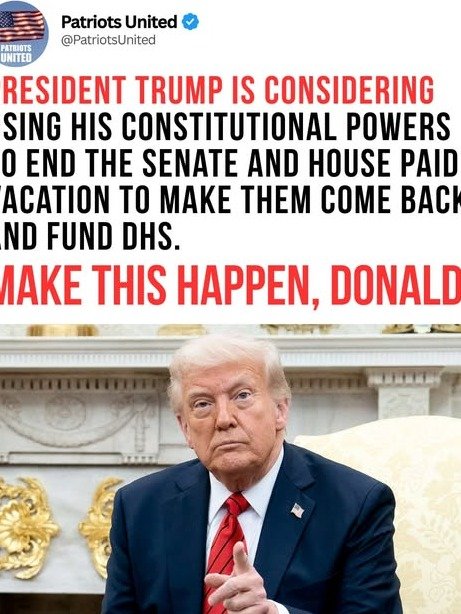
Imagine a scenario where the very agencies tasked with protecting our borders, responding to national disasters, and safeguarding our cybersecurity are operating on borrowed time, their resources stretched thin by political infighting. This isn’t a dystopian novel; it’s the alarming reality facing the Department of Homeland Security (DHS) right now. As congressional funding remains trapped in a suffocating political gridlock, a chorus of voices is growing louder, demanding that our elected officials drop everything and return to Washington to do the job they were sent to do.
The clock is ticking, and the consequences of inaction are far more severe than many realize. From the agents securing our frontiers to the experts protecting our digital infrastructure, the vital work of DHS is being jeopardized by a stalemate that threatens national security and public safety. This isn’t just about budget numbers; it’s about the very foundation of our nation’s defense against a myriad of threats, both foreign and domestic.
The Critical Role of DHS: More Than Just Borders
Many people associate the Department of Homeland Security primarily with border patrol, but its mandate is incredibly broad and touches nearly every aspect of American life. Established in the wake of 9/11, DHS was created to unify numerous federal agencies under one umbrella, enhancing coordination and effectiveness in protecting the nation.
Its responsibilities span across 22 different agencies and departments, encompassing everything from airport security via the Transportation Security Administration (TSA) to cybersecurity defense led by CISA (Cybersecurity and Infrastructure Security Agency). The Secret Service, responsible for protecting the President and other high-ranking officials, also falls under the DHS umbrella, as does FEMA, the Federal Emergency Management Agency, which is crucial for disaster response and recovery.
Consider the daily operations: TSA agents screening millions of passengers, Coast Guard personnel patrolling our waterways, Customs and Border Protection (CBP) officers securing our vast borders, and U.S. Immigration and Customs Enforcement (ICE) agents enforcing immigration laws. Each of these components plays an indispensable role in maintaining the safety and security of the United States. A disruption to their funding means a disruption to their ability to perform these critical duties effectively.
The Deep Roots of the Gridlock: A Battle of Ideologies
The current funding impasse is not a new phenomenon but rather a recurring symptom of deeper political divisions that plague Washington. At its heart, the gridlock often revolves around deeply entrenched disagreements on immigration policy, border security strategies, and overall government spending levels. Each political party comes to the negotiating table with fundamentally different priorities and ideological frameworks, making compromise incredibly difficult.
One side might advocate for increased enforcement and physical barriers, demanding more resources for border agents and deportation efforts. The other might push for comprehensive immigration reform, focusing on pathways to citizenship, humanitarian aid, and addressing the root causes of migration. These contrasting visions often clash head-on when it comes to allocating funds, leading to a stalemate that leaves critical agencies in limbo.
“The political theater in Washington is having real-world consequences for the men and women on the front lines,” stated one frustrated DHS official anonymously. “We’re not just numbers; we’re people trying to do a job, and this uncertainty chips away at morale and operational readiness.”
Beyond immigration, broader budget battles also play a significant role. Lawmakers often use appropriations bills to push for unrelated legislative priorities or to make a political statement, further complicating the process. The result is a legislative logjam that prioritizes political maneuvering over the essential functioning of government.
The Alarming Consequences: What’s at Stake?
When DHS funding is caught in political limbo, the ripple effects are immediate and far-reaching. The most visible impact often involves the threat of a government shutdown or operating under continuing resolutions, which essentially freeze spending at previous levels without accounting for new needs or inflation. This can lead to:
- Reduced Operational Capacity: Agencies may have to furlough non-essential staff, delay critical maintenance, or scale back training exercises. This directly impacts their ability to respond to emerging threats.
- National Security Risks: Gaps in intelligence gathering, weakened border patrols, and diminished cybersecurity defenses create vulnerabilities that adversaries could exploit.
- Impact on Public Safety: Services like airport security, disaster preparedness, and critical infrastructure protection could be compromised, putting the public at greater risk.
- Employee Morale and Retention: The uncertainty of paychecks and job security can lead to low morale, increased stress, and a potential exodus of skilled personnel, which is incredibly difficult to recover from.
- Economic Disruption: A full or partial shutdown can disrupt travel, trade, and various government services, causing economic ripples across the country.
For instance, under a funding lapse, essential personnel like border patrol agents and TSA officers are often deemed ‘essential’ and required to work without pay. This is not only unfair to them and their families but also creates a stressful environment that can impact performance and long-term commitment to public service.
A History of Dysfunction: Learning from Past Shutdowns
This isn’t the first time Congress has found itself in this precarious position. The United States has experienced multiple government shutdowns over the past few decades, each with its own set of causes and consequences. These events serve as stark reminders of the fragility of our political system when compromise is elusive.
Past shutdowns have shown us that even short-term disruptions can have lasting effects. Furloughed federal workers face financial hardship, critical research projects are halted, and public services are delayed. The cumulative effect erodes public trust in government and makes it harder for agencies to plan and execute their long-term missions.
The recurring nature of these funding battles suggests a systemic issue that goes beyond any single policy disagreement. It points to a deep-seated partisan divide that often paralyzes legislative action, even when the stakes are as high as national security.
The Growing Push: Demanding Accountability from Congress
The frustration isn’t confined to Washington; it’s boiling over across the nation. Lawmakers from both sides of the aisle, business leaders, national security experts, and everyday citizens are all increasingly vocal in their demand for Congress to put politics aside and fulfill its fundamental duty: funding the government.
Veterans’ groups, unions representing federal employees, and advocacy organizations are amplifying the call for immediate action. They argue that the continued gridlock is an abdication of responsibility and a dangerous gamble with the safety and well-being of the American people. The sentiment is clear: enough is enough.
“Our representatives were elected to govern, not to engage in endless political stunts,” asserted one prominent civic leader in a recent press conference. “It’s time for them to return to the capital, negotiate in good faith, and pass the necessary appropriations bills without further delay.”
The public’s patience is wearing thin. There’s a palpable sense that the challenges facing the nation—from border security to economic stability—are too critical to be held hostage by partisan squabbles. The call to “haul Congress back in” isn’t just a political slogan; it’s a desperate plea for functional governance.
Paths to Resolution: Can Compromise Prevail?
Resolving the DHS funding gridlock will require a significant shift in approach from all parties involved. It demands a willingness to compromise, to prioritize national interest over narrow political victories, and to engage in genuine, bipartisan negotiation. Several potential paths forward could include:
- Grand Bargain: A comprehensive agreement that addresses not only DHS funding but also broader immigration reform and other contentious budget items.
- Clean Funding Bill: Passing a straightforward appropriations bill for DHS without attaching unrelated policy riders, allowing the agency to operate fully while other debates continue.
- Bipartisan Working Groups: Establishing dedicated groups of lawmakers from both parties to negotiate specific sticking points outside of the high-pressure, public spotlight.
- Public Pressure: Continued and sustained pressure from constituents and advocacy groups, reminding lawmakers of the real-world impact of their inaction.
Ultimately, the solution lies in the hands of our elected representatives. They possess the power to end this dangerous stalemate, secure our nation, and restore faith in the government’s ability to function. The stakes are too high for continued inaction.
The Unseen Cost: Erosion of Trust and Preparedness
Beyond the immediate operational challenges, the ongoing funding crises chip away at something far more fundamental: public trust in government. When essential services are threatened by political squabbling, citizens begin to lose faith in the ability of their leaders to manage the country effectively.
This erosion of trust makes it harder for government agencies to garner public cooperation, recruit talented individuals, and implement long-term strategies. It creates an environment of instability that benefits no one, least of all the American people who rely on these vital services every single day.
Furthermore, the constant threat of funding interruptions hampers long-term planning and investment in critical infrastructure, technology, and personnel development. Agencies are forced to operate in a reactive mode, always bracing for the next fiscal cliff, rather than proactively addressing evolving threats. This is a dangerous posture for any nation, especially one facing complex and rapidly changing global challenges.
It’s Time for Action: Demand Accountability
The message is clear: the time for political gamesmanship is over. The Department of Homeland Security, and by extension, the safety and security of every American, cannot afford to be a casualty of congressional gridlock. It is imperative that our elected officials heed the growing calls for action, return to Washington, and fulfill their constitutional duty to fund the government.
The dangers of prolonged inaction are real, tangible, and growing with each passing day. From securing our borders to protecting our digital infrastructure, the vital work of DHS underpins our national security. It’s not just about passing a bill; it’s about safeguarding our nation’s future. The public must continue to demand accountability, ensuring that those sent to govern actually do their job.
Your safety, and the security of the nation, depend on it. Don’t let them forget it.
About the Author




