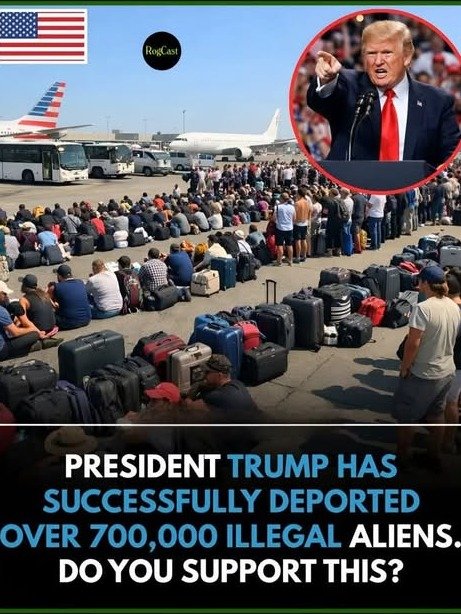
The landscape of immigration policy in the United States underwent a seismic shift during the Trump administration, igniting fierce debate and leaving an undeniable mark on the nation. At the heart of this contentious period was a core argument championed by supporters: that a dramatic increase in stricter enforcement led directly to a significant surge in the removal of undocumented immigrants.
This perspective framed the administration’s actions as a decisive return to ‘law and order,’ a necessary step after what many perceived as laxer policies in previous years. But what exactly did this heightened enforcement entail, and did it truly result in the unprecedented rise in removals that supporters claimed? The answer, like much of immigration policy, is far more complex than a simple headline suggests.
Unpacking the ‘Law and Order’ Mandate
From the moment Donald Trump launched his presidential campaign, immigration enforcement was a central pillar of his platform. His administration quickly moved to implement a series of aggressive measures designed to deter illegal crossings and increase the apprehension and removal of individuals residing in the U.S. without authorization.
These initiatives included the much-publicized ‘zero tolerance’ policy at the U.S.-Mexico border, which sought to criminally prosecute all adults caught crossing unlawfully, leading to widespread family separations. Furthermore, there was a significant push to empower Immigration and Customs Enforcement (ICE) and Customs and Border Protection (CBP) agents, granting them broader authority and resources.
The Stricter Enforcement Playbook
The Trump administration’s approach wasn’t just about border security; it extended deep into the interior of the country. Policies aimed at expanding the categories of immigrants prioritized for deportation, even those with minor offenses or long-standing ties to U.S. communities, marked a departure from previous administrations.
ICE operations saw increased visibility, with targeted raids and arrests becoming more frequent. The messaging was clear: the era of perceived leniency was over, and anyone in the country without legal status was a potential target for removal. This robust stance resonated strongly with a segment of the American public who felt that immigration laws had not been adequately enforced.
“We are restoring the rule of law at our borders and in our communities. This administration is committed to securing our nation and ensuring that those who violate our laws face consequences.” — A common sentiment echoed by administration officials.
The Numbers Game: What Do the Statistics Say?
When assessing the impact of these policies, the figures surrounding removals become a focal point of contention. Supporters often pointed to specific metrics to demonstrate the effectiveness of the crackdown, highlighting that the message of stricter enforcement was indeed translating into action.
However, analysts and critics frequently challenged the way these numbers were presented, arguing that a true comparison required a deeper dive into definitions and historical context. For instance, the distinction between ‘removals’ and ‘returns’ — and how each administration categorized these actions — could significantly skew the perception of increased enforcement.
A Closer Look at Removals vs. Returns
It’s crucial to understand the nuances in immigration terminology. A ‘removal’ (deportation) is the compulsory expulsion of an alien from the U.S. based on an order of removal. A ‘return’ is the confirmed movement of an inadmissible or deportable alien out of the U.S. not based on an order of removal. Historically, ‘returns’ often occurred at the border when individuals voluntarily withdrew their applications for admission.
While the Trump administration did oversee a substantial number of removals, particularly of individuals apprehended at the border, overall deportation numbers did not always surpass those of previous administrations, especially when compared to peak years under President Obama. This led to considerable debate about the true scale of the ‘increase’ and its interpretation.
- Border Removals: Saw a significant focus and often increased under Trump.
- Interior Removals: While still substantial, these numbers sometimes fluctuated and were a point of comparison with earlier administrations.
- Methodology: The way different administrations count and report these figures can make direct comparisons challenging and often politically charged.
The Human Cost and Critical Perspectives
While supporters emphasized the restoration of ‘law and order,’ critics highlighted the significant human cost of these policies. The ‘zero tolerance’ approach, in particular, led to thousands of children being separated from their parents at the border, sparking widespread condemnation both domestically and internationally.
Reports of overcrowded detention facilities, inadequate access to legal counsel, and the emotional trauma inflicted on families became central to the opposition’s narrative. Many argued that the focus on sheer numbers overshadowed fundamental human rights and the due process owed to individuals, regardless of their immigration status.
Economic and Social Reverberations
Beyond the legal and humanitarian aspects, the stricter enforcement policies also had tangible economic and social impacts. Industries reliant on immigrant labor, particularly in agriculture and construction, reported labor shortages and increased operational costs. Communities with large immigrant populations experienced heightened fear and distrust of law enforcement, impacting civic engagement and public safety initiatives.
The debate extended to the very fabric of American identity, prompting questions about the nation’s historical role as a haven for immigrants and the balance between national security and humanitarian values. These discussions continue to shape political discourse and policy proposals today.
The Legacy of Enforcement: What Comes Next?
The Trump administration’s immigration policies, characterized by their emphasis on strict enforcement and a ‘law and order’ framework, undeniably reshaped the national conversation around immigration. While supporters maintain that these actions were essential for national security and upholding the rule of law, critics point to the profound human impact and the questionable efficacy of some measures.
The legacy of this era continues to influence current policy debates and judicial challenges. Understanding the complex interplay between political rhetoric, actual policy implementation, and the diverse interpretations of data is crucial for anyone seeking to grasp the full scope of America’s ongoing immigration saga. It’s a story not just about numbers, but about people, principles, and the persistent quest for a fair and effective immigration system.
Beyond the Headlines: A Deeper Dive Into Policy Motivations
The motivation behind the Trump administration’s aggressive immigration stance went beyond merely increasing removals. It was deeply rooted in a nationalist ideology that prioritized perceived national sovereignty and security above all else. This approach sought to send a clear message: unauthorized entry and residence would no longer be tolerated, and the system would be reformed to favor legal immigration based on merit rather than family ties.
This philosophical underpinning informed every policy decision, from the proposed border wall to the rhetoric surrounding asylum seekers. It created a stark contrast with previous administrations, which, while also engaging in enforcement, often balanced it with pathways to legal status or considerations for humanitarian relief.
The Shifting Definition of Success
For Trump supporters, the success of these policies was often measured by the perceived reduction in illegal border crossings and the number of individuals removed. The visible presence of border patrol and ICE, coupled with the administration’s strong rhetoric, was seen as a deterrent that restored order to what they viewed as a chaotic situation.
However, critics measured success differently, focusing on metrics such as the preservation of family unity, adherence to international human rights standards, and the economic integration of immigrant communities. This fundamental disagreement over what constitutes a ‘successful’ immigration policy continues to fuel the political divide.
Looking Ahead: The Ongoing Immigration Debate
The impact of the Trump era’s enforcement-first strategy will be felt for years to come. Court cases stemming from these policies are still being litigated, and the emotional scars on families and communities remain. Future administrations face the monumental task of addressing a deeply polarized issue, often having to choose between continuing aspects of the enforcement approach or reverting to more comprehensive reform efforts.
Ultimately, the discussion around Donald Trump’s immigration policies and the argument for increased removals due to stricter enforcement is not just about statistics. It’s about competing visions for America, the role of government, and the fundamental values that define a nation. Understanding these different perspectives is key to navigating the complex and often emotional terrain of immigration in the 21st century.
About the Author




