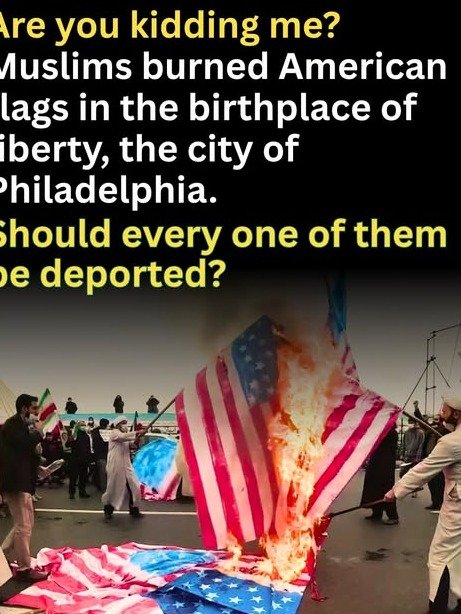
Picture this: Independence Day, a time for fireworks, family, and national pride. The Stars and Stripes wave proudly, commemorating America’s birth and its founding principles of liberty and justice. Yet, in Philadelphia, the very birthplace of American independence, this spirit was dramatically shattered.
Outside historic City Hall, anti-Israel demonstrators gathered. Amidst their fervent protest, American flags were deliberately set on fire. The shocking images instantly spread across news channels and social media, igniting a profound national debate about patriotism, protest limits, and free expression.
This was no mere local incident; it reverberated across the country. It forced Americans to confront uncomfortable truths about national divisions and the emotional power of symbols. Juxtaposed against Independence Day festivities, the act became a flashpoint, drawing widespread condemnation and sparking nuanced discussions.
Independence Day Interrupted: The Scene in Philadelphia
The controversial incident unfolded on Thursday, July 4th, 2024. Hundreds of anti-Israel protesters converged on Philadelphia’s bustling streets, marching towards City Hall. They carried Palestinian flags and placards denouncing Israeli policies, their chants echoing demands for a ceasefire and an end to the Gaza blockade.
Organized by pro-Palestinian groups, the demonstration aimed to highlight the humanitarian crisis in Gaza and criticize perceived U.S. support for Israel. The atmosphere was charged with palpable emotion, reflecting deep anger and frustration over the complex Israeli-Palestinian conflict. Participants voiced demands for re-evaluating U.S. foreign policy.
While peaceful demonstrations are a cornerstone of American democracy, what transpired at City Hall transcended typical civic engagement. Video footage, rapidly circulated online, captured individuals actively engaging in the deliberate burning of American flags. This jarring sight on a day dedicated to national pride instantly drew widespread condemnation.
Flames of Outrage: A Sacred Symbol Set Ablaze
Setting the American flag on fire is a deeply provocative and often polarizing gesture. It typically conveys extreme dissatisfaction or a complete rejection of the nation, its government, or its policies. On July 4th, outside Philadelphia’s government seat, many interpreted this act as a direct assault on the flag’s values, history, and profound sacrifices.
Chants from the crowd, amplified by the visual shock of burning flags, signaled a potent message of dissent. This was directed against both U.S. foreign policy and, for many, the very fabric of American identity. The symbolism was unmistakable: a rejection of what protesters believed America stood for in its international dealings.
News of the flag burning quickly became a national sensation, dominating social media and television. The imagery was stark and unforgettable: the Stars and Stripes, engulfed in angry flames, against the backdrop of a city celebrating its heritage. This powerful visual ensured the protest gained a highly controversial layer centered on desecration.
A Nation Reacts: Condemnation and Emotional Scars
The reaction to the Philadelphia flag burning was swift, intense, and overwhelmingly condemnatory. Veterans’ groups, patriotic organizations, and countless citizens expressed profound anger, sorrow, and a sense of betrayal. For millions, the American flag embodies immense sacrifices, civil rights struggles, and the collective ideals of a diverse nation.
“To burn the American flag on the Fourth of July, especially in a city so central to our nation’s founding story, is an abhorrent act that shows a complete disregard for the freedoms, values, and sacrifices our country stands for,” remarked a visibly emotional veteran. “It’s a direct slap in the face to every man and woman who has ever worn the uniform, and to their families.”
Political figures across the spectrum also weighed in. Local Philadelphia officials expressed deep disappointment, calling for respectful expression. National leaders, particularly conservatives, decried the flag burning as un-American and an affront to national identity. The incident swiftly became a central talking point in the broader American culture wars.
The Thorny Issue: Free Speech vs. Flag Desecration
The burning of the American flag, while offensive to many, occupies a complex, constitutionally protected space within U.S. law. The Supreme Court, in its landmark 1989 decision Texas v. Johnson, ruled that flag burning constitutes protected speech under the First Amendment. This established that even profoundly offensive acts fall within guaranteed free expression.
This legal precedent frequently clashes with deeply held public sentiment. For many Americans, the flag is not merely a political symbol but a sacred emblem representing the nation’s soul. They believe it should be unequivocally protected from desecration, regardless of the message conveyed. The Philadelphia incident reignited this perennial and often painful debate.
The arguments surrounding flag burning often center on a few key points:
- Constitutional Protection: Proponents argue the First Amendment guarantees freedom of expression, and symbolic acts like flag burning are vital to democracy. Protesting cherished symbols is a hallmark of true liberty.
- Symbolic Speech: The Supreme Court recognizes actions can convey powerful political messages; flag burning is a quintessential example. Banning it would restrict a fundamental form of political communication.
- Public Outrage: Opponents contend limits should exist when an act is deeply offensive to the majority, especially veterans. They argue the flag represents unity, and its desecration undermines that unity.
- Calls for Amendment: Historically, Congress has seen numerous attempts to ban flag desecration via constitutional amendment. Despite public support, none have succeeded, highlighting tension between legal protections and symbolic reverence.
Understanding the Message Behind the Flames
While flag burning became the dominant headline, understanding the demonstrators’ underlying motivations is essential. These were participants in a broader anti-Israel protest, driven by profound concerns over the Gaza conflict, the humanitarian crisis, and Israeli policies towards Palestinians. Their grievances were clear and vocal.
Their demands included an immediate ceasefire, an end to the Gaza blockade, and unimpeded humanitarian aid. They also voiced vehement criticism of American financial, military, and diplomatic support for Israel. Many protesters perceive this support as directly enabling conflict and contributing to Palestinian suffering.
For these protesters, burning the American flag was likely a powerful, albeit provocative and alienating, statement. It aimed to symbolize their profound rejection of U.S. foreign policy. They believed this policy contributed to Palestinian suffering, or expressed broader disillusionment with American values on the global stage.
Beyond Philadelphia: A Reflection of Global Tensions
The Philadelphia flag burning is not an isolated occurrence but a visible manifestation of a complex global phenomenon. The Israeli-Palestinian conflict remains a contentious geopolitical issue, regularly sparking protests and debates worldwide. In the U.S., these international tensions are amplified by existing domestic political divisions and differing views on America’s global role.
The incident underscores how deeply intertwined global conflicts can become with national symbols and domestic political discourse. It compelled Americans to confront difficult questions about their country’s identity, moral standing, and the limits of dissent. The outrage generated serves as a potent reminder that even on a day for national unity, profound disagreements can erupt into visible, polarizing acts.
The Lingering Ash: What Does This Mean for America’s Future?
As smoke cleared from Philadelphia, the embers of debate continued to glow across the nation. The July 4th flag burning left an indelible mark on the conversation about patriotism, protest limits, and freedom in America. It challenged individuals to reconcile reverence for national symbols with constitutional protections for provocative expression.
The event starkly highlighted deep fault lines within American society regarding foreign policy, human rights, and national identity. While condemned by many, it also served as a stark reminder that freedom of speech, however unsettling, remains a fundamental cornerstone of the American experiment.
Ultimately, the Philadelphia flag burning was more than a protest. It was a powerful, albeit painful, mirror reflecting the intricate complexities and ongoing struggles of a nation grappling with its ideals in a rapidly changing world. It forced a difficult conversation, essential for a society committed to both liberty and unity.
About the Author




