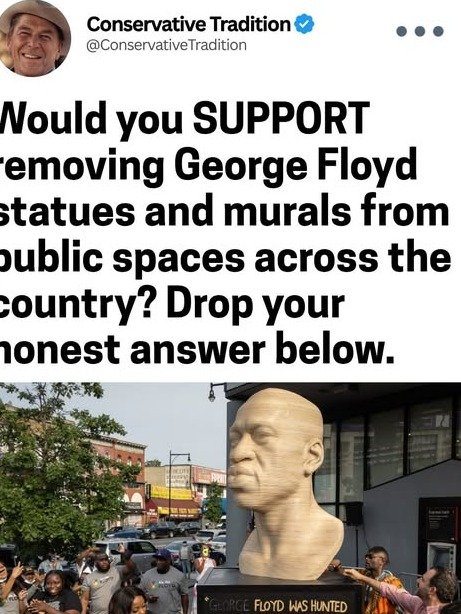
Across America, from bustling city centers to quiet community parks, a striking new form of public art has emerged: memorials dedicated to George Floyd. These powerful installations, ranging from towering statues to vibrant murals, have become undeniable fixtures in our national landscape, sparking conversations that run far deeper than mere aesthetics. What many may not realize, however, is the complex and often contentious debate simmering beneath the surface of these public tributes, especially concerning their funding and the individual they honor.
These widespread memorials are more than just artistic expressions; they are potent symbols of a pivotal moment in modern American history. Yet, as they proliferate, questions arise about the process of public memorialization itself, the financial implications for taxpayers, and the full narrative of the person being commemorated. It’s a discussion that forces us to confront uncomfortable truths about justice, memory, and the values we choose to enshrine in our shared public spaces.
The Rise of Public Tributes: A Nationwide Phenomenon
In the wake of George Floyd’s tragic death in May 2020, a wave of global protests erupted, demanding an end to systemic racism and police brutality. As the outrage galvanized communities, a powerful movement began to take shape, not just in the streets but also in the realm of public art. Artists and activists alike sought to immortalize Floyd’s image, transforming him into a symbol of the struggle for racial justice.
From Minneapolis, where his life was tragically cut short, to cities like Houston, New York, Los Angeles, and beyond, murals depicting Floyd’s face with poignant messages of hope and resilience quickly appeared on walls, buildings, and community centers. These vibrant artworks often became impromptu gathering places, sites for reflection, and focal points for ongoing activism. They were a raw, immediate response to a national trauma.
Beyond murals, more permanent structures soon followed. Statues, often life-sized or larger, began to be unveiled in prominent locations. These included a bronze bust in Union Square, New York City, and another statue in Newark, New Jersey, among others. Each memorial, whether painted or sculpted, aimed to ensure that Floyd’s name and the circumstances of his death would not be forgotten, serving as a constant reminder of the urgent need for change.
The Funding Conundrum: Public vs. Private Purse Strings
One of the most significant points of contention surrounding these memorials lies in their funding. While many murals and smaller installations have been privately funded through grassroots efforts, crowdfunding, or donations from non-profit organizations, a substantial number of larger, more permanent memorials have received, at least in part, taxpayer money.
This reliance on public funds has ignited a fierce debate. Critics argue that using city, county, or state budgets for such memorials diverts essential resources from other pressing community needs, such as education, infrastructure, or public safety. They question the appropriateness of allocating taxpayer dollars to commemorate an individual whose past, they contend, makes him an unsuitable candidate for public honor.
“When public funds are used, there’s an inherent expectation of broad consensus and a clear public benefit. The use of taxpayer money for memorials that are deeply divisive raises legitimate questions about how our civic resources are allocated and whose stories we prioritize.”
Conversely, proponents argue that these memorials serve a crucial public good by fostering dialogue about racial injustice and promoting a more equitable society. They believe that investing in art that reflects contemporary social movements is a legitimate use of public funds, contributing to the cultural and historical landscape of a city in a meaningful way. For them, the memorials are investments in societal healing and progress.
The Shadow of the Past: George Floyd’s Criminal History
The most profound and often uncomfortable aspect of the debate centers on George Floyd’s personal history. Before his death, Floyd had a lengthy criminal record, which included multiple arrests and convictions for offenses ranging from drug possession to aggravated robbery. This history, a matter of public record, is frequently cited by critics as a primary reason why public funds should not be used to memorialize him.
For many, the idea of honoring an individual with a significant criminal past with public monuments is deeply problematic. They argue that such memorials glorify or overlook behaviors that society typically condemns, sending a confusing message about justice and accountability. These critics often feel that memorializing Floyd in this way undermines the very principles of law and order that public institutions are meant to uphold.
This perspective is often rooted in a belief that public figures chosen for memorialization should embody exemplary virtues or contributions to society. The existence of a criminal record, regardless of the circumstances of his death, is seen by some as disqualifying for such widespread and publicly funded tributes. This viewpoint highlights a fundamental disagreement about who society deems worthy of public veneration.
Symbol vs. Individual: Unpacking the Debate
The heart of the controversy often lies in a distinction that many find difficult to reconcile: is the memorialization about George Floyd the individual, or George Floyd the symbol? Supporters of the memorials frequently argue that the tributes are not endorsements of his entire life story, but rather acknowledgments of his role as a catalyst for a global movement against racial injustice and police brutality.
- As a Symbol: For many, Floyd’s image represents the countless victims of police violence and systemic racism. His death, captured on video, became a powerful, undeniable illustration of a pervasive problem. The memorials, in this view, serve as enduring reminders of the need for police reform and racial equity, not as celebrations of a perfect life.
- The Individual: Critics, however, find it difficult to separate the symbol from the man. They argue that ignoring or downplaying his criminal past in the context of public memorials is disingenuous. They contend that any public honor, especially one funded by taxpayers, inherently reflects on the individual’s entire life and character, not just a single, tragic event.
This tension underscores a broader societal discussion about how we choose to remember and honor figures in public spaces. Should memorials be reserved only for those with unblemished records? Or can they serve as markers for pivotal historical moments, even if the individuals at their center are complex and flawed?
Public Memory, Art, and Shifting Narratives
The debate surrounding George Floyd memorials is not unique in the history of public art and memory. Throughout history, societies have grappled with who to honor and why. Statues of controversial historical figures have been erected, celebrated, and later debated, defaced, or even removed as societal values evolve.
These memorials force us to examine our collective conscience and the narratives we choose to perpetuate. They reflect a society in flux, grappling with its past and striving to define its future. The controversy around Floyd’s memorials is a microcosm of a larger cultural reckoning, particularly concerning race, justice, and the power dynamics embedded in public spaces.
“Public art is never truly neutral; it reflects and shapes our understanding of history and identity. The George Floyd memorials, by their very existence and the debates they ignite, are actively participating in the ongoing construction of American memory.”
The presence of these memorials, whether embraced or contested, ensures that the conversations sparked by George Floyd’s death continue. They stand as physical manifestations of a national wound and a persistent call for change, regardless of how individuals interpret the man behind the symbol.
The Unfolding Legacy: What Do These Memorials Mean for America?
The George Floyd statues and murals across America are more than just concrete and paint; they are powerful, often provocative, statements. They embody a critical moment in history, a widespread demand for justice, and an ongoing, complex dialogue about who we choose to honor and why. Their funding, their symbolism, and the past of the man they depict all contribute to a rich tapestry of public opinion and ethical considerations.
As these memorials continue to shape our urban landscapes, they will undoubtedly remain focal points for discussion, reflection, and sometimes, division. They compel us to confront uncomfortable questions about our shared values, the role of public art, and the intricate relationship between individual lives and monumental social movements. Ultimately, these tributes serve as a testament to the fact that memory, especially public memory, is rarely simple, often contested, and perpetually evolving.
The legacy of George Floyd, and the memorials erected in his honor, will continue to unfold as America grapples with its history, its present challenges, and its aspirations for a more just future. These are not merely statues; they are enduring questions etched into the very fabric of our public spaces.
About the Author




