Imagine planning your dream vacation, a crucial business trip, or a long-awaited family reunion, only to have your plans abruptly halted by a sudden, sweeping travel restriction. The world is shrinking, yet borders are tightening. Suddenly, the freedom to move across nations, a cornerstone of modern society, feels increasingly fragile.
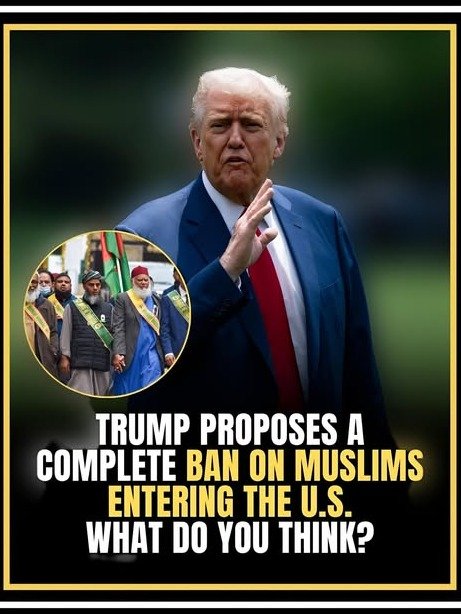
Reports of expanded travel restrictions affecting numerous countries have ignited a fierce global debate. On one side, proponents argue that these measures are an absolute necessity, prioritizing national security above all else. They contend that in an increasingly interconnected yet volatile world, robust border controls are the frontline defense against a myriad of threats.
However, a powerful counter-narrative challenges this stance. Critics argue that such policies often cross into the territory of discrimination, infringe upon fundamental human rights, and can be economically detrimental. They ask: Are we truly safer, or are we simply sacrificing our core values and freedoms in the name of security?
The Unyielding Stance: National Security as the Ultimate Priority
For many governments and their citizens, the concept of national security reigns supreme. In a post-9/11 world, and more recently, in the wake of global pandemics and escalating geopolitical tensions, the idea of open borders can feel inherently risky. Supporters of expanded travel restrictions often point to several critical justifications.
Firstly, the threat of terrorism remains a significant concern. Proponents argue that strict vetting processes and travel bans from certain regions are essential to prevent individuals with malicious intent from entering a country. They see these measures as a proactive shield, safeguarding citizens from potential attacks and maintaining internal stability.
Secondly, public health crises have undeniably reshaped our understanding of border control. The COVID-19 pandemic vividly demonstrated how quickly diseases can spread across continents, leading to widespread illness and economic devastation. Travel restrictions, in this context, are viewed as vital tools for containing outbreaks and protecting national healthcare systems from being overwhelmed.
Furthermore, some argue that controlling who enters a country is a fundamental aspect of national sovereignty. Every nation has the right to determine its own immigration policies, and travel restrictions are simply an extension of this inherent authority. This perspective often emphasizes the need to manage resources, maintain cultural cohesion, and ensure the rule of law within a nation’s borders.
The Counter-Argument: Human Rights, Economic Impact, and “Political Correctness”
While the national security argument holds considerable weight, it faces equally fervent opposition. Critics of expanded travel restrictions often highlight the profound human cost and the potential for these policies to be driven by fear rather than evidence.
One of the most potent arguments against broad travel bans is their potential for discrimination. When restrictions target specific nationalities, ethnicities, or religious groups, they can be perceived as xenophobic and unjust. This not only harms the individuals directly affected but also damages a nation’s reputation on the global stage and can foster resentment.
The impact on human rights is another critical concern. Families can be separated, students prevented from pursuing education, and refugees denied safe haven. Critics argue that these restrictions can violate international conventions on human rights and undermine the principle of treating all individuals with dignity, regardless of their origin.
Economically, travel restrictions can be devastating. Tourism, international business, and educational exchanges are vital components of the global economy. When borders tighten, these sectors suffer immensely, leading to job losses, reduced investment, and a significant dent in national GDPs. The loss of skilled workers and academic talent due to restrictive policies can also stifle innovation and growth.
“True security is not found in building walls, but in building bridges of understanding and cooperation.” – Anonymous Activist
Moreover, the term “political correctness” often emerges in this debate. Critics of restrictions are sometimes accused by proponents of prioritizing sensitivity over safety. However, those on the other side argue that what is labeled “political correctness” is, in fact, a commitment to fundamental ethical principles and a recognition of the interconnectedness of humanity. They believe that true security comes from fostering international goodwill, not from isolating nations.
Navigating the Dilemma: Security vs. Liberty
The core of this heated debate lies in a fundamental tension: how do societies balance the imperative of national security with the preservation of individual liberties and international cooperation? It’s a complex tightrope walk with no easy answers, and the consequences of missteps can be profound.
- Targeted vs. Broad Restrictions: Is it more effective and ethical to implement highly targeted restrictions based on specific intelligence, or do broad bans provide a necessary blanket of safety?
- Evidence-Based Policy: To what extent are these policies based on concrete data and intelligence, versus being driven by political rhetoric or public fear?
- Long-Term Consequences: What are the long-term societal and diplomatic costs of a nation becoming increasingly insular due to travel restrictions?
The debate often highlights a significant disconnect between perceived threats and actual risks. While fear is a powerful motivator, effective policy-making requires a clear-eyed assessment of threats, coupled with an understanding of the broader implications of any proposed solution. The challenge lies in developing security measures that are both effective and proportionate, avoiding unintended harm.
The Real-World Impact on Individuals and Global Relations
Beyond the philosophical arguments, expanded travel restrictions have tangible, often heartbreaking, impacts on real people. Students lose scholarships, families miss funerals, and critical medical research collaborations are stalled. The human stories behind the headlines are a powerful reminder of the stakes involved.
For businesses, restrictions can mean disrupted supply chains, inability to meet clients, and a struggle to attract international talent. This not only harms individual companies but can also weaken a nation’s competitive edge in the global marketplace. The perception of a country as unwelcoming can deter investment and tourism for years to come.
On the international stage, such policies can strain diplomatic relations. Allies may feel slighted, and adversaries may exploit divisions. The long-term impact on a nation’s soft power – its ability to influence through attraction rather than coercion – can be severely diminished. Trust, once broken, is incredibly difficult to rebuild.
Finding a Path Forward: Towards a More Nuanced Approach
As the debate rages, many are seeking a more balanced and nuanced approach. This involves moving beyond the simplistic dichotomy of “national security versus political correctness” and embracing strategies that are both effective and humane.
One potential path involves investing more heavily in intelligence gathering and risk assessment, allowing for highly targeted and individualized security measures rather than broad, sweeping bans. This approach aims to minimize collateral damage while still addressing genuine threats.
Another crucial element is robust international cooperation. Addressing global threats like terrorism, pandemics, and organized crime requires a coordinated effort, not isolated national policies. Sharing information, developing common standards, and fostering mutual trust can create a more secure world for everyone.
Finally, open dialogue and transparency are essential. Governments must clearly articulate the rationale behind their policies, provide evidence of their effectiveness, and be open to public scrutiny and debate. Only through informed discussion can societies navigate the complex landscape of security, freedom, and global responsibility.
The Unfolding Story: What Does the Future Hold?
The expansion of travel restrictions is not merely a policy decision; it’s a reflection of deeper anxieties and evolving global dynamics. It forces us to confront fundamental questions about national identity, our place in the world, and the values we hold most dear.
Will nations continue to prioritize perceived security above all else, potentially at the cost of openness and human connection? Or will a more balanced approach emerge, one that recognizes the interconnectedness of our world and seeks solutions that protect both borders and fundamental freedoms?
The debate is far from over, and its outcome will undoubtedly shape the future of global travel, international relations, and perhaps, the very essence of what it means to be a global citizen. Your engagement in this critical discussion is more important than ever.
About the Author




