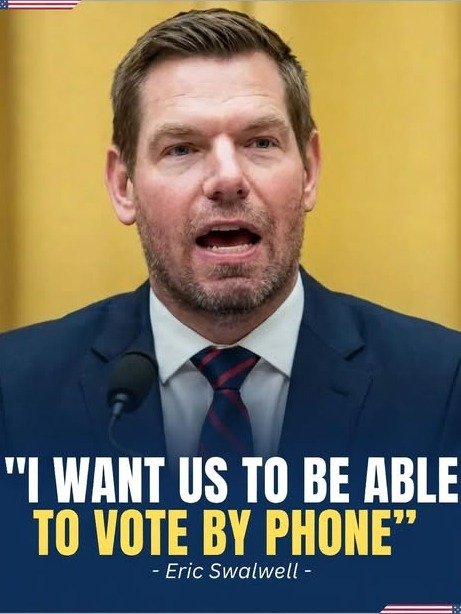
Imagine casting your ballot for the next presidential election with just a few taps on your smartphone, all from the comfort of your own home or while on the go. This isn’t a scene from a futuristic movie; it’s the bold vision put forth by Representative Eric Swalwell on April 6, 2026, a proposal that has ignited a fervent national debate about the very future of American democracy.
Swalwell’s idea centers on fundamentally modernizing the U.S. voting system, moving beyond traditional polling places and mail-in ballots to embrace the ubiquitous technology in our pockets. The proposition is simple yet revolutionary: enable citizens to vote securely using their mobile phones. But while the promise of convenience and increased participation is alluring, the challenges—particularly around security and equity—are monumental.
The Vision for a Modernized Ballot Box
Representative Swalwell’s proposal stems from a desire to address persistent issues plaguing American elections, primarily low voter turnout and accessibility barriers. In an era where banking, shopping, and even healthcare are increasingly managed through mobile devices, the argument for bringing voting into the digital age feels, to many, like a natural progression.
The core idea is to leverage technology to make voting as effortless and inclusive as possible. Proponents suggest that phone-based voting could dramatically simplify the process for millions, potentially engaging demographics that historically face obstacles, such as young people, military personnel serving abroad, individuals with disabilities, and those with demanding work schedules.
Unpacking the Potential Benefits: Convenience and Engagement
One of the most compelling arguments for phone-based voting is its potential to significantly boost voter turnout. Long lines at polling stations, the hassle of obtaining and returning absentee ballots, and the simple act of remembering to vote on a specific Tuesday can all deter participation. A smartphone-based system could remove many of these logistical hurdles.
- Increased Accessibility: For individuals with physical disabilities, the elderly, or those in remote areas, phone voting could eliminate the need to travel to a polling place, making their democratic right far easier to exercise.
- Engaging Younger Voters: Millennials and Gen Z, who are digital natives, might find a phone-based system more intuitive and appealing, potentially reversing trends of lower engagement among younger demographics.
- Military and Overseas Voters: Currently, military personnel and citizens living abroad often face complex and time-sensitive processes to cast their ballots. Phone voting could offer a streamlined, efficient solution, ensuring their voices are heard regardless of their location.
- Enhanced Convenience: The sheer ease of voting from anywhere at any time within a designated window could make participation a simple, integrated part of daily life, rather than a special event requiring specific planning.
The vision is clear: a voting system that is not only secure but also seamlessly integrated into modern life, reflecting the technological advancements that have reshaped almost every other sector.
The Elephant in the Room: Security and Integrity Concerns
While the benefits are attractive, the most significant hurdle—and the primary source of public and expert skepticism—revolves around the unshakeable need for ironclad security and the integrity of the vote. The very idea of casting a ballot on a device prone to hacking, malware, and data breaches sends shivers down the spines of cybersecurity experts and election officials alike.
About the Author




