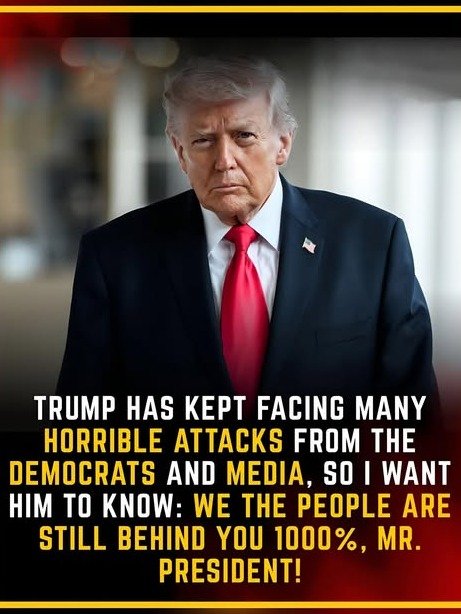
Love him or loathe him, there’s no denying Donald Trump’s colossal and enduring impact on the modern political landscape. His presence alone seems to act as a powerful magnet, drawing in fervent supporters on one side and fierce critics on the other, creating a chasm that defines much of today’s political discourse.
This phenomenon isn’t just about policy or party lines; it delves much deeper into the very fabric of American identity, values, and trust in institutions. It’s a political earthquake that continues to send tremors through society, leaving many to wonder if the divide can ever truly be bridged.
The Unyielding Core of Support
Despite years out of office and facing numerous legal challenges, Donald Trump’s base remains remarkably steadfast. For millions of Americans, his appeal hasn’t waned; if anything, it has solidified. This unwavering loyalty stems from a complex mix of factors that resonate deeply with a significant portion of the electorate.
Many supporters see Trump as an authentic voice, a refreshing departure from what they perceive as the calculated, polished, and often disingenuous rhetoric of traditional politicians. His willingness to speak directly, even controversially, is viewed not as a flaw but as a sign of honesty and a refusal to be constrained by political correctness.
- Anti-Establishment Hero: He masterfully tapped into a deep-seated frustration with the political establishment, both Democratic and Republican. Supporters believe he genuinely fights against a “swamp” that has failed ordinary Americans.
- Economic Promises Kept (Perceived): During his presidency, many point to a strong economy, deregulation, and tax cuts as tangible benefits that improved their lives or the lives of those around them.
- “America First” Agenda: His nationalist stance on trade, immigration, and foreign policy resonated with those who felt globalism had left American workers behind and that national sovereignty was being eroded.
- Media Distrust: Trump’s constant criticism of mainstream media outlets as “fake news” echoed a sentiment already held by many conservatives, reinforcing their belief that he was being unfairly targeted.
The Pillars of Criticism
On the flip side, the chorus of criticism against Donald Trump is equally robust and passionate. For his detractors, his presidency and continued political activity represent a profound threat to democratic norms, civility, and the very values they believe America stands for. Their opposition is not merely political disagreement but often a moral imperative.
Critics frequently point to his rhetoric, which they argue is divisive, inflammatory, and often hateful. They contend that his language has normalized disrespect, encouraged extremism, and deepened societal fractures. The impact of his words, they believe, extends beyond policy debates, affecting the tone of public life itself.
“The former president’s actions and statements have repeatedly challenged the foundational principles of our democracy, from the peaceful transfer of power to the rule of law. This is not about left or right; it’s about the very future of our republic,” stated one prominent political analyst.
Policy and Character: A Deep Divide
Beyond rhetoric, specific policy decisions and aspects of his personal character fuel much of the opposition. From immigration policies that separated families at the border to his handling of the COVID-19 pandemic, critics found ample grounds for strong disagreement and condemnation.
Furthermore, concerns about his temperament, his perceived disregard for institutions, and allegations of ethical breaches have consistently been central to the arguments of his opponents. They view these issues not as minor missteps but as fundamental flaws that disqualify him from leadership.
- Democratic Norms: Critics argue that Trump undermined democratic institutions, challenged election results without credible evidence, and attacked the independence of the judiciary and the press.
- Social and Cultural Issues: His stances on issues like abortion, LGBTQ+ rights, and racial justice often put him at odds with progressive values and galvanized significant opposition from these communities.
- International Standing: Many believe his “America First” approach alienated traditional allies and diminished the country’s standing on the global stage.
Understanding the Roots of Polarization
The intensity of both support and criticism for Donald Trump is not merely a reflection of his unique personality; it’s also a symptom of deeper, pre-existing fault lines within American society. Decades of economic shifts, cultural wars, and increasing ideological sorting have created fertile ground for a figure like Trump to emerge and thrive.
The rise of social media and the fragmentation of traditional news sources have also played a crucial role. People are increasingly living in echo chambers, consuming information that reinforces their existing beliefs, making it harder to find common ground or even agree on basic facts. This tribalism is supercharged when a figure as polarizing as Trump is at the center.
The Role of Identity and Values
For many, supporting or opposing Trump has become an integral part of their personal identity. It’s not just about political affiliation; it’s about what they believe America should be, what values they hold dear, and how they perceive their place in a rapidly changing world. This makes the debate around him incredibly personal and emotionally charged.
When criticism of Trump is perceived as an attack on his supporters, it often strengthens their resolve, reinforcing their sense of being misunderstood or marginalized. Similarly, when his actions are defended, opponents often see it as an endorsement of behaviors they find unacceptable, deepening their alarm.
The Enduring Impact on American Politics
Regardless of future election outcomes, Donald Trump’s impact on the Republican Party and American politics as a whole is undeniable and likely irreversible. He has fundamentally reshaped the GOP, shifting its focus from traditional conservative principles towards a more populist, nationalist agenda.
His influence has also forced the Democratic Party to re-evaluate its strategies and messaging, often leading to a more unified opposition. The political landscape he leaves behind is one of heightened engagement, intense partisanship, and a constant struggle for the nation’s direction.
Looking Ahead: A Divided Nation’s Future
The deep divisions exacerbated by Donald Trump’s presence continue to pose significant challenges for the United States. Healing these rifts will require more than just a change in leadership; it demands a concerted effort to foster dialogue, rebuild trust in institutions, and find common ground on critical issues.
The ongoing saga of Donald Trump is more than just a political story; it’s a profound reflection of a nation grappling with its identity, its future, and the very meaning of unity in an increasingly complex world. The debates he ignites are not just about him, but about the soul of America itself, and they are far from over.
About the Author




