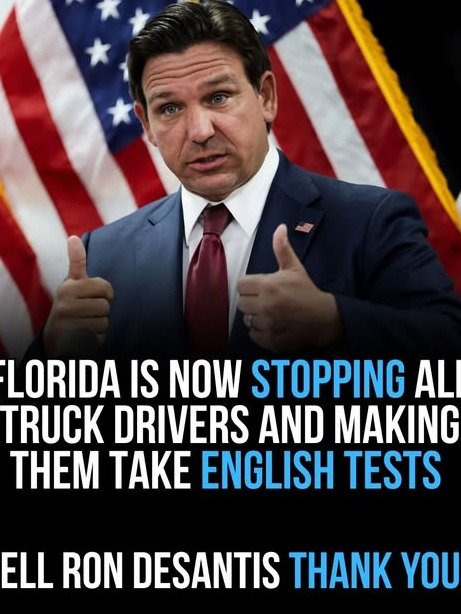
Imagine a world where every journey is smooth, predictable, and safe. A fantasy? Perhaps. But the reality on our roads today is far from it, and it’s costing us more than just time. We all crave safe roads and drivers who truly understand what it means to operate a vehicle responsibly, yet it often feels like this basic expectation is a distant dream.
It’s a sentiment many of us share: the deep desire for a driving experience free from reckless maneuvers, distracted behaviors, and outright disrespect for traffic laws. This isn’t about demanding perfection; it’s about advocating for fundamental safety and competency. What if everyone truly embraced their role in keeping our shared roadways secure?
The Alarming Reality: Why Roads Aren’t Safe
The statistics are stark and often overlooked. Every year, millions of accidents occur globally, resulting in countless injuries and tragic fatalities. These aren’t just numbers; they represent shattered lives, devastated families, and immense economic burdens on communities. From minor fender-benders to catastrophic collisions, the ripple effects are profound, impacting healthcare systems, insurance premiums, and our collective sense of security.
We might point fingers at infrastructure, vehicle defects, or even adverse weather conditions, and while these factors certainly play a role, a significant portion of road incidents can be traced back to one critical element: human behavior. The choices made behind the wheel, or even as pedestrians and cyclists, dictate the safety of our journeys more than anything else.
The Human Element: Driver Behavior at the Core
At the heart of road safety lies the driver. Each time we get behind the wheel, we accept a profound responsibility not just for our own lives, but for every other road user around us. This responsibility extends beyond merely knowing the rules; it encompasses an attitude of vigilance, respect, and a proactive approach to potential hazards.
Unfortunately, this core understanding seems to be eroding. A combination of factors, from increasing daily stresses to the pervasive influence of technology, has led to a noticeable decline in attentive and courteous driving. The road, once a place for focused transit, has become an extension of our busy, often distracted lives.
Distracted Driving: A Silent Epidemic
Perhaps the most insidious threat on our roads today is distracted driving. It’s not just about texting; it’s about anything that takes your hands off the wheel, your eyes off the road, or your mind off driving. Eating, adjusting the radio, engaging with passengers, using navigation systems, or even just daydreaming can divert crucial attention away from the task at hand.
“In a split second, a simple glance at a phone can transform a routine commute into a life-altering tragedy. The consequences of distraction are immediate and unforgiving.”
The human brain is simply not wired to multitask effectively when it comes to complex activities like driving. Even a few seconds of inattention at highway speeds means covering the length of a football field blindfolded. This silent epidemic is contributing to a significant percentage of accidents, yet many drivers still underestimate its danger.
Impaired Driving: A Reckless Choice
While often discussed, the gravity of impaired driving cannot be overstated. Driving under the influence of alcohol or drugs, whether illicit or prescription medications that affect judgment, is a conscious decision with potentially devastating outcomes. It slows reaction times, impairs coordination, distorts perception, and diminishes the ability to make sound decisions.
Beyond substances, fatigue also falls under the umbrella of impaired driving. Drowsy driving can be as dangerous as drunk driving, severely impacting alertness and judgment. Recognizing the signs of fatigue and prioritizing rest before driving long distances is a critical component of responsible road use.
Aggressive Driving & Road Rage: The Unseen Dangers
The rise of aggressive driving and road rage behaviors adds another layer of danger to our daily commutes. This spectrum of behaviors includes speeding, tailgating, weaving through traffic, running red lights, and gesturing angrily at other drivers. These actions not only put the aggressor at risk but create a highly volatile and unpredictable environment for everyone else.
- Speeding: Reduces reaction time and increases stopping distance.
- Tailgating: Eliminates crucial space needed for emergency braking.
- Erratic Lane Changes: Creates sudden hazards and forces other drivers to react defensively.
- Disregard for Signals: Directly leads to intersection collisions.
Road rage, the extreme end of aggressive driving, can escalate into dangerous confrontations, sometimes with tragic results. Maintaining composure and avoiding engagement with aggressive drivers is paramount for personal safety and de-escalating potentially volatile situations.
Beyond the Driver: Vehicle and Environment Factors
While driver behavior is central, other factors also contribute to road safety. Regular vehicle maintenance is crucial. Properly functioning brakes, tires with adequate tread, working lights, and clear windshields are not luxuries; they are fundamental safety requirements. Neglecting these can turn a minor issue into a major hazard.
Environmental conditions also demand our respect and adaptation. Rain, snow, ice, fog, and even strong winds can dramatically alter driving dynamics. Skilled drivers know to adjust their speed, increase following distance, and exercise extra caution when conditions are less than ideal. Similarly, well-maintained roads and clear signage are vital for safe navigation.
The Role of Education and Enforcement
Achieving safer roads requires a multi-faceted approach, and robust driver education is a cornerstone. Beyond initial licensing, ongoing education about new technologies, changing traffic patterns, and the evolving challenges of modern driving is essential. Refresher courses and defensive driving programs can significantly enhance skills and awareness.
Equally important is consistent and fair enforcement of traffic laws. When rules are clearly communicated and violations are met with appropriate consequences, it reinforces the importance of compliance. This isn’t about punitive measures alone, but about creating a culture where adherence to safety regulations is expected and upheld by all.
Becoming a Proactive Driver: Your Part in the Solution
So, what can *you* do to contribute to safer roads? It starts with personal commitment. Embrace defensive driving techniques, always anticipating potential hazards and being prepared to react. Plan your journeys, allow ample time, and avoid rushing. A calm, focused mindset is your best defense against accidents.
- Eliminate Distractions: Put your phone away, set navigation before you start, and limit non-driving activities.
- Maintain Focus: Stay alert, scan the road ahead, and check mirrors frequently.
- Respect Laws: Adhere to speed limits, traffic signals, and road signs.
- Be Courteous: Give way when appropriate, use turn signals, and avoid aggressive behaviors.
- Regular Vehicle Checks: Ensure your car is in optimal condition.
Remember, every decision you make behind the wheel has consequences, not just for you, but for everyone else sharing the road. Be the change you wish to see in traffic.
The Ripple Effect: Community and Shared Responsibility
Road safety isn’t solely an individual responsibility; it’s a collective one. Our actions influence those around us, from the example we set for young drivers to the way we interact with pedestrians and cyclists. Promoting a culture of road safety involves everyone – drivers, passengers, educators, law enforcement, and policymakers.
Advocating for better infrastructure, supporting stricter enforcement of impaired driving laws, and participating in community safety initiatives are all ways to contribute. When we collectively prioritize safety, we create an environment where everyone feels more secure, and the roads become truly shared spaces rather than battlegrounds.
A Call to Action for Safer Roads
The desire for safe roads and competent drivers is not an unreasonable demand; it’s a fundamental right. It’s time we all stopped wishing for others to abide by the rules and started leading by example. Let’s make every journey a testament to responsibility, respect, and vigilance.
By consciously choosing to be better, more attentive, and more patient drivers, we can dramatically reduce the risks and transform our roads into the safe, predictable spaces we all deserve. Your commitment today can prevent a tragedy tomorrow. Isn’t that a rule worth living by?
About the Author




