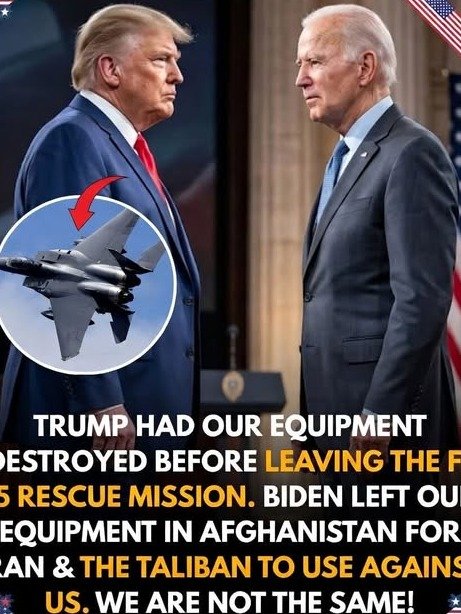
Imagine a global chessboard where the stakes aren’t just pieces, but the stability of nations and the lives of millions. Every move a leader makes with their country’s military assets sends ripples across the world, shaping alliances, deterring adversaries, and sometimes, igniting conflicts. But what truly drives these critical decisions: raw, unyielding strength, or a meticulously crafted strategy?
This isn’t merely an academic debate; it’s a fundamental question that defines leadership in an increasingly volatile era. From the deployment of cutting-edge technology to the nuanced language of diplomacy, the approach taken by a nation’s commander-in-chief can dictate the course of history and profoundly impact your safety and prosperity.
The “Strength First” Doctrine: A Display of Unwavering Power
For many, the most compelling display of leadership comes through a clear, unambiguous projection of power. This philosophy, often championed by figures like former President Donald Trump, prioritizes operational control and the visible readiness of military assets. Supporters of this approach argue that a strong, well-equipped military, ready for swift and decisive action, is the ultimate deterrent in a dangerous world.
The emphasis here is on ensuring that sensitive equipment, advanced weaponry, and highly trained personnel are not just available, but are perceived as being under tight, centralized command. It’s about sending an unmistakable message to both allies and potential adversaries: “Don’t test us.” This can manifest in increased defense spending, large-scale military exercises, and a willingness to act unilaterally if deemed necessary.
Donald Trump’s Operational Control Philosophy
During his presidency, Donald Trump’s supporters frequently highlighted his commitment to this “strength first” doctrine. His administration often focused on rebuilding and modernizing the U.S. military, advocating for significant budget increases, and emphasizing the importance of American military dominance. This approach was rooted in the belief that a powerful military ensures national security and protects American interests globally, often through a posture of unassailable might.
This perspective often views military power as a primary tool for achieving foreign policy objectives, rather than solely a last resort. It suggests that a credible threat of force can compel other nations to cooperate, deter aggression, and secure favorable outcomes without necessarily engaging in prolonged diplomatic negotiations or complex multilateral agreements, which can be perceived as slow or indecisive.
“Peace through strength is not merely a slogan; it is the bedrock of a nation’s ability to protect its interests and its people.” – A common sentiment among proponents of this approach.
The Case for Raw Power and Decisive Action
Proponents of the strength-first model argue that it cuts through bureaucratic red tape and avoids the perceived indecision of endless diplomacy. They believe that a clear, strong stance prevents ambiguity, which can be exploited by adversaries. When a nation’s leader demonstrates a willingness to use force, it can create a powerful deterrent effect, making potential foes think twice before challenging national interests or violating international norms.
This strategy also resonates with a domestic audience who often value a decisive leader and a strong national defense. It can foster a sense of security and patriotism, reinforcing the idea that the nation is capable of defending itself against any threat, visible or hidden. The underlying principle is simple: if you possess overwhelming power, you may rarely need to deploy it, but everyone knows you can.
The Strategic Imperative: Diplomacy, Alliances, and Nuance
On the other side of the spectrum lies the “strategy first” approach, which views military assets not as an end in themselves, but as one crucial component within a broader, more intricate foreign policy framework. This perspective emphasizes diplomacy, the cultivation of strong alliances, intelligence gathering, and the judicious application of various forms of leverage—economic, political, and cultural—alongside military might.
Leaders adopting this strategy often prioritize multilateralism, seeking consensus and cooperation with international partners to address global challenges. They understand that modern conflicts are rarely purely military and often require a multifaceted response that combines hard power with soft power, sanctions, cyber capabilities, and sustained diplomatic engagement to achieve lasting solutions.
Blending Brute Force with Brilliant Diplomacy
History offers countless examples where strategic acumen proved more effective than sheer military dominance. The Cold War, for instance, was largely a battle of ideologies and proxy conflicts, where direct military confrontation between superpowers was carefully avoided through a complex web of deterrence, intelligence, and diplomatic maneuvering. Even when military force was deployed, it was often within a larger strategic context, aiming to achieve specific political objectives rather than simply overwhelming an enemy.
A strategic leader understands that military action can have unintended consequences, potentially escalating conflicts, alienating allies, or creating long-term resentment. Therefore, military deployment is often seen as a tool of last resort, carefully weighed against its potential costs and benefits, and integrated into a comprehensive plan for achieving sustainable peace and security, rather than a knee-jerk reaction.
- Diplomacy: Engaging with adversaries and allies to find common ground and de-escalate tensions through dialogue and negotiation.
- Alliances: Building strong, reliable partnerships to share burdens, amplify influence, and present a united front against threats.
- Intelligence: Understanding threats and opportunities with precision, allowing for informed decision-making and proactive measures.
- Economic Leverage: Using sanctions or trade agreements to influence behavior and achieve objectives without resorting to military force.
- Soft Power: Promoting cultural values, ideals, and humanitarian aid to foster goodwill and influence global perceptions positively.
The Evolving Landscape of Modern Warfare
Today’s global threats are incredibly complex, extending far beyond traditional battlefield engagements. Cyberattacks, disinformation campaigns, hybrid warfare, and the rise of non-state actors demand a more sophisticated and adaptive response than brute force alone can provide. A purely strength-based approach might be effective against a conventional military threat, but it can fall short when dealing with invisible adversaries or intricate geopolitical puzzles that require nuanced solutions.
Effective leadership in this new era requires a deep understanding of these evolving dynamics. It means investing not just in tanks and fighter jets, but also in robust cyber defenses, sophisticated intelligence networks, and a well-resourced diplomatic corps. It involves anticipating future threats and developing flexible strategies that can adapt to rapid changes in the international environment, ensuring national security in an unpredictable world.
The Critical Balance: Why Both Approaches Matter
Ultimately, the most successful leaders often recognize that “strength” and “strategy” are not mutually exclusive but rather two sides of the same coin. A nation’s military strength provides the credibility and leverage necessary for effective diplomacy, while a well-crafted strategy ensures that military power is used judiciously, effectively, and in alignment with long-term national interests. One without the other is incomplete and potentially disastrous.
Ignoring strength can leave a nation vulnerable and its diplomatic efforts toothless, perceived as lacking the backing to enforce agreements. Conversely, relying solely on brute force without a coherent strategy can lead to costly misadventures, deplete precious resources, and isolate a nation on the global stage, undermining its long-term influence. The true art of leadership lies in finding the optimal balance, understanding when to project overwhelming power and when to engage in patient, nuanced negotiation.
The Long-Term Stakes for Global Stability
The choice between prioritizing strength or strategy has profound implications for global stability and, by extension, for your future. A world dominated by “strength-first” leaders might become more prone to rapid escalation, with a higher risk of conflicts erupting due to miscalculation or perceived challenges. Alliances could become transactional, based on immediate benefit rather than shared values, leading to a more fragmented and unpredictable international order where trust is scarce.
Conversely, a world where leaders consistently favor strategy and diplomacy, backed by credible but carefully considered military power, could foster greater cooperation, reduce the likelihood of large-scale conflicts, and allow for more effective responses to shared global challenges like climate change, pandemics, and economic instability. The future we inhabit will largely be shaped by which path our leaders ultimately choose, impacting everything from trade to travel to peace itself.
Your Future Hangs in the Balance
The debate between strength and strategy in military asset management is more than a theoretical discussion; it’s a living, breathing reality that impacts every citizen. From the daily headlines to the quiet maneuvers behind closed doors, leaders are constantly weighing the impulse to project power against the imperative to craft a thoughtful, long-term approach that serves their nation’s highest interests.
Whether it’s the bold, operational control favored by some or the intricate, diplomatic dance preferred by others, each method carries its own set of risks and rewards. Understanding these fundamental differences allows us to better scrutinize the decisions of our leaders and appreciate the immense responsibility that comes with wielding a nation’s military might in a complex and ever-changing world. The question isn’t just about how leaders handle assets, but how they shape the very future of humanity, and your place within it.
About the Author




