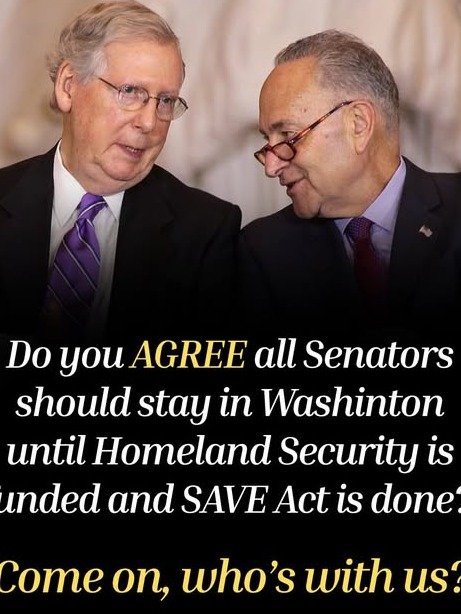
Imagine a scenario where the very agencies tasked with securing our borders, protecting our airports, and responding to national disasters are operating on borrowed time, or worse, without full funding. That isn’t a hypothetical crisis; it’s the stark reality currently unfolding in Washington D.C. as a critical standoff over Department of Homeland Security (DHS) funding drags on.
This isn’t just another political squabble. The Department of Homeland Security is the bedrock of our nation’s safety, touching nearly every aspect of American life, often in ways we don’t even realize. As the days tick by without a resolution, the pressure on lawmakers to remain in session until a deal is struck is escalating, driven by the profound implications for national security and public safety.
What’s At Stake? Understanding the DHS Mission
Many people associate DHS primarily with border control, but its mandate is incredibly broad and vital. Established in the wake of 9/11, DHS unified 22 federal agencies into one formidable department dedicated to protecting the American homeland. Its responsibilities span everything from anti-terrorism efforts to disaster response, cybersecurity, and safeguarding critical infrastructure.
Think about the sheer scope: the Transportation Security Administration (TSA) ensuring your safety at airports, Customs and Border Protection (CBP) guarding our extensive borders, the Federal Emergency Management Agency (FEMA) responding to hurricanes and wildfires, and the Cybersecurity and Infrastructure Security Agency (CISA) protecting against digital threats. These are just a few of the critical components whose operations hang in the balance.
The Anatomy of a Funding Standoff
Government funding standoffs are unfortunately not new to Washington. They typically arise when Congress and the White House fail to agree on spending bills by a mandated deadline. While temporary continuing resolutions often kick the can down the road, a long-term impasse can lead to a full or partial government shutdown, or, as in this case, a critical agency operating without a stable budget.
The current deadlock over DHS funding is particularly contentious, primarily fueled by deep partisan divisions over immigration policy and border security. One side demands stricter enforcement, more resources for border agents, and specific policy changes, while the other pushes for different approaches to immigration reform and expresses concerns over certain enforcement practices.
The Growing Call to ‘Stay Until It’s Done’
As negotiations falter and deadlines loom, a powerful sentiment has emerged: lawmakers must ‘stay until it’s done.’ This isn’t merely a catchy phrase; it’s a strategic demand from various factions, including some within Congress, advocacy groups, and the public, urging elected officials to forgo recesses and remain at the negotiating table until a comprehensive funding deal is reached.
The rationale behind this call is simple: remove the comfort of returning home or engaging in other political activities. By forcing lawmakers to remain in Washington, the hope is to intensify the pressure, accelerate negotiations, and ultimately compel a bipartisan compromise. The stakes, many argue, are too high for anything less than undivided attention and swift resolution.
The Alarming Consequences of Prolonged Uncertainty
A funding lapse or even prolonged uncertainty for DHS has far-reaching and potentially devastating consequences that extend beyond political headlines. These impacts directly affect the safety and security of every American.
- Border Security Compromised: Without stable funding, Customs and Border Protection (CBP) operations could be severely hampered. This might mean fewer agents, reduced surveillance, and a potential increase in illegal crossings or illicit trade, making our borders more vulnerable at a time when threats are constant.
- Airport Safety at Risk: TSA agents, who are often among the lowest-paid federal employees, could be forced to work without pay or face furloughs. This would lead to significant staffing shortages, longer security lines, and a potential decrease in the efficacy of airport screening, creating immense security vulnerabilities for air travel.
- Disaster Response Weakened: FEMA’s ability to prepare for and respond to natural disasters—like hurricanes, floods, and wildfires—could be critically undermined. Essential programs, aid distribution, and long-term recovery efforts might be delayed or halted, leaving communities exposed and struggling in their most vulnerable moments.
- Cybersecurity Threats Amplified: The Cybersecurity and Infrastructure Security Agency (CISA) plays a crucial role in protecting our nation’s digital infrastructure, from power grids to financial systems. A funding shortfall could disrupt their ability to monitor threats, issue warnings, and coordinate responses, leaving us more susceptible to sophisticated cyberattacks.
- Coast Guard Operations Hampered: The U.S. Coast Guard, a branch of the military that falls under DHS during peacetime, performs vital missions including search and rescue, drug interdiction, and maritime environmental protection. Funding issues could impact their readiness, patrols, and ability to respond to emergencies at sea.
- Impact on Federal Employees: Thousands of dedicated DHS employees, many of whom are essential personnel, would face the daunting prospect of working without pay or being furloughed. This financial strain not only affects their families but also severely damages morale and could lead to a ‘brain drain’ of experienced professionals from critical national security roles.
Historical Precedent and Modern Stakes
While government shutdowns have occurred before, the context of today’s global landscape makes the current DHS funding standoff particularly perilous. We face evolving threats from international terrorism, increasingly sophisticated cyber warfare, and complex geopolitical challenges that demand a fully operational and well-funded Department of Homeland Security.
“National security is not a partisan issue. It is a fundamental responsibility of our government, and allowing critical agencies to operate in uncertainty is a dangerous gamble with the safety of our citizens,” a former homeland security official recently commented. This sentiment echoes across the spectrum of security experts who understand the intricate web of protection DHS provides.
The Elusive Path to Resolution
Finding a path forward requires significant compromise from both sides. This often involves intricate negotiations over spending levels, policy riders related to immigration enforcement, and broader budgetary agreements. The challenge lies in bridging deeply entrenched ideological divides, where even minor concessions can be seen as political capitulation.
Lawmakers are grappling with the pressure to satisfy their respective bases while also fulfilling their constitutional duty to govern. The ‘stay until it’s done’ mandate aims to remove the luxury of time, forcing them to confront the urgency of their task without the escape of a legislative break. It’s a test of political will and a direct challenge to the often-gridlocked nature of Washington.
Public Pressure and Accountability
The American public plays a crucial role in these standoffs. Growing public awareness and concern about the real-world implications of a DHS funding crisis can significantly influence lawmakers. Citizens, businesses, and affected communities are increasingly vocal, demanding accountability and a swift resolution from their elected representatives.
The question isn’t just about who wins the political battle, but who bears the cost of inaction. When national security and public safety are on the line, the cost is borne by everyone. The call for lawmakers to remain in session until a deal is reached is a powerful reminder that the work of government, especially concerning security, cannot simply be put on hold.
A Call for Urgent Action
The ongoing DHS funding standoff is more than just political theater; it’s a critical threat to our nation’s security and stability. From the front lines of border protection to the digital battlegrounds of cyberspace and the immediate aftermath of natural disasters, the Department of Homeland Security stands as our first line of defense.
The growing demand for lawmakers to ‘stay until it’s done’ reflects a deep understanding of the gravity of the situation. It’s a plea for responsibility, a call for compromise, and an urgent reminder that the safety of the American people should always transcend partisan politics. The time for a resolution is now, before the unseen threats become all too visible.
About the Author




