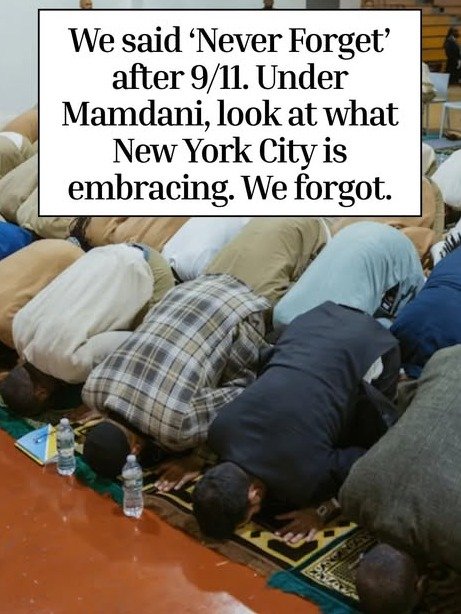
Can you truly ‘never forget’ something that continues to evolve, shift, and spark heated debate almost 25 years later? As the quarter-century mark approaches since the devastating attacks of September 11, 2001, the echoes of that fateful day reverberate through American society in ways many might not realize. Far from a settled memory, 9/11 remains a living, breathing force, constantly reshaping our national identity, challenging our notions of security, and redefining how we choose to remember.
The events of 9/11 weren’t just a moment in history; they were a catastrophic pivot point, forever altering the trajectory of a nation. Yet, the consensus forged in the immediate aftermath has fractured over time, giving way to complex, often contentious conversations. From the smallest town halls to the highest echelons of government, the legacy of that day continues to fuel political discourse, influencing everything from foreign policy to civil liberties.
The Shifting Sands of National Identity
In the immediate wake of 9/11, a profound, almost visceral sense of national unity swept across the United States. Flags flew everywhere, patriotism surged, and for a fleeting period, partisan divides seemed to melt away in shared grief and resilience. Americans, regardless of background, felt connected by a common tragedy and a renewed sense of purpose. This initial solidarity was powerful, a testament to the nation’s capacity for collective strength in the face of unimaginable horror.
However, as the years turned into decades, this initial unity began to fray. The ‘us vs. them’ mentality, initially directed outwards, often turned inwards. Debates around immigration intensified, with heightened scrutiny and suspicion cast upon certain communities. The very definition of ‘American’ became a subject of renewed contention, sometimes leading to xenophobia and division rather than inclusion.
The concept of national identity, once seemingly straightforward, grew more complex. Were we a nation defined by our resilience, our diversity, or our vigilance against external threats? This internal questioning continues today, influencing how we perceive ourselves on the global stage and how we interact within our own borders. The post-9/11 era forced a re-evaluation of what it truly means to be an American, a conversation that is far from over.
Security: The Endless Trade-off Between Safety and Freedom
The attacks on 9/11 fundamentally reshaped America’s approach to national security. In response to the unprecedented threat, a sweeping overhaul of intelligence agencies, law enforcement, and border control was initiated. The creation of the Department of Homeland Security, the passage of the Patriot Act, and the dramatic expansion of surveillance capabilities were all direct consequences, aimed at preventing another such catastrophe.
These measures, while intended to safeguard the nation, immediately sparked intense debates about civil liberties. Critics argued that the government’s expanded powers encroached upon individual freedoms, raising concerns about privacy and due process. The balance between collective security and individual rights became, and remains, a central tenet of American political discourse.
“The Patriot Act was a necessary evil, a tool to protect us, but its long-term implications for our freedoms are still being felt and debated today.” – Anonymous legal scholar
Globally, the ‘War on Terror’ launched in Afghanistan and later extended to Iraq, reshaped U.S. foreign policy for decades. It led to immense human and financial costs, and its effectiveness and ethical implications are still fiercely debated. The very definition of ‘terrorism’ and the appropriate response to it continues to evolve, reflecting the ongoing struggle to adapt security strategies to new and emerging threats in a rapidly changing world.
Remembrance: Honoring the Past While Forging the Future
How a nation chooses to remember its darkest days speaks volumes about its values and aspirations. The remembrance of 9/11 has evolved from immediate, raw grief into a more complex, multi-faceted narrative. Memorials like the National September 11 Memorial & Museum in New York City stand as powerful testaments to loss and resilience, drawing millions of visitors each year.
However, remembrance is not monolithic. For those who lived through that day, the memories are vivid and deeply personal. For younger generations, born after 2001, 9/11 is a historical event, learned through textbooks and media. Bridging this generational gap in understanding is a crucial challenge, ensuring that the lessons of the past are not lost or distorted.
- Educating Future Generations: How do we teach the sensitivity and complexity of 9/11 to those who have no firsthand memory?
- Preventing Politicization: How do we ensure remembrance remains a unifying act rather than a partisan tool?
- Honoring All Victims: How do we acknowledge the diverse impacts of 9/11, including those affected by the subsequent wars and policy changes?
The annual anniversaries serve as moments for reflection, but also as opportunities for re-evaluation. Debates arise about the appropriate tone, the focus of commemorative events, and how to balance honoring the victims with understanding the broader geopolitical consequences. The act of remembering 9/11 is not a static ritual, but a dynamic process that continues to shape our collective consciousness.
The Enduring Legacy: How 9/11 Still Shapes Today’s Debates
Nearly a quarter-century later, the shadow of 9/11 stretches across almost every significant political conversation in America. When we discuss immigration policy, the ghost of border security looms large. When we debate surveillance or privacy, the Patriot Act and its successors are never far from mind. When foreign policy or military intervention is on the table, the lessons (or misinterpretations) of the ‘War on Terror’ are invoked.
The attacks instilled a deep-seated anxiety about national vulnerability that continues to influence public sentiment and policy decisions. This underlying current of concern, whether conscious or subconscious, often colors our perspectives on global events, domestic security measures, and even our internal social cohesion.
The national identity that emerged from 9/11, initially unified, has become more complex and often polarized. The security apparatus built in its aftermath has become a permanent fixture, continuously raising questions about its reach and effectiveness. And the act of remembrance itself is a constant negotiation between grief, history, and the imperative to learn from the past without being forever defined by it.
As we approach the 25-year mark, it’s clear that 9/11 is not just a historical event to be recounted, but an ongoing force that continues to shape America’s trajectory. The questions of national identity, security, and remembrance are not settled; they are living debates, constantly evolving and redefining what it means to be a nation forged in the crucible of such profound tragedy. Understanding these ongoing conversations is key to comprehending the America of today, and the one we are building for tomorrow.
About the Author




