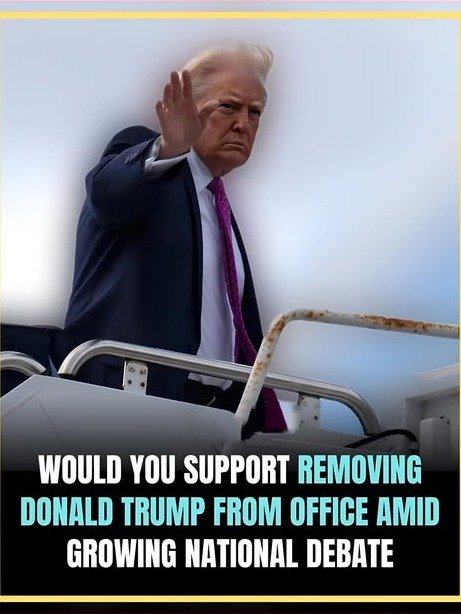
Love him or loathe him, few figures in modern American history have ignited such passionate and widespread debate as Donald Trump. His presidency, and indeed his ongoing influence, have carved a chasm through the nation’s political landscape, forcing every citizen to confront profound questions about leadership, democracy, and the very future of the republic.
This isn’t merely a political discussion; it’s a societal phenomenon. From dinner tables to digital forums, opinions on Trump’s leadership are fiercely held and openly expressed, reflecting a deeply polarized nation grappling with its identity and direction. Understanding this complex conversation requires delving into the core arguments put forth by both his ardent supporters and his vocal critics.
The Heart of the Matter: A Nation Divided
The national dialogue surrounding Donald Trump’s leadership is far from monolithic. Instead, it’s a tapestry woven with threads of economic policy, social values, geopolitical strategy, and personal conduct. Each thread contributes to a narrative that is both polarizing and profoundly impactful, shaping not just political campaigns but everyday interactions.
What makes this conversation so unique is its persistence. Years after his initial election, and even after leaving office, Trump remains a central figure, his actions and words continually re-evaluated and re-litigated. This enduring focus highlights the significant, perhaps indelible, mark he has left on American politics and culture.
Supporter’s Standpoint: The Mandate and the Movement
For millions of Americans, Donald Trump’s leadership embodied a direct response to a perceived political establishment that had lost touch with ordinary citizens. Supporters often point to his election as a powerful affirmation of voter choice, a democratic mandate to disrupt the status quo and put “America First.”
They frequently highlight his economic policies as a cornerstone of his success. Tax cuts, deregulation, and a focus on domestic industries were credited with fostering a period of significant job growth and economic prosperity prior to the global pandemic. Many felt these policies directly benefited working-class Americans and small businesses.
“He spoke directly to the forgotten men and women of this country. He wasn’t a politician; he was a businessman who got things done.” – A common sentiment among supporters.
Furthermore, the “America First” agenda resonated deeply with those who felt the U.S. had been exploited in international trade deals and entangled in endless foreign conflicts. Trump’s approach to trade, border security, and alliances was seen as a necessary recalibration, prioritizing national interests above all else.
Judicial Legacy and Constitutionalism
Another frequently cited achievement by supporters is Trump’s impact on the federal judiciary. His appointments of conservative judges to federal courts, including three Supreme Court justices, were viewed as a fulfillment of campaign promises and a long-term victory for constitutional originalism.
This strategic reshaping of the judiciary was seen as safeguarding traditional values and interpreting the Constitution as originally intended, a critical concern for many conservative voters. For them, these appointments represented a lasting legacy that would influence American law for decades.
A Voice for the Disenfranchised
Beyond policy, Trump’s communication style and willingness to challenge what he termed “fake news” media were powerful draws. Supporters often saw his direct, unfiltered approach as authentic, a refreshing contrast to what they perceived as overly polished and disingenuous politicians.
He was seen as a champion who wasn’t afraid to fight back against perceived unfairness and media bias, articulating the frustrations of a segment of the population that felt ignored or maligned by mainstream institutions. This created a strong sense of loyalty and shared identity among his base.
Critics’ Concerns: A Challenge to Norms
On the other side of the spectrum, critics of Donald Trump’s leadership voiced profound concerns, often focusing on his rhetoric, its impact on democratic institutions, and his approach to governance. Their arguments stem from a different interpretation of American values and the role of the presidency.
A primary point of contention was what many perceived as divisive rhetoric. Critics argued that his language exacerbated social tensions, deepened political polarization, and at times, seemed to undermine the very concept of national unity. They worried about the long-term effects on the social fabric of the country.
Democratic Institutions Under Scrutiny
Many analysts and critics expressed alarm over what they saw as challenges to established democratic norms and institutions. Concerns were raised about the independence of government agencies, the integrity of elections, and the traditional checks and balances designed to limit executive power.
The frequent questioning of established processes and institutions, from the electoral system to the justice department, led to fears that the foundational pillars of American democracy were being eroded. This generated intense debate about the proper boundaries of presidential authority.
Crisis Management and Public Health
Trump’s handling of major crises, particularly the COVID-19 pandemic, drew significant criticism. Opponents highlighted what they viewed as a downplaying of the virus’s severity, inconsistent messaging, and a slow or inadequate federal response, leading to preventable loss of life and economic disruption.
His approach to public health policy, including mask mandates and vaccine promotion, became a highly politicized issue, further dividing the nation during a critical time. This became a central point of attack for those who felt his leadership failed to protect the public effectively.
Foreign Policy Shifts and Alliances
In foreign policy, critics often pointed to what they considered an abandonment of traditional alliances and international agreements. Decisions such as withdrawing from the Paris Climate Accord, the Iran nuclear deal, and questioning NATO’s relevance were seen as weakening America’s global standing and fostering instability.
They argued that a transactional approach to diplomacy, combined with strained relationships with key allies, jeopardized long-standing international cooperation and potentially emboldened adversaries. This perspective emphasized the importance of multilateralism and global leadership.
The Enduring Impact: Reshaping the Political Landscape
Regardless of one’s stance, it is undeniable that Donald Trump’s leadership has profoundly reshaped the American political landscape. His rise signaled a significant realignment within the Republican Party, moving it further towards a populist, nationalist ideology.
The era of Trump has also illuminated deep-seated cultural and economic grievances across the country, forcing both major parties to re-evaluate their strategies and messages. The intensity of political engagement, for better or worse, has arguably never been higher, with citizens feeling compelled to take a stand.
The Media’s Role in the Narrative
The media played an unprecedented role in shaping, and being shaped by, the national conversation around Trump. His frequent criticisms of news organizations as “enemies of the people” led to a deep distrust among his base, while simultaneously galvanizing many journalists to scrutinize his administration intensely.
- Polarization of News Consumption: Audiences increasingly gravitated towards news outlets that confirmed their existing biases, creating echo chambers.
- Rise of Social Media as a Primary Channel: Trump’s direct use of platforms like Twitter bypassed traditional media gatekeepers, fundamentally altering political communication.
- Heightened Scrutiny: Every statement and action by the President was amplified and analyzed, contributing to the constant, intense public discourse.
This dynamic has left a lasting impact on how information is consumed and trusted, making it more challenging for a unified national narrative to emerge.
Looking Ahead: What Does This Mean for America?
The national conversation about Donald Trump’s leadership is not just about the past; it’s about the future. His enduring influence continues to shape political races, policy debates, and the very identity of America’s political parties. The questions raised by his presidency – about executive power, media integrity, and national unity – remain central to the nation’s ongoing democratic experiment.
Understanding the diverse perspectives on his leadership is crucial for anyone seeking to comprehend the current state of American politics. It’s a conversation that transcends simple partisanship, touching upon fundamental principles of governance, liberty, and the pursuit of a more perfect union.
Conclusion
The national conversation surrounding Donald Trump’s leadership is a complex, multifaceted phenomenon reflecting the profound divisions and aspirations within the United States. From economic policies and judicial appointments championed by supporters to concerns about democratic norms and rhetoric raised by critics, the debate is wide-ranging and deeply felt.
Ultimately, this ongoing discussion is more than just about one man; it’s about the direction of a nation. It forces Americans to confront their values, their vision for the country, and how they define effective leadership in an increasingly complex world. The legacy of this era will undoubtedly continue to be debated and analyzed for generations to come.
About the Author




