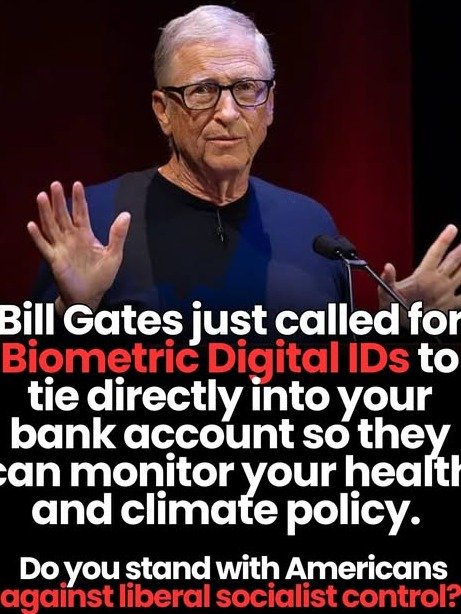
Imagine a world where your very identity isn’t just a name and birthdate, but a complex tapestry of your unique biological data – your face, your fingerprints, your iris patterns, all linked to a singular, omnipresent digital record. This isn’t science fiction; it’s the rapidly approaching reality of biometric digital IDs, and for millions of Americans, it’s raising a chilling alarm: the specter of a ‘control grid’ that extends far beyond mere technological advancement.
What if the convenience of a quick scan or a facial recognition check came at the cost of your fundamental freedoms? What if the promise of enhanced security masked a deeper, more insidious agenda for unprecedented surveillance and control? These aren’t fringe questions; they are the core anxieties fueling a growing resistance against the widespread adoption of biometric digital identity systems.
The Promise and Peril of Biometric IDs
At first glance, biometric digital IDs seem like a logical step forward. Proponents highlight their potential to streamline everything from travel and banking to healthcare and government services. Imagine no more forgotten passwords, no lost wallets, just a seamless interaction with the world, verified by your unique biological markers. It sounds efficient, secure, and futuristic.
However, beneath this veneer of efficiency lies a profound concern for many: the potential for these systems to become the cornerstone of an unparalleled ‘control grid.’ This isn’t just about the technology itself; it’s about the power it grants to those who wield it and the inherent vulnerabilities it introduces to our personal autonomy and privacy.
What Exactly Are Biometric Digital IDs?
Biometric digital IDs leverage unique biological or behavioral characteristics to verify an individual’s identity. This can include fingerprints, facial recognition, iris scans, voice recognition, and even gait analysis. These unique identifiers are then linked to a digital profile, often stored in a centralized database or on a secure digital wallet, replacing traditional forms of identification.
The goal is to create a universally recognized, tamper-proof, and highly secure method of proving who you are. While the technology itself is impressive, the implications of its widespread deployment are what truly stir the pot of public debate and concern, especially regarding personal liberty.
The ‘Control Grid’ Warning: More Than Just Tech
For many Americans, the push for biometric digital IDs isn’t merely a technological upgrade; it’s a fundamental shift in the relationship between individuals and power structures. The term ‘control grid’ isn’t used lightly. It encapsulates a deep-seated fear that these systems could be weaponized to monitor, restrict, and even punish citizens, creating a society where every action is tracked and every privilege is conditional.
This fear is rooted in historical precedents and a healthy skepticism of centralized power. If a single, infallible digital ID becomes mandatory for virtually all aspects of life – from purchasing groceries to accessing medical care or even expressing dissent – the potential for abuse becomes terrifyingly real. It’s a scenario where non-compliance could lead to immediate digital disenfranchisement.
Erosion of Privacy and Anonymity
One of the most immediate and glaring concerns is the wholesale erosion of privacy. Every transaction, every entry, every interaction verified by your biometric ID creates a data point. Over time, this builds an incredibly detailed, immutable profile of your life, accessible to governments, corporations, and potentially even malicious actors.
“The greatest threat to privacy is the belief that you have nothing to hide.”
The ability to move through society with a degree of anonymity is a bedrock of personal freedom. Biometric digital IDs threaten to dismantle this entirely, creating a world where every step leaves a digital footprint, making true privacy an antiquated concept. This level of pervasive surveillance is precisely what fuels the ‘control grid’ anxiety.
The Slippery Slope to Social Credit Systems
A significant fear, often voiced, is that biometric digital IDs could pave the way for a social credit system, similar to those seen in other nations. In such a system, an individual’s access to services, opportunities, and even their freedom to travel could be tied to their ‘social score’ – a metric derived from their online behavior, financial history, and adherence to societal norms.
If a biometric ID becomes the universal key, it could easily be integrated with such a scoring system, creating a powerful mechanism for behavioral control. Imagine being denied a loan or a travel visa because your digital identity flags you as ‘undesirable’ based on an opaque algorithm. This chilling prospect is far from abstract for those who see the ‘control grid’ looming.
Centralized Power and Single Points of Failure
The centralization of identity data inherently creates immense power in the hands of those who manage the databases. This power could be abused through selective access, manipulation, or even outright censorship. Moreover, a centralized system represents a colossal single point of failure. A major data breach could expose the biometric information of millions, leading to unprecedented identity theft and security crises.
Unlike a lost password, you cannot change your fingerprint or your face. Once compromised, biometric data is compromised forever, leaving individuals vulnerable for life. This immutable nature of biometrics makes their widespread digital collection and storage a particularly high-stakes proposition.
The American Spirit: Freedom vs. Control
For many Americans, the debate over biometric digital IDs touches upon deeply ingrained cultural values of individualism, personal liberty, and a healthy distrust of government overreach. The idea of a mandatory, centrally controlled identity system feels antithetical to the spirit of freedom and the pursuit of privacy that has historically defined the nation.
The resistance isn’t necessarily against technology itself, but against the potential for technology to be used as a tool for systemic oppression. It’s a battle for the fundamental right to exist without constant surveillance, without the fear that one’s digital identity could be used to restrict their choices or silence their voice.
Economic Exclusion and Digital Disenfranchisement
Beyond privacy, there are also concerns about economic exclusion. What happens to those who cannot, or will not, adopt a biometric digital ID? Will they be locked out of essential services, banking, employment, and even the ability to participate in the modern economy? This creates a frightening scenario where compliance becomes mandatory, not optional.
Such a system could exacerbate existing inequalities, creating a new form of digital disenfranchisement. The ‘control grid’ isn’t just about surveillance; it’s also about the power to grant or deny access, effectively creating a two-tiered society based on digital compliance.
What’s at Stake?
- Personal Autonomy: The right to make choices free from undue influence or surveillance.
- Privacy: The ability to control one’s personal information and move through life without constant monitoring.
- Freedom of Expression: The fear that dissent could be tracked and penalized.
- Equality: The risk of exclusion for those unwilling or unable to comply.
- Data Security: The irreversible consequences of biometric data breaches.
The fight over biometric digital IDs is ultimately a fight for the future of our society. It’s a debate about whether convenience should trump liberty, and whether the promise of security justifies the potential for unprecedented control.
Navigating the Future: Vigilance is Key
As the world hurtles towards a more digitally integrated future, the conversation around biometric digital IDs must move beyond simple technological adoption. It requires a critical examination of the ethical implications, the potential for abuse, and the long-term consequences for human freedom and dignity.
Citizens, policymakers, and technologists must engage in open, transparent dialogue to establish robust safeguards, ensure individual rights are protected, and prevent the creation of a ‘control grid’ that undermines the very foundations of a free society. The stakes are incredibly high, and the time to understand and act is now, before the ultimate lock-in becomes irreversible.
About the Author




