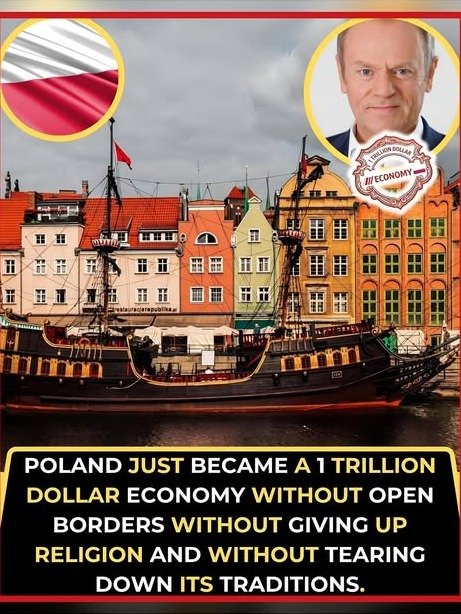
Imagine a nation that has not only defied economic expectations but has also managed to grow exponentially without sacrificing its deeply rooted identity. That nation is Poland, and it has just achieved a monumental economic milestone, officially surpassing a staggering one trillion dollars in economic output. This isn’t just a number; it’s a testament to decades of strategic growth, resilience, and a unique ability to blend modernization with unwavering cultural preservation.
For years, analysts watched as Poland transformed from a post-communist state into a dynamic European powerhouse. This incredible ascent to a trillion-dollar economy marks a significant moment, not just for Poland, but for the entire Central and Eastern European region. Yet, amidst this rapid economic expansion, Poland has remarkably held onto the very traditions, values, and historical narratives that define it, creating a compelling model for sustainable national development.
Poland’s Economic Juggernaut: A Journey to a Trillion
The journey to a trillion-dollar economy has been nothing short of extraordinary for Poland. Following the collapse of communism in 1989, the country embarked on a bold path of market reforms, privatizations, and democratic institution-building. This foundational shift laid the groundwork for what would become one of Europe’s most consistent growth stories, often outpacing many Western European counterparts.
A critical turning point was Poland’s accession to the European Union in 2004. EU membership provided access to a vast single market, significant structural funds for infrastructure development, and a boost in foreign direct investment. This influx of capital and market integration acted as a powerful catalyst, accelerating economic diversification and fostering a competitive business environment.
Key drivers of Poland’s economic success include:
Strong Domestic Market: A large and increasingly affluent population provides a robust base for consumption and local businesses.
Skilled Workforce: Poland boasts a highly educated and adaptable workforce, particularly strong in engineering, IT, and manufacturing.
Strategic Location: Its central position in Europe makes it a crucial logistics and manufacturing hub, connecting East and West.
Diversified Economy: From advanced manufacturing and automotive production to a thriving IT sector and modern services, Poland’s economy is well-diversified.
Entrepreneurial Spirit: A vibrant startup scene and a culture of innovation have fueled new business creation and technological advancements.
These factors combined have created a resilient economy capable of weathering global economic fluctuations and continuing its upward trajectory. The trillion-dollar mark isn’t just an achievement; it’s a statement of Poland’s arrival as a major global economic player.
The Unyielding Heart: Preserving Polish Culture Amidst Growth
What makes Poland’s economic triumph even more remarkable is its steadfast commitment to cultural preservation. In an era where rapid globalization often blurs national identities, Poland has managed to modernize its economy without losing its soul. The country’s rich history, traditions, and values remain deeply embedded in its societal fabric.
Polish culture is characterized by a strong sense of national identity, forged through centuries of struggle and resilience. Family values, a deep connection to historical memory, and the enduring influence of the Catholic Church continue to play significant roles in daily life. Festivals, traditional cuisine, and folk art are not merely relics of the past; they are vibrant, living aspects of contemporary Polish society.
“We have learned from history that true strength lies not just in economic might, but in the unwavering spirit of our people and the preservation of our heritage. Poland’s growth is a testament to both,” remarked a prominent Polish historian, reflecting on the nation’s unique path.
This commitment to culture is evident in various ways. Historic city centers, meticulously rebuilt after wartime devastation, stand as proud symbols of resilience. Public holidays are celebrated with traditional customs, and regional dialects and culinary traditions are cherished. Educational institutions and cultural organizations actively promote Polish language, literature, and arts, ensuring that the younger generations remain connected to their roots.
Balancing Modernity and Tradition: A Unique Polish Model
The balance between rapid economic modernization and steadfast cultural preservation is a defining characteristic of the Polish model. It demonstrates that economic success does not necessitate cultural homogenization. In fact, some argue that this strong cultural foundation provides a sense of stability and collective purpose that indirectly supports economic endeavors.
For instance, the emphasis on education and strong family ties can foster a dedicated and disciplined workforce. The appreciation for history and national pride can translate into a collective ambition for national prosperity. This isn’t to say there aren’t challenges in this balancing act, but Poland has largely succeeded in integrating global trends while maintaining its unique character.
This dual achievement—reaching a trillion-dollar economy while preserving its identity—offers valuable lessons for other developing nations. It underscores the idea that economic progress can be pursued in a way that is respectful of, and even enhanced by, a nation’s distinct cultural heritage.
Looking Ahead: Challenges and Opportunities
While the trillion-dollar milestone is a cause for celebration, Poland’s economic journey is far from over. The nation faces new challenges, including an aging population, the need for continued innovation to move up the value chain, and navigating complex geopolitical landscapes. However, it also possesses significant opportunities.
The growth of its tech sector, its increasing role in European supply chains, and its potential as a green energy leader all point towards continued dynamism. The government’s focus on attracting high-tech investments and supporting local innovation ecosystems suggests a forward-looking strategy aimed at sustaining growth.
Furthermore, Poland’s cultural resilience will likely continue to be a source of strength. As the world becomes increasingly interconnected, a strong sense of identity can provide stability and a unique voice on the global stage. This blend of economic dynamism and cultural depth positions Poland well for future success.
The Polish Dream: More Than Just Numbers
Ultimately, Poland’s achievement of a trillion-dollar economy is more than just an economic statistic; it’s a symbol of national triumph. It represents the culmination of hard work, strategic vision, and an unwavering belief in its own potential. But perhaps more importantly, it showcases a nation that understands the profound value of its heritage, proving that prosperity and tradition can not only coexist but thrive together.
As Poland steps further onto the global economic stage, its story serves as an inspiring example: a testament to a nation that has built a modern, powerful economy without forgetting the ancient soul that makes it truly unique. The world is watching, and Poland continues to demonstrate that true national success is measured not just in wealth, but in the preservation of identity and the enduring spirit of its people.