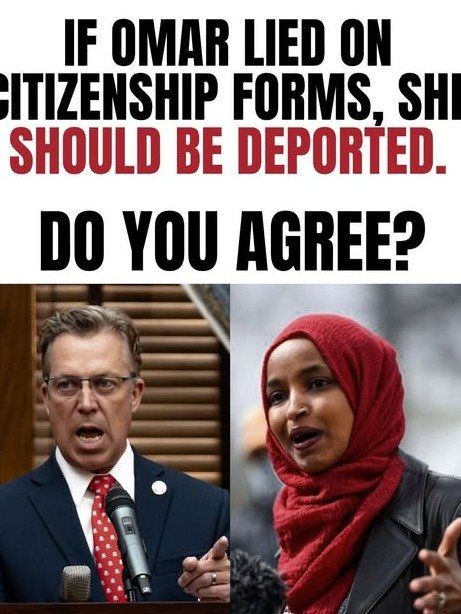
Have you noticed the headlines? The whispers turning into shouts? Across the globe, the deeply complex issues of immigration and citizenship are not just ‘taking center stage’ – they’re dominating the entire performance, sparking intense debates that touch every facet of society. This isn’t just political rhetoric; it’s a fundamental discussion about who we are, who we welcome, and what kind of future we’re building together.
From bustling metropolises to quiet rural towns, these conversations are igniting passions, shaping policies, and even influencing international relations. The tension is palpable, and understanding the myriad layers of these debates is no longer optional – it’s essential for every citizen.
A Recurring Saga: Why Immigration Always Returns to the Spotlight
The notion of people moving across borders is as old as humanity itself. Throughout history, migrations have driven innovation, spread cultures, and reshaped civilizations. Yet, despite this ancient precedent, each new wave of migration or shift in global demographics seems to reignite familiar arguments about national identity, resources, and belonging.
What makes these debates so persistent? Part of it lies in their inherent connection to core human concerns: security, economic stability, and cultural preservation. When these elements are perceived to be at risk, even minor changes can trigger widespread public discussion and political polarization.
The Economic Equation: Boon or Burden?
One of the most fiercely contested aspects of immigration centers on its economic impact. Proponents often highlight the vital role immigrants play in filling labor shortages, especially in sectors like agriculture, healthcare, and technology. They contribute to economic growth by starting businesses at higher rates, paying taxes, and injecting new demand into local economies.
Studies frequently show that immigrants, particularly those with diverse skill sets, can boost innovation and competitiveness. They bring fresh perspectives and entrepreneurial drive, often taking on jobs native-born workers are less willing to do, or creating new jobs entirely, thereby enriching the overall economy.
However, critics often raise concerns about potential strains on public services like schools, healthcare, and infrastructure. They also worry about the possibility of wage depression for low-skilled native-born workers, although research on this specific impact remains debated and often shows minimal long-term effects when properly managed.
Cultural Crossroads: Identity and Integration
Beyond economics, immigration profoundly influences the cultural landscape of a nation. Advocates celebrate the enrichment that diverse cultures bring – new cuisines, languages, arts, and traditions that weave a richer, more vibrant social fabric. They argue that multiculturalism is a strength, fostering tolerance and broadening perspectives within society.
Conversely, some express anxieties about the erosion of national identity or the challenges of social cohesion. Questions arise about the pace of integration, the preservation of native languages, and the potential for parallel societies to emerge if newcomers do not fully assimilate into the host culture or if cultural differences are not bridged effectively.
“Immigration isn’t just about numbers; it’s about people, stories, and the continuous reimagining of what a nation truly is.” – Dr. Anya Sharma, Sociologist
Securing Borders, Securing Futures: The National Security Imperative
Border security is another cornerstone of the immigration debate, particularly in an era of heightened global concerns. Governments are tasked with protecting their citizens, and robust border controls are seen as essential for preventing illegal entry, combating human trafficking, and mitigating potential security threats that could arise from uncontrolled movement.
This imperative often clashes with humanitarian considerations. The images of desperate individuals seeking refuge or asylum at borders, often fleeing violence or persecution, challenge societies to balance security needs with ethical obligations to those in distress. This tension is a major driver of the emotional intensity surrounding these debates, creating a complex ethical dilemma.
Defining Who Belongs: The Intricacies of Citizenship
The concept of citizenship itself is a focal point of contention. Different nations employ various principles to determine who is a citizen and who is not:
- Jus Soli (Right of Soil): Grants citizenship to anyone born within a country’s territory, regardless of parentage. The United States is a prominent example of a nation employing this principle.
- Jus Sanguinis (Right of Blood): Citizenship is derived from the nationality of one’s parents, regardless of birthplace. Many European and Asian countries follow this principle, emphasizing lineage over location.
- Naturalization: The legal process by which a non-citizen may acquire citizenship. This often involves stringent residency requirements, language proficiency, and civic knowledge tests, reflecting a commitment to the host nation.
Each method has its proponents and detractors. Debates often flare around birthright citizenship, with some arguing it encourages illegal immigration, while others defend it as a fundamental principle of equality and a pragmatic way to integrate new generations into the national fabric.
The Political Battleground: Ideologies and Agendas
Immigration and citizenship debates are deeply intertwined with political ideologies. On one end, you have voices advocating for more open borders, emphasizing humanitarian duties, economic benefits, and the historical legacy of immigration. They often champion comprehensive pathways to citizenship and robust support for immigrant communities.
On the other, there are those who prioritize national sovereignty, stricter border enforcement, and a more restrictive approach to immigration. Concerns about national security, cultural impact, and the strain on public resources often drive their arguments. This ideological divide makes consensus notoriously difficult to achieve in many democratic nations.
The media plays a significant role in shaping public perception, often amplifying certain narratives and contributing to the polarization. Public opinion, in turn, can swing dramatically based on current events, economic conditions, and the rhetoric employed by political leaders, making these issues highly volatile.
Beyond Borders: The Global Refugee Crisis and Humanitarian Appeals
The global landscape of migration is further complicated by the escalating refugee crisis. Millions are displaced worldwide due to conflict, persecution, and climate change, creating unprecedented challenges for international systems. Countries grapple with their international obligations under treaties like the 1951 Refugee Convention, balancing compassion with their capacity to absorb and integrate large numbers of asylum seekers.
The ethical dimensions of these crises are profound. Do wealthier nations have a moral imperative to welcome those fleeing unimaginable hardship? How do we balance the needs of vulnerable populations with the legitimate concerns of host communities regarding resources and social services? These are not easy questions, and the answers often spark heated debate.
Navigating the Future: Towards Sustainable Solutions?
Given the complexity, finding common ground on immigration and citizenship policies feels like an insurmountable challenge for many nations. Yet, the need for sustainable, humane, and economically sound solutions is more pressing than ever as global migration continues to reshape societies. Many experts advocate for comprehensive immigration reform that addresses multiple facets:
- Border Security: Implementing effective and ethical enforcement mechanisms to manage flows and deter illegal activity.
- Legal Pathways: Establishing clear, efficient, and diverse routes for legal immigration, including temporary work visas and family reunification programs.
- Integration Programs: Providing robust support for new arrivals to learn the language, find employment, understand local customs, and fully integrate into society.
- Addressing Root Causes: Engaging in international efforts to stabilize regions that produce large numbers of refugees and migrants, tackling issues like conflict, poverty, and climate change at their source.
Ultimately, these debates are not just about policies; they are about people. They are about the aspirations of those seeking a better life, the legitimate concerns of existing communities, and the shared future we are all building together. Understanding the multifaceted nature of these discussions is the first step toward fostering more informed dialogue and, hopefully, more effective solutions that benefit everyone.
The rising tension around immigration and citizenship is a stark reminder that these foundational questions about identity, belonging, and nationhood are far from settled. Engaging with these issues thoughtfully, empathetically, and with a commitment to finding common ground is crucial for every society grappling with the realities of a globalized world.
About the Author




