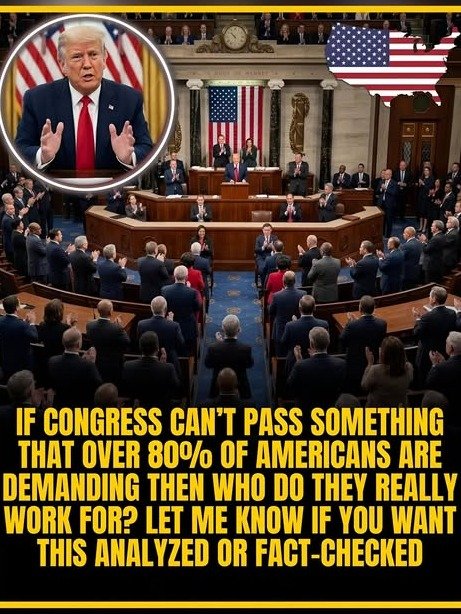
Imagine a future where casting your vote requires more hoops than ever before. This isn’t a distant fantasy; it’s the very real, often heated, debate unfolding across the nation. The proposed ‘SAVE Act,’ a legislative concept focused on stricter documentation requirements for federal elections, is currently at the epicenter of a political firestorm, captivating attention from every corner of the country.
Lawmakers find themselves deeply entrenched on opposing sides, grappling with fundamental questions about election integrity, voter access, and the very fabric of our democratic process. The implications of such legislation are profound, promising to either bolster confidence in our electoral system or erect new barriers for millions of eligible voters. The stakes couldn’t be higher, and understanding this pivotal debate is crucial for every citizen.
Unpacking the ‘SAVE Act’: What’s Really at Stake?
While often discussed generally, the core of what a ‘SAVE Act’ entails in the election context is remarkably straightforward: it seeks to implement more stringent identification and documentation standards for individuals participating in federal elections. This could range from requiring specific forms of government-issued photo ID at the polls to mandating proof of citizenship or residency beyond what is currently required in many states.
Proponents argue that these measures are essential to safeguard the integrity of our elections, preventing voter fraud and ensuring that only eligible citizens cast ballots. They believe that a secure election is a cornerstone of a healthy democracy, and robust documentation is the clearest path to achieving it. The goal, they contend, is to restore and maintain public trust in election outcomes.
The Fierce Divide: Election Integrity vs. Voter Access
At the heart of the nationwide discussion is a fundamental philosophical clash: how do we balance the imperative of election security with the constitutional right to vote? Advocates for stricter documentation emphasize the former, asserting that without ironclad security, the legitimacy of election results is compromised. They often point to anecdotal evidence or unproven claims of widespread fraud to justify their stance.
Conversely, opponents argue that such measures disproportionately impact certain demographics, effectively disenfranchising eligible voters who may struggle to obtain the required documentation. They prioritize voter access, viewing any additional barrier as a form of voter suppression. This creates a deeply polarized debate, with both sides passionately defending what they see as essential for the health of American democracy.
“The bedrock of our democracy is trust in our elections. Stricter documentation is not about making voting harder; it’s about making sure every legal vote counts and that illegal votes are never cast. It’s about securing the future of our republic.” – A proponent’s view.
Arguments for Enhanced Documentation: Bolstering Trust
Those who champion the ‘SAVE Act’ and similar initiatives often highlight several key benefits. A primary argument is the prevention of voter fraud, including impersonation at the polls, duplicate voting, or ballots cast by ineligible individuals. They believe that requiring photo identification or additional proof of eligibility creates a necessary deterrent against such illicit activities.
Furthermore, proponents suggest that robust documentation requirements can enhance public confidence in election results. In an era of increasing skepticism and misinformation, they argue that transparent and verifiable voting processes are crucial. Knowing that every voter has been thoroughly vetted, they contend, can help dispel doubts and reinforce faith in the democratic system.
- Preventing Fraud: Reduces instances of impersonation and illegal voting.
- Enhancing Confidence: Increases public trust in election outcomes.
- Ensuring Legitimacy: Guarantees that only eligible citizens cast ballots.
- Modernizing Security: Updates election protocols for contemporary challenges.
The Counter-Arguments: The Shadow of Disenfranchisement
On the other side of the aisle, critics of stricter documentation raise serious concerns about its potential to disenfranchise millions of eligible voters. They argue that acquiring specific forms of ID or additional documentation can be a significant hurdle for various groups, including the elderly, low-income individuals, students, people with disabilities, and minority communities.
Many of these individuals may not possess the required identification, lack access to transportation to government offices, or face financial burdens associated with obtaining new documents. Opponents fear that rather than preventing fraud, these laws primarily serve to suppress turnout among populations that historically face systemic barriers to voting, echoing past eras of voter suppression.
“Voting is a fundamental right, not a privilege to be earned through bureaucratic hoops. These laws disproportionately target and silence marginalized communities, erecting barriers that have no place in a truly inclusive democracy. We must protect access above all else.” – An opponent’s perspective.
A Look Back: Historical Context of Voter Restrictions
The debate over voter documentation is not new; it has deep roots in American history. Throughout different periods, various restrictions have been imposed on suffrage, from property ownership requirements to poll taxes and literacy tests. These measures were often designed to limit the political power of specific groups, particularly African Americans and poor whites.
The Voting Rights Act of 1965 was a landmark achievement, designed to dismantle these discriminatory practices and ensure equal access to the ballot box for all citizens. Critics of modern voter ID laws often draw parallels to these historical precedents, arguing that while the methods may be different, the outcome – reduced participation among certain demographics – remains eerily similar.
Potential Impacts on Diverse Demographics
The practical implications of a ‘SAVE Act’ could vary significantly across different segments of the population. For instance, elderly citizens, particularly those who no longer drive, may find it challenging to renew or obtain specific photo IDs. Their birth certificates or other foundational documents might be difficult to locate or access, making compliance a burdensome task.
Similarly, low-income individuals might struggle with the costs associated with obtaining new IDs, such as fees for birth certificates or transportation to DMV offices. Students, especially those living away from their permanent residences, might face confusion or difficulty in proving residency. These challenges, while seemingly minor to some, can be insurmountable for others, leading to a chilling effect on voter participation.
- Elderly: May lack necessary documents or transportation.
- Low-Income: Financial burdens and access issues.
- Students: Residency complications and ID requirements.
- Minorities: Historical and ongoing systemic barriers.
- Disabled: Mobility and accessibility challenges for obtaining IDs.
The Role of Technology: A Double-Edged Sword?
In the modern age, technology offers both potential solutions and new challenges to this debate. Digital identification systems, blockchain-based voting, or secure online voter registration platforms could theoretically streamline the process and enhance security. However, the implementation of such technologies comes with its own set of concerns.
Issues like digital literacy, access to reliable internet, and privacy concerns could create a new ‘digital divide,’ further exacerbating existing inequalities. While technology holds promise for more secure and efficient elections, its application must be carefully considered to avoid inadvertently creating new barriers or vulnerabilities.
Legislative Roadblocks and the Path Forward
The political landscape for a ‘SAVE Act’ is fraught with challenges. With lawmakers deeply divided along partisan lines, passing comprehensive federal legislation on this topic is an uphill battle. Any significant changes to federal election documentation would likely face intense scrutiny, filibusters, and legal challenges from advocacy groups.
Moreover, the balance of power between federal and state governments regarding election administration adds another layer of complexity. States traditionally have significant authority over how elections are conducted, and federal mandates on voter documentation could be seen as an overreach, leading to further legal and political skirmishes. Finding common ground in such a polarized environment seems increasingly difficult.
Case Studies: Lessons from State-Level Implementation
While a federal ‘SAVE Act’ remains hypothetical, many states have already implemented their own versions of stricter voter ID laws, offering valuable insights into their real-world impact. States like Georgia, Texas, and North Carolina have seen their voter ID laws challenged in court, with some being upheld and others struck down due to discriminatory effects.
These state-level experiences demonstrate that the practical outcomes of stricter documentation can vary widely, often depending on the specific requirements, the availability of free IDs, and the outreach efforts made to inform voters. What is clear, however, is that such laws consistently spark intense debate and often lead to protracted legal battles.
The Future of Your Vote: A Critical Juncture
As the conversation around the ‘SAVE Act’ intensifies, the future of how Americans cast their ballots hangs in the balance. The push for stricter documentation requirements reflects a genuine desire among some to fortify election security and public trust. However, it also ignites profound fears among others about the potential for widespread disenfranchisement and the erosion of voting rights.
Ultimately, navigating this complex issue will require thoughtful deliberation, a willingness to consider diverse perspectives, and a commitment to protecting both the integrity of our elections and the fundamental right to vote for every eligible citizen. The decisions made today regarding voter documentation will undoubtedly shape the landscape of American democracy for generations to come. Your engagement in this critical debate is more important than ever.
About the Author




