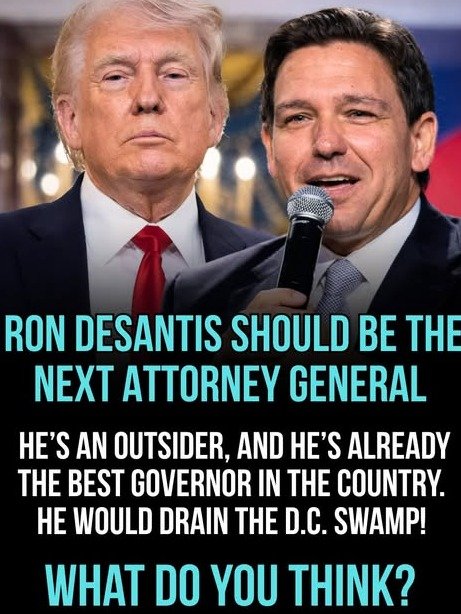
Imagine a figure stepping into the role of Attorney General, not just with political backing, but with a proven track record of fearlessly taking on entrenched systems and powerful interests. What if that person’s appointment wasn’t just about loyalty or fleeting headlines, but about a deep, strategic commitment to dismantling what many call ‘the swamp’?
For many supporters, the argument for Ron DeSantis as Attorney General transcends mere political alignment. It’s an assertion rooted in his distinctive approach to governance, particularly his tenure as Florida’s Governor. His advocates don’t just see a loyal ally; they see a strategic force capable of bringing a unique brand of accountability to the federal government.
The “Swamp-Cleaner” Mandate: A Deeper Look
The term ‘swamp-cleaner’ has become a powerful metaphor in modern political discourse, signifying a desire to dismantle corruption, reduce bureaucratic bloat, and restore integrity to government institutions. While many politicians promise to tackle these issues, few have demonstrated the consistent, aggressive action seen in DeSantis’s Florida.
His supporters argue that his record isn’t just a series of policy wins, but a clear demonstration of his willingness to confront powerful entities, regardless of the political cost. This isn’t about scoring cheap points or generating sensational headlines; it’s about a fundamental belief in the rule of law and holding institutions accountable.
Florida’s Blueprint: A Record of Confrontation
DeSantis’s governorship in Florida provides a compelling case study for those advocating for his potential role as Attorney General. His tenure has been marked by a series of high-profile battles where he actively challenged established norms and powerful adversaries.
Consider his bold actions against corporate giants attempting to wield undue influence in state policy. He famously took on entities that he believed were pushing ideological agendas inconsistent with the values of Florida residents. This wasn’t merely a political skirmish; it was a deliberate stand against what he perceived as corporate overreach into public life.
Furthermore, his administration made significant strides in addressing election integrity, establishing a dedicated office to investigate voter fraud. This move, while controversial to some, underscored a commitment to ensuring public trust in democratic processes – a critical area for any top law enforcement official.
DeSantis also consistently pushed back against federal mandates and directives he deemed unconstitutional or excessive. From COVID-19 policies to immigration issues, he positioned Florida as a bulwark against what he saw as federal overreach, asserting states’ rights and individual liberties.
His focus on parental rights in education, particularly regarding curriculum content and gender ideology, further illustrates his willingness to engage in highly contentious cultural battles. These actions, often framed as protecting children and families, demonstrate a leader prepared to use the full weight of his office to enact his vision.
About the Author




