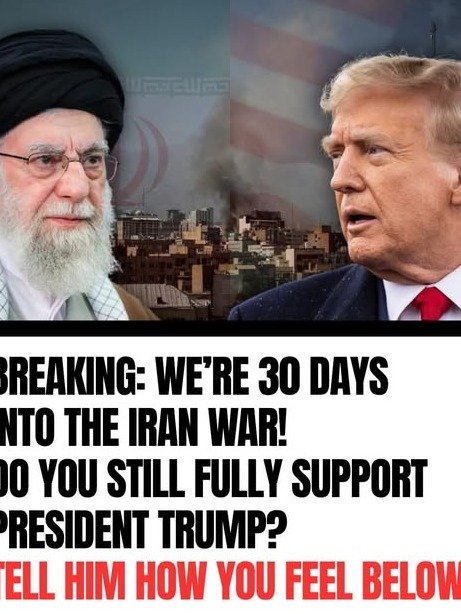
Has it really been a month already? The clock keeps ticking, and with each passing day, the escalating tensions between the United States and Iran continue to dominate global headlines and shape U.S. foreign policy. What began as a simmering conflict has, over the last 30 days, intensified into a critical flashpoint, leaving many wondering about the true implications for regional stability and global peace.
This isn’t just about diplomatic communiques or geopolitical chess moves; it’s about real-world consequences that could impact everything from global oil prices to the safety of international shipping lanes, and even the future direction of American foreign policy itself. As the situation remains front and center, understanding the nuances of this complex relationship is more crucial than ever.
A Legacy of Mistrust: The Roots of Current Tensions
To truly grasp the current situation, we must briefly look back at the historical tapestry of U.S.-Iran relations, a narrative woven with suspicion, revolution, and shifting alliances. Decades of animosity, punctuated by moments of fragile diplomacy, have laid the groundwork for today’s heightened state of alert. From the 1979 Iranian Revolution and the subsequent hostage crisis to the ongoing disputes over Iran’s nuclear program and regional influence, the relationship has rarely been smooth.
The Joint Comprehensive Plan of Action (JCPOA), or the Iran nuclear deal, represented a brief period of de-escalation, albeit one fraught with internal and external criticism. However, the U.S. withdrawal from the agreement in 2018 marked a significant turning point, reintroducing stringent sanctions and setting the stage for the current cycle of escalation. This move was justified by Washington as a necessary step to curb Iran’s broader malign activities in the region, but it was viewed by Tehran and many international allies as a provocative act that undermined a vital diplomatic achievement.
The Last 30 Days: A Whirlwind of Escalation
The past month has been particularly volatile, characterized by a series of events that have steadily ratcheted up the pressure. We’ve seen a surge in military posturing, with both sides conducting exercises and deploying assets designed to project strength and deter aggression. The rhetoric from Washington and Tehran has grown increasingly sharp, with leaders exchanging warnings and accusations that leave little room for misinterpretation.
Key incidents during this period include reported attacks on commercial shipping in vital waterways, which have been attributed by some to Iranian-backed entities, though Tehran denies direct involvement. There have also been alleged drone incursions and retaliatory actions, further blurring the lines between deterrence and direct confrontation. These events, often shrouded in conflicting reports, have created a climate of uncertainty and apprehension, fueling fears of a miscalculation that could trigger a wider conflict.
U.S. Policy: Maximum Pressure and Shifting Sands
The current U.S. administration’s approach to Iran has been consistently defined by a strategy of “maximum pressure.” This involves a comprehensive suite of economic sanctions aimed at crippling Iran’s economy and forcing it to renegotiate a more restrictive nuclear deal, while also curbing its ballistic missile program and support for regional proxies. The past 30 days have seen these sanctions tightened even further, impacting Iran’s oil exports and access to international financial markets.
However, this strategy isn’t without its critics. Some argue that maximum pressure risks backing Iran into a corner, potentially leading to more aggressive actions rather than capitulation. Others suggest it alienates U.S. allies who prefer a diplomatic approach and could undermine international efforts to contain Iran. The debate within U.S. foreign policy circles is intense, reflecting the profound challenges of managing such a high-stakes geopolitical rivalry.
American Public Opinion: A Nation Divided
Recent polling data confirms what many already suspect: Americans are deeply divided on how to handle the escalating tensions with Iran. There’s no clear consensus, reflecting the complexity of the issue and the differing ideological perspectives within the country. This division isn’t merely partisan; it cuts across various demographics and political affiliations, highlighting a significant challenge for policymakers attempting to forge a unified national strategy.
- Support for Diplomacy: A significant portion of the public favors a diplomatic resolution, advocating for renewed negotiations and de-escalation talks rather than military confrontation. They often point to the potential human and economic costs of war.
- Advocacy for Stronger Action: Conversely, another segment believes that stronger measures, including potential military action, are necessary to deter Iran’s perceived threats and protect U.S. interests. They emphasize the need for decisive action against what they see as a dangerous and destabilizing regime.
- Economic Sanctions: While there is broader support for economic sanctions as a tool, opinions diverge on their effectiveness and ethical implications, with some concerned about the impact on the Iranian populace.
This internal disagreement underscores the tightrope walk faced by the administration, which must navigate not only international pressures but also a deeply polarized domestic audience.
Regional Ripples: Allies and Adversaries on Edge
The ripple effects of the U.S.-Iran standoff extend far beyond Washington and Tehran, profoundly impacting the volatile Middle East. Regional allies of the United States, such as Saudi Arabia and Israel, largely welcome a tough stance against Iran, viewing it as a critical counterweight to what they perceive as Iranian expansionism and destabilizing influence. These nations often find themselves on the front lines of proxy conflicts with Iranian-backed groups.
On the other hand, countries like Iraq, which shares a long border and complex historical ties with Iran, face immense pressure to balance their relationships, fearing that increased tensions could easily spill over into their own territories. The potential for a wider regional conflict, involving multiple state and non-state actors, remains a constant and terrifying possibility, adding layers of complexity to an already combustible situation.
The Economic Undercurrents: Oil, Sanctions, and Global Markets
Beyond the geopolitical chess game, the U.S.-Iran tensions carry significant economic implications that resonate globally. Iran is a major oil producer, and any disruption to its exports or to the crucial Strait of Hormuz – a choke point for a significant portion of the world’s oil supply – could send shockwaves through international energy markets. Even the *threat* of such disruption can cause oil prices to spike, impacting consumers and industries worldwide.
The U.S. sanctions regime, while aimed at Iran, also creates challenges for international businesses and governments. Companies face difficult choices between complying with U.S. sanctions and maintaining trade relationships with Iran, often leading to a chilling effect on investment and commerce. This economic dimension adds another layer of urgency to the situation, as prolonged instability could have far-reaching consequences for global economic growth.
What Lies Ahead? Pathways to the Future
As the 30-day mark turns into an indefinite period of heightened alert, the future remains uncertain. Several potential pathways could emerge from this standoff, each with its own set of risks and opportunities. Will diplomacy prevail, leading to renewed talks and a de-escalation of tensions? Or will the current trajectory continue, maintaining a tense equilibrium that could be shattered by a single misstep?
“The challenge lies in finding a path that secures U.S. interests without igniting a broader conflict, a tightrope walk that demands both firmness and strategic patience.” – A foreign policy analyst.
The possibility of further escalation, accidental or intentional, cannot be entirely discounted. A miscalculation by either side, or by any regional actor, could quickly spiral out of control, leading to direct military confrontation. Conversely, a breakthrough in back-channel communications or a shift in geopolitical priorities could open the door for a more peaceful resolution. The world watches with bated breath, hoping for a return to stability.
Staying Informed: Your Role in a Critical Moment
The escalating tensions with Iran are not just a distant foreign policy issue; they represent a critical moment with profound implications for global stability, economic well-being, and potentially, the lives of many. Understanding the historical context, the recent developments, and the diverse perspectives involved is essential for any informed citizen.
As the situation continues to unfold, staying engaged and seeking out reliable information from multiple sources becomes paramount. The decisions made in the coming weeks and months will undoubtedly shape the geopolitical landscape for years to come, and a well-informed public is crucial for holding leaders accountable and advocating for a more peaceful future.
About the Author




