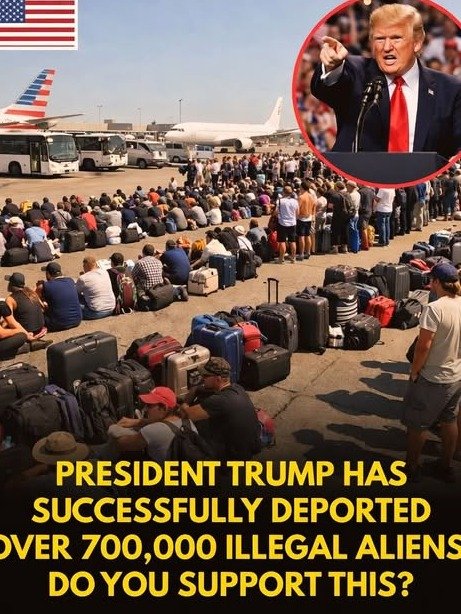
Few political topics ignite such passionate debate as immigration, and perhaps no recent administration has stirred the pot quite like Donald Trump’s. From the moment he launched his presidential campaign, a central promise revolved around a dramatic overhaul of U.S. immigration policy, focusing on what he termed ‘stricter enforcement’ and ‘restoring law and order’ at the border and within the nation’s interior.
This aggressive stance sparked a fierce national conversation that continues to reverberate today. On one side, ardent supporters champion his policies as a necessary return to sovereignty and security. On the other, vocal critics decry them as inhumane, ineffective, and fundamentally damaging to the fabric of American society. But what were the true impacts of these policies, and how do we weigh the arguments for and against them?
The Proponents’ Case: Restoring Law and Order
For many who supported Donald Trump, his immigration agenda represented a long-overdue commitment to national sovereignty and the rule of law. They argued that previous administrations had allowed the border to become too porous and that a perceived lack of enforcement had incentivized illegal immigration, leading to a host of societal problems.
A core tenet of this perspective was the belief that increased removals of undocumented immigrants were not merely a statistic, but a vital step in deterring future illegal crossings and upholding the integrity of the legal immigration system. Proponents often pointed to the concept that a nation without secure borders is not truly a nation, emphasizing the importance of knowing who enters and resides within its territory.
Key policies like the construction of a border wall, increased funding for Immigration and Customs Enforcement (ICE) and Customs and Border Protection (CBP), and the implementation of the ‘zero tolerance’ policy at the border were hailed as decisive actions. These measures, it was argued, sent a clear message: illegal entry would no longer be tolerated, and those residing in the country without authorization would face consequences.
Furthermore, supporters frequently highlighted national security concerns, suggesting that unchecked borders posed risks from criminal elements and potential terrorists. They also raised economic arguments, contending that undocumented immigration depressed wages for American workers and strained public services, such as schools and healthcare.
“The Trump administration’s policies were a necessary reset, prioritizing American citizens and national security. We finally saw a president willing to enforce our laws and secure our borders, something previous administrations shied away from.” – A common sentiment among supporters.
The emphasis was firmly on deterrence and accountability. By making it more difficult and riskier to enter or remain in the U.S. illegally, the administration aimed to reduce the overall number of undocumented immigrants, thereby restoring a sense of order and fairness to the system.
The Critics’ Rebuttal: Humanitarian Crisis and Ineffectiveness
In stark contrast, critics of Trump’s immigration policies voiced profound concerns, primarily focusing on the humanitarian impact and questioning the true effectiveness of the measures. They argued that the administration’s approach was excessively harsh, often cruel, and inflicted unnecessary suffering on vulnerable populations, including women and children.
The ‘zero tolerance’ policy, which led to the separation of thousands of children from their parents at the U.S.-Mexico border, became a flashpoint for international condemnation. Critics contended that this policy, along with the conditions in some detention facilities, violated fundamental human rights and tarnished America’s image as a beacon of freedom and compassion.
Many also argued that the policies failed to address the root causes of migration, such as violence, poverty, and political instability in migrants’ home countries. Instead of deterring, they believed the policies merely shifted migration patterns or forced individuals into more dangerous routes, often at the hands of human traffickers.
The economic arguments put forth by proponents were also challenged. Critics pointed out that many undocumented immigrants fill essential labor roles, particularly in agriculture and construction, and contribute significantly to the economy through taxes and consumption. Mass deportations, they argued, could lead to labor shortages and economic disruption.
- Family Separation: A policy that drew widespread condemnation for separating children from parents at the border.
- Asylum Restrictions: Changes that made it more difficult for individuals to seek asylum, often forcing them to wait in dangerous conditions in Mexico.
- Expanded Interior Enforcement: Increased ICE raids and arrests within U.S. communities, fostering fear and distrust.
- ‘Remain in Mexico’ Policy: Mandated asylum seekers to wait in Mexico for their U.S. court dates, often for months or years.
For critics, the administration’s actions represented a departure from American values and an overreach that prioritized enforcement at the expense of human dignity and due process. They believed the focus should be on comprehensive immigration reform that includes pathways to legal status, rather than solely on punitive measures.
Dissecting the Numbers: What Do the Statistics Reveal?
Understanding the actual impact of Trump’s immigration policies requires a careful examination of available data, which itself can be interpreted in various ways. Proponents often highlighted increases in deportations, particularly in the early years of the administration, as evidence of successful enforcement.
However, a closer look reveals a complex picture. While interior deportations (removals of individuals already inside the U.S.) did see an initial uptick, they did not consistently surpass levels seen during the Obama administration’s peak years. Border apprehensions, on the other hand, fluctuated dramatically, reaching multi-year highs at certain points, which critics argued indicated a failure of deterrence rather than success.
The definition of ‘removal’ itself became a point of contention. Some statistics included ‘expedited removals’ at the border, which are administrative rather than judicial, potentially inflating the numbers without reflecting full due process. The focus on specific metrics often served to bolster pre-existing arguments rather than provide a holistic view.
“The numbers don’t lie, but they can be misleading. While some enforcement metrics rose, the underlying issues driving migration were never truly addressed, and border crossings remained persistent, albeit with different demographics and routes.” – An expert analysis on the data.
The border wall, a flagship policy, saw significant construction, but primarily involved replacing existing barriers rather than building entirely new sections in pristine areas. Its effectiveness in deterring crossings remained a subject of intense debate, with many arguing that migrants simply found ways around or over it.
Ultimately, the statistics paint a mixed picture. While there was undoubtedly a surge in enforcement actions and rhetoric, the long-term trends in illegal immigration and deportations were influenced by a myriad of factors, including economic conditions in sending countries, humanitarian crises, and the evolving strategies of migrant smugglers.
The Long-Term Impact and Enduring Legacy
Regardless of where one stands on the efficacy or morality of Donald Trump’s immigration policies, their impact on the nation’s immigration system, its border, and its political discourse is undeniable and long-lasting. The administration fundamentally reshaped public perception and governmental approach to immigration.
One significant legacy is the increased politicization of immigration. What was once a complex policy challenge became an even more central and divisive issue in American politics, often framed in stark terms of national security versus humanitarianism. This deepened the ideological chasm between the two major parties, making comprehensive reform even more elusive.
The policies also had a profound effect on the agencies tasked with enforcement. ICE and CBP saw increased resources, but also faced unprecedented scrutiny and criticism, leading to morale challenges and public relations battles. The legal system was inundated with challenges to executive orders and policy changes, many of which were overturned or significantly altered by the courts.
- Increased Scrutiny: Immigration agencies faced unprecedented public and legal challenges.
- Deepened Political Divide: Immigration became an even more polarizing issue in national politics.
- Legal Precedents: Court battles over policies like the travel ban and family separation set new legal precedents.
- Impact on Communities: Immigrant communities experienced heightened fear and uncertainty.
Moreover, the rhetoric and policies had a tangible impact on immigrant communities across the country, fostering an environment of fear and uncertainty. Many families lived with the constant threat of separation, affecting their daily lives, access to services, and overall well-being.
The debate over how to manage immigration, secure the border, and treat those seeking refuge or a better life in the U.S. continues to be one of the most pressing and contentious issues facing the nation. Trump’s presidency did not resolve these challenges but rather intensified the discussion and forced a re-evaluation of long-held assumptions.
Conclusion: A Debate That Defines a Nation
The arguments surrounding Donald Trump’s immigration stance are not merely academic; they reflect deeply held beliefs about national identity, security, compassion, and justice. Proponents firmly believe his administration took necessary steps to uphold laws, protect sovereignty, and prioritize the interests of American citizens.
Critics, conversely, see a period marked by policies that caused immense suffering, damaged international standing, and failed to address the complex realities of global migration effectively. Both sides cite data, personal stories, and moral imperatives to support their positions, making it difficult to find common ground.
Ultimately, Trump’s immigration legacy is a complex tapestry woven with threads of strict enforcement, humanitarian concerns, legal battles, and profound societal division. It serves as a powerful reminder that immigration remains a defining issue for the United States, one that continues to challenge its values and its future.
About the Author




