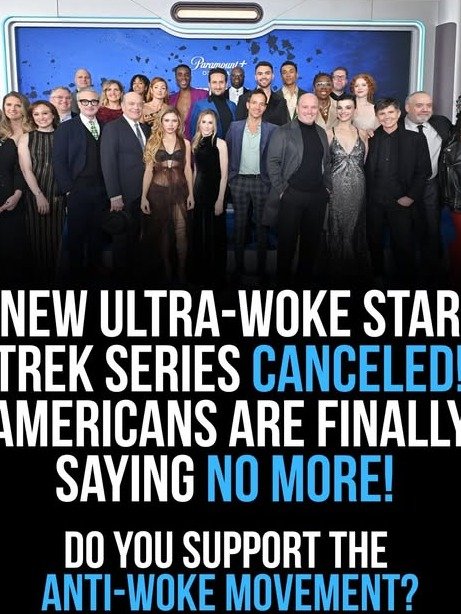
It’s a phenomenon that’s reshaping the media landscape: the instant, decisive ‘off’ switch triggered by content perceived as pushing an agenda. You’ve felt it, haven’t you? That moment when a show, a movie, a song, or an article shifts from engaging entertainment to something that feels less like storytelling and more like a lecture.
For a growing segment of the audience, this isn’t just a fleeting annoyance; it’s a hard line. The moment a ‘woke agenda’ is detected, the remote is grabbed, the tab is closed, or the podcast is paused. It’s a clear, unequivocal message sent directly from the consumer: we’re here for entertainment, not indoctrination.
The Instant Disconnect: A Powerful Consumer Statement
This isn’t a nuanced debate or a polite disagreement; it’s an immediate, visceral reaction. It’s the digital equivalent of walking out of a theater mid-scene. Consumers, armed with an unprecedented array of choices, are exercising their power by simply disengaging. They’re voting with their time and attention, and increasingly, that vote is a firm ‘no’ to content that prioritizes messaging over genuine narrative.
Think about it: in a world overflowing with content, from every corner of the globe and every niche imaginable, why would anyone tolerate something that feels inauthentic or preachy? People seek escapism, connection, laughter, tears, and thought-provoking stories. When these core desires are overshadowed by what feels like a forced ideological stance, the spell is broken.
What Does ‘Woke Agenda’ Mean to the Audience?
The term ‘woke agenda’ itself is often debated and can mean different things to different people. However, in the context of media consumption, it frequently refers to content where social or political messaging is perceived to take precedence over storytelling, character development, or historical accuracy. This can manifest in several ways:
- Forced Diversity: When characters are introduced or changed seemingly just to check a demographic box, rather than serving the story organically.
- Virtue Signaling: Content that feels like it’s trying too hard to prove its progressive credentials, often at the expense of genuine human experience.
- Revisionist History: Altering established narratives or historical figures to fit a contemporary social framework.
- Preachy Dialogue: Characters delivering monologues that sound more like op-eds than natural conversation.
- Sacrificing Art for Message: When the quality of writing, acting, or direction seems to suffer because the primary goal is to convey a specific viewpoint.
For many viewers, these elements can shatter immersion and transform what should be an enjoyable experience into a frustrating one. The expectation is to be entertained, not educated on a specific worldview.
Breaking the Spell: Why Immersion Matters
The magic of good storytelling lies in its ability to transport you. When you’re engrossed in a film, a book, or a series, you’re fully immersed in that world. You connect with the characters, you feel the tension, you laugh at the jokes. This immersion is fragile; it can be easily broken by anything that pulls you out of the narrative.
“When the story becomes a vehicle for a message, the message often overwhelms the story, and the audience feels manipulated rather than engaged.” – A media critic’s observation on modern content trends.
When an audience member perceives an overt ‘woke agenda,’ it acts like a sudden, jarring noise that shatters this delicate spell. They are no longer lost in the story; they are acutely aware of the creators’ intentions, and often, they resent it. This feeling of being lectured or manipulated is a powerful deterrent.
The Business of Disengagement: What Happens When Audiences Turn Off?
This isn’t just about individual preferences; it has significant implications for the entertainment industry. When millions of people consistently turn off content, it translates directly into financial losses, declining viewership, and damaged brand reputation. Studios and networks invest vast sums into productions, and their ultimate success hinges on audience engagement.
Consider the impact on:
- Box Office & Streaming Numbers: Lower viewership means less revenue from ticket sales, subscriptions, and advertising.
- Brand Loyalty: Audiences who feel alienated are less likely to return to a specific studio, network, or franchise.
- Creative Freedom vs. Market Demands: Creators might feel pressured to adhere to certain ideological guidelines, potentially stifling genuine artistic expression.
The market has a way of correcting itself, albeit sometimes slowly. If enough people stop watching, listening, and reading, content creators will eventually have to re-evaluate their strategies or risk becoming irrelevant.
The Search for Authenticity and Pure Entertainment
What audiences are truly yearning for is authenticity. They want stories that resonate, characters that feel real, and narratives that are driven by genuine human experience, not by a checklist of contemporary social issues. They want to be entertained, to laugh, to cry, to think, and to escape.
This doesn’t mean audiences are against diverse stories or thoughtful themes. On the contrary, compelling stories from all walks of life are welcomed, provided they are told with integrity and a focus on artistic merit. The key distinction lies in the *delivery* – is the message woven seamlessly into the fabric of the story, or is it clumsily tacked on, disrupting the narrative flow?
The Rise of Alternatives: A New Media Landscape
The ‘Great Unsubscribe’ isn’t just about turning things off; it’s also about turning *to* something else. This phenomenon has fueled the growth of alternative media platforms, independent creators, and content that explicitly promises to be ‘agenda-free.’ People are actively seeking out:
- Niche Streaming Services: Platforms catering to specific interests or demographics that avoid mainstream politicization.
- Independent Creators: YouTubers, podcasters, and filmmakers who operate outside traditional studio systems.
- Classic Content: A resurgence of interest in older films, TV shows, and books that predate the current cultural climate.
- User-Generated Content: Where authenticity often triumphs over polished production values.
This shift indicates a powerful consumer demand for content that aligns with their values and expectations for entertainment. It’s a testament to the fact that when mainstream offerings fail to deliver, audiences will find or create their own solutions.
Beyond the Buzzwords: Reclaiming Storytelling
The core of this discussion isn’t about being ‘pro’ or ‘anti’ any particular social movement. It’s about the fundamental purpose of entertainment and storytelling. For centuries, stories have served as a means of connection, understanding, and shared human experience. They explore universal themes, challenge perspectives subtly, and invite empathy without coercion.
When media prioritizes a specific ideological stance above all else, it risks alienating large portions of its potential audience and, more importantly, undermining the very art of storytelling itself. The power of a story lies in its ability to engage, not to dictate.
What Does the Future Hold for Content Creation?
The message from a significant portion of the audience is clear: authentic, engaging storytelling triumphs over overt agenda-pushing. The entertainment industry faces a crucial choice: continue down a path that alienates a substantial segment of its audience, or pivot back to creating content that prioritizes universal appeal, genuine creativity, and the pure joy of entertainment.
As consumers, our power is immense. Every time we choose to turn something off, or to seek out content that truly resonates, we are shaping the future of media. The ‘Great Unsubscribe’ is more than a trend; it’s a powerful declaration that audiences expect to be entertained, not preached to. And in a world of endless choice, their remote control is their loudest voice.
About the Author




