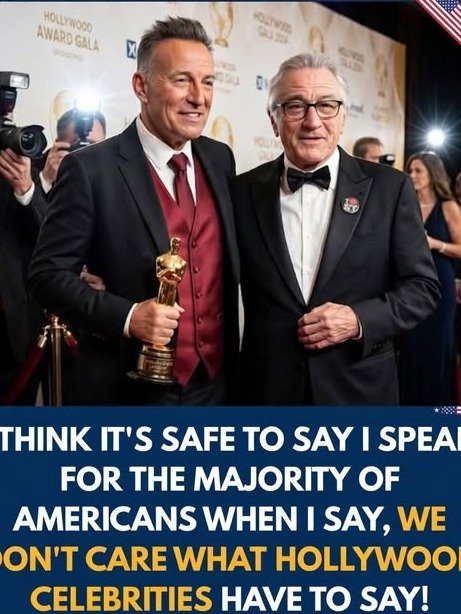
Imagine turning on the news, or scrolling through your feed, only to see your favorite actor or musician passionately advocating for a political cause. Your first reaction might be admiration, or perhaps, a frustrated eye-roll. This isn’t a new phenomenon, but the debate over whether Hollywood’s elite truly represent the pulse of America, or merely their own privileged bubble, has never been more intense.
For decades, the line between celebrity and political activism has blurred, creating a fascinating and often contentious discussion. When a beloved figure uses their immense platform to weigh in on contentious issues, it inevitably sparks a wildfire of opinions, leaving many to wonder: who truly speaks for America – the glittering stars of Hollywood, or the everyday citizens on Main Street?
The Long History of Star Power in Politics
The idea of celebrities getting involved in politics is far from new. From the early days of Hollywood, stars were often enlisted to boost morale during wartime, appearing in propaganda films or touring to sell war bonds. Think of icons like Frank Sinatra or Humphrey Bogart lending their voices to political campaigns, or even Shirley Temple running for Congress.
Later, the Civil Rights Movement saw figures like Harry Belafonte and Sidney Poitier using their influence to advocate for social justice. Their involvement wasn’t just about lending a famous face; it was about using their visibility to shine a light on crucial issues and mobilize public opinion. This historical context reminds us that the intersection of fame and politics has deep roots in American culture.
The Modern Amplifier: Social Media and Instant Opinions
What has changed significantly in recent years is the sheer speed and reach of celebrity opinions, largely thanks to social media. A single tweet or an Instagram post from a major star can reach tens of millions instantly, igniting debates, trending topics, and sometimes, outright outrage. This instant amplification means their political stances are more visible and scrutinized than ever before.
This constant stream of political commentary from celebrities has created a unique dynamic. It allows for immediate engagement, but it also fosters a sense of constant exposure to opinions that some find alienating or ill-informed. The digital age has truly transformed the landscape of celebrity activism, making it both more pervasive and more polarizing.
The Case For Celebrity Activism: Using Their Platform for Good
Proponents of celebrity political involvement often argue that these public figures have a moral obligation to use their platforms for the greater good. With millions of followers and unparalleled media attention, a celebrity can draw eyes to issues that might otherwise be ignored by mainstream media or the general public.
“To whom much is given, much is expected.” This adage often underpins the argument that those with immense influence should leverage it to advocate for change, human rights, environmental protection, or social justice. They can bring awareness to causes, fundraise significant amounts, and even lobby politicians directly.
Moreover, celebrities are citizens too. They have the same rights to free speech and political expression as anyone else. To silence them simply because they are famous would be a form of censorship, denying them a fundamental democratic right. Many celebrities genuinely care about the causes they champion and dedicate significant time and resources to them, going beyond mere lip service.
The “Out of Touch” Critique: Why Main Street Feels Unheard
On the flip side, a powerful counter-narrative argues that Hollywood’s political voice is often tone-deaf and disconnected from the realities faced by most Americans. Critics frequently point to the immense wealth and privileged lifestyles of many celebrities, suggesting they live in a “bubble” far removed from the economic struggles, healthcare woes, or everyday challenges of Main Street.
When a star worth hundreds of millions lectures on economic policy or environmental sacrifices, it can strike many as hypocritical or condescending. The perception is that these individuals, who might fly private jets or live in sprawling mansions, are out of touch with the average person’s need to balance a budget or worry about gas prices.
- Perceived Hypocrisy: Environmental advocates flying private.
- Economic Disconnect: Advising on fiscal policy from a position of extreme wealth.
- Lack of Real-World Experience: Opinions on complex issues without direct, lived experience.
- Elitism: The feeling that they believe their fame equates to superior wisdom.
This feeling of disconnect often fuels resentment, leading many to dismiss celebrity opinions outright, regardless of the message’s merit. It becomes less about the issue and more about the messenger.
Do Celebrities Actually Change Minds, or Just Preach to the Choir?
A crucial question in this debate is the actual impact of celebrity political endorsements. Do they genuinely sway voters, or do they primarily reinforce existing beliefs among their already like-minded fans? Research on this topic offers mixed results.
While a celebrity endorsement can certainly raise awareness and generate media buzz, its ability to fundamentally shift political allegiance is often limited. Studies suggest that endorsements are most effective when they come from figures perceived as authentic and relatable, rather than just famous. Furthermore, their influence is often strongest among younger, less politically engaged voters who might be introduced to an issue through a celebrity they admire.
However, for many deeply entrenched voters, a celebrity’s political stance can actually have the opposite effect, solidifying their opposition to the cause simply because a disliked figure supports it. This phenomenon highlights the double-edged sword of celebrity influence.
The “Who Speaks for America?” Dilemma
The core of the “Hollywood vs. Main Street” debate boils down to a fundamental question of representation and legitimacy. Who has the moral authority, or even the practical insight, to speak for the diverse experiences and opinions that make up the American populace?
Main Street, representing the vast majority of everyday Americans – the teachers, small business owners, factory workers, and service industry employees – often feels that their voices are drowned out or ignored. They believe their lived experiences, rooted in local communities and practical concerns, are the true measure of America’s pulse.
Hollywood, on the other hand, sees itself as a cultural bellwether, a place where ideas are born and amplified, and where artists reflect society’s deepest truths. Many within the entertainment industry genuinely believe they are using their power to champion important values and push for a more progressive or just society.
Navigating the Nuance: Beyond Black and White
It’s important to recognize that this isn’t a simple black-and-white issue. Not all celebrities are identical in their approach to politics, nor are all Main Street citizens monolithic in their views. There are celebrities who are deeply involved in grassroots efforts and have a profound understanding of the issues they champion.
Conversely, there are many people on Main Street who respect and even appreciate celebrity engagement, especially when it aligns with their own values or brings attention to critical causes. The debate is often about the *perception* of disconnect, rather than an absolute reality.
Ultimately, a healthy democracy thrives on a multitude of voices. The challenge lies in discerning which voices are genuinely informed, which are driven by conviction, and which are merely leveraging fame for attention. It also demands that we, as the audience, engage critically with all information, regardless of its source.
The Path Forward: Listening and Understanding
Instead of merely dismissing celebrity opinions or blindly following them, perhaps the path forward involves a more nuanced approach. For celebrities, it might mean backing up their statements with genuine understanding, humility, and action that demonstrates their commitment beyond a simple social media post.
For Main Street, it means not automatically rejecting a message just because of its famous messenger, but rather engaging with the substance of the argument. And for all of us, it means remembering that “America” is a tapestry woven from countless individual experiences, none of which can be fully represented by a single group, whether it’s Hollywood’s elite or any other singular entity.
The ongoing controversy surrounding celebrity involvement in politics isn’t likely to fade anytime soon. It’s a reflection of deeper societal divides and questions about who holds influence in our increasingly polarized world. Understanding these dynamics is crucial for anyone hoping to truly grasp the complex pulse of America.
About the Author




