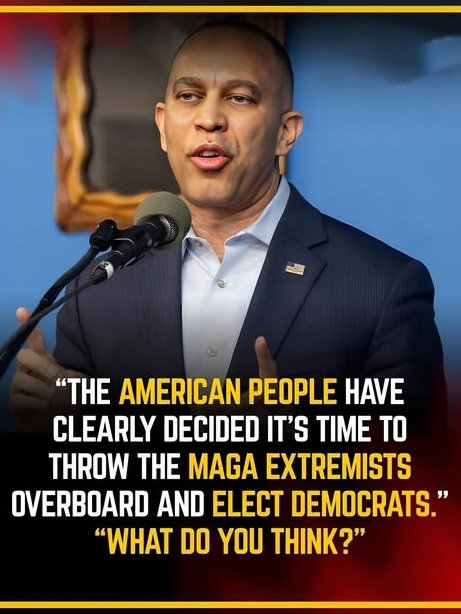
Have you ever wondered if the political leaders you see on screen are truly the same people making the tough decisions behind closed doors? It’s a question that cuts to the heart of modern politics: the profound and often perilous gap between public perception and the realities of leadership. This isn’t just about spin or PR; it’s about a fundamental tension that shapes our societies, impacts policy, and ultimately dictates the future of our democracies.
We live in an age where information, and misinformation, spreads at lightning speed, creating a complex tapestry of opinions that may or may not reflect the intricate challenges faced by those in power. Understanding this dynamic is no longer a niche academic pursuit; it’s a vital skill for every citizen who wants to engage meaningfully with the political landscape and ensure their voice truly counts.
The Illusion of Perception: What Shapes Our Views?
Our perception of political leaders is a delicate construct, built from countless fragments of information and personal biases. It’s a mosaic pieced together from media headlines, social media feeds, water-cooler conversations, and even our own deeply held values and experiences. This isn’t a passive process; we actively interpret and filter this information through our existing worldviews.
Consider the myriad factors at play: a leader’s public speaking style, their appearance, a soundbite taken out of context, or a viral meme. These elements often weigh just as heavily, if not more, than their actual policy proposals or legislative achievements. The human brain is wired for shortcuts, and in the fast-paced political arena, these shortcuts can often lead us astray from a comprehensive understanding.
The Unseen Burden: Defining True Leadership
In stark contrast to the often superficial realm of public perception, true leadership demands a very different set of qualities and actions. It’s about vision, the ability to articulate a compelling future and inspire others to work towards it. It requires unwavering integrity, making decisions based on principles rather than popularity, even when those decisions are difficult and unpopular.
Effective leaders must possess profound strategic thinking, navigating complex domestic and international challenges with foresight and adaptability. They need resilience to withstand relentless criticism and the immense pressure of public office, coupled with a deep empathy for the people they serve. These are the burdens and capabilities that often remain hidden behind the curtain of public spectacle.
“Leadership is not about being in charge. It is about taking care of those in your charge.” – Simon Sinek
Where the Roads Diverge: Populism vs. Principled Governance
The clash between public perception and leadership reality often manifests as a tension between populist demands and principled governance. Populist movements frequently capitalize on widespread anxieties and offer seemingly simple solutions to complex problems, resonating deeply with public sentiment. Leaders who prioritize long-term stability and nuanced policy may appear indecisive or out of touch in comparison.
This divergence is particularly acute when leaders must make tough, long-term decisions that yield no immediate gratification but are crucial for future prosperity. Think of unpopular tax increases to fund infrastructure, or difficult diplomatic negotiations that require compromise. These actions rarely generate viral headlines or enthusiastic applause, yet they are the bedrock of effective governance.
The Media’s Double-Edged Sword: Amplification and Distortion
The media plays an undeniable and often contradictory role in shaping public perception. On one hand, a free and independent press is essential for holding leaders accountable, scrutinizing their actions, and informing the public. On the other hand, the competitive nature of news cycles, the drive for clicks and views, and inherent biases can inadvertently amplify certain narratives while downplaying others.
Sensationalism, the focus on conflict, and the tendency to simplify complex issues into easily digestible soundbites can distort the true picture of a leader’s capabilities or a policy’s implications. The constant demand for ‘breaking news’ often leaves little room for deep, investigative reporting that provides necessary context and nuance, further widening the gap between perception and reality.
Social Media’s Echo Chamber: A New Frontier of Perception
If traditional media is a powerful shaper of perception, social media is an accelerant, a vast, interconnected network where narratives can form, spread, and solidify almost instantly. The algorithmic nature of platforms often creates ‘echo chambers,’ where individuals are primarily exposed to information that confirms their existing beliefs, reinforcing biases and making it harder to encounter dissenting viewpoints.
Misinformation and disinformation can spread unchecked, often disguised as legitimate news, eroding trust in established institutions and making it incredibly challenging for the public to discern fact from fiction. For leaders, navigating this landscape means not only communicating effectively but also contending with a constant barrage of criticism, often unverified, that can quickly define their public image regardless of their actual performance.
- Rapid Spread: Information (and misinformation) travels globally in seconds.
- Echo Chambers: Algorithms reinforce existing beliefs, limiting exposure to diverse views.
- Personalization: News feeds are tailored, creating unique, often skewed, realities for each user.
- Emotional Amplification: Content that evokes strong emotions tends to go viral, regardless of accuracy.
The Erosion of Trust: When Perception Trumps Reality
When public perception consistently diverges from the reality of leadership, the consequences can be severe. One of the most damaging outcomes is the erosion of public trust in political institutions and the democratic process itself. If citizens feel that leaders are disingenuous, incompetent, or simply playing a role for the cameras, their faith in the system diminishes.
This lack of trust can lead to disengagement, lower voter turnout, and a rise in cynicism, making it harder for leaders to implement necessary policies or garner public support for crucial initiatives. It can also create a fertile ground for demagogues who promise to dismantle the ‘corrupt’ system, further destabilizing the political landscape.
Bridging the Divide: Strategies for Leaders
So, how can leaders navigate this treacherous terrain and bridge the gap between how they are perceived and the truth of their leadership? It starts with a commitment to radical transparency, sharing not just successes but also challenges and the reasoning behind difficult decisions. Authentic communication, speaking plainly and directly to the public without excessive spin, is paramount.
Leaders must actively engage with diverse communities, listening to concerns, and demonstrating empathy, rather than relying solely on polling data. Education also plays a role; explaining the complexities of policy and the long-term implications of decisions can help shift public understanding beyond superficial impressions. It’s about building genuine relationships, not just managing an image.
The Public’s Responsibility: Critical Engagement
The burden of bridging this divide doesn’t rest solely on leaders; the public also has a critical role to play. Citizens must cultivate a habit of critical thinking, questioning headlines, verifying information from multiple, credible sources, and seeking out diverse perspectives. This means actively stepping outside of one’s own echo chamber and engaging with ideas that challenge pre-existing beliefs.
Understanding the complexities of governance, recognizing that there are rarely simple solutions to complex problems, is also vital. By demanding substance over spectacle, and by rewarding leaders who prioritize principled action over performative politics, the public can help steer the political conversation towards a more productive and informed future. Our collective future depends on our ability to see beyond the surface.
The Path Forward: Reclaiming Informed Democracy
The political debate between public perception and leadership is more than just an academic exercise; it’s a constant, evolving battle for the soul of our democracies. The rise of instantaneous information and the pressures of modern media have amplified this tension, making it harder than ever for genuine leadership to shine through the noise.
However, by understanding the forces at play, and by both leaders and citizens committing to greater transparency, critical engagement, and a focus on substance, we can begin to reclaim an informed and resilient democracy. It’s a challenging path, but one that is absolutely essential for navigating the complex world ahead. The future of our governance hinges on our ability to distinguish between the show and the substance, between fleeting impressions and enduring leadership.
About the Author




