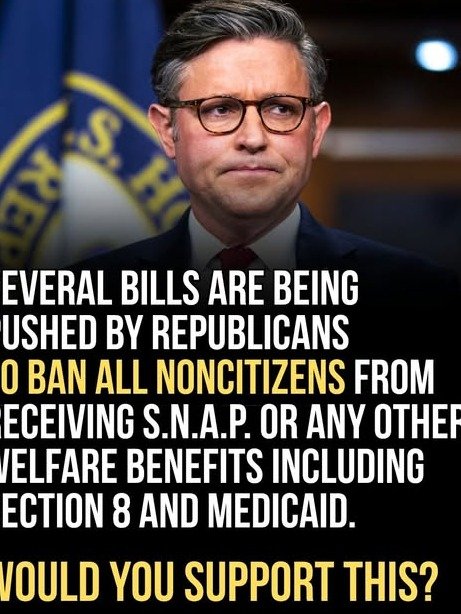
A storm is brewing in Washington, D.C., a legislative tempest that could reshape the very foundation of America’s social safety net. House Speaker Mike Johnson and a cohort of Republican lawmakers are championing aggressive new proposals, igniting a fierce debate over who truly deserves federal assistance and how those critical programs should operate.
These aren’t just minor adjustments; the proposed changes aim to significantly tighten eligibility for vital federal benefits, including the Supplemental Nutrition Assistance Program (SNAP), Medicaid, and various housing assistance initiatives. For millions of Americans who rely on these lifelines, the stakes couldn’t be higher, prompting urgent questions about the future of support for the nation’s most vulnerable.
The re-ignition of this welfare debate marks a pivotal moment, forcing a national conversation about fiscal responsibility, work requirements, and the fundamental role of government in providing a safety net. As lawmakers prepare for a potentially contentious legislative battle, understanding the nuances of these proposals and their potential impact is more critical than ever.
The Core of the Proposed Changes: A Push for Tighter Eligibility
At the heart of the Republican-backed proposals is a clear objective: to reduce the number of individuals receiving federal aid by implementing stricter eligibility criteria. This often translates into expanding existing work requirements, adding new ones, and re-evaluating income thresholds across a spectrum of programs designed to assist low-income families and individuals.
Proponents argue that these measures are essential for promoting self-sufficiency, encouraging workforce participation, and ensuring that taxpayer dollars are allocated efficiently and effectively. They contend that current eligibility standards may inadvertently foster dependency, creating disincentives for individuals to seek employment or increase their earnings.
The focus on tightening eligibility is not new, but the renewed vigor behind these proposals, especially from influential figures like Speaker Johnson, signals a serious intent to push them through. This legislative drive reflects a long-standing conservative philosophy that emphasizes personal responsibility and limits the scope of government welfare programs.
A Look Back: Lessons from Past Welfare Reforms
The current debate isn’t unfolding in a vacuum; it echoes significant welfare reforms of the past, most notably the 1996 Personal Responsibility and Work Opportunity Act (PRWORA). That landmark legislation, signed into law by President Bill Clinton, fundamentally transformed welfare from an entitlement program into a system of block grants to states, imposing strict time limits and work requirements.
The 1996 reforms led to a dramatic decrease in welfare caseloads and were praised by many for promoting employment and reducing dependency. However, critics argued that they also pushed many vulnerable families deeper into poverty, particularly during economic downturns, and failed to address the root causes of hardship.
“History shows us that while welfare reform can encourage work, it must also be carefully balanced with the need to protect the most vulnerable among us,” notes a recent policy brief from the Center for Budget and Policy Priorities. “Ignoring the potential for increased hardship is a dangerous path.”
Understanding the successes and shortcomings of these historical precedents is crucial for evaluating the potential outcomes of the current proposals. Lawmakers on both sides are undoubtedly drawing lessons, both positive and negative, from these past policy shifts.
The Potential Impact: Who Wins, Who Loses?
Should these tighter eligibility requirements become law, the ripple effects would be far-reaching. Advocates for the reforms envision a scenario where more individuals move off assistance and into gainful employment, leading to a stronger economy and reduced government spending. They believe that a streamlined system will better serve those truly in need.
However, critics paint a starkly different picture, warning of a potential surge in poverty, food insecurity, and homelessness. They argue that many individuals receiving benefits are already working low-wage jobs, are disabled, elderly, or caring for young children, making strict work requirements impractical or impossible for them to meet.
The impact on children, in particular, is a major concern, as many federal benefit programs are designed to support families. Reducing access to SNAP or Medicaid could jeopardize children’s nutrition, health, and educational outcomes, potentially creating long-term societal costs that outweigh any short-term savings.
Voices from Both Sides: The Argument for Tightening the Safety Net
Republicans and other proponents of these reforms articulate several core arguments. A primary driver is the belief in fiscal responsibility. They contend that federal spending on welfare programs has grown unsustainably and that tightening eligibility will help rein in the national debt and ensure the long-term viability of these programs for future generations.
Another key argument centers on promoting self-sufficiency and work. Many believe that strong work requirements are essential to encourage individuals to seek employment and reduce reliance on government aid. They argue that this approach fosters dignity, strengthens the workforce, and ultimately benefits both individuals and the economy as a whole.
- Combating Fraud and Abuse: Proponents often highlight the need to prevent waste, fraud, and abuse within welfare programs, ensuring that benefits reach only those who genuinely qualify and need them.
- Economic Incentives: The argument is made that overly generous benefits can create a disincentive to work, and stricter rules will encourage more people to enter or re-enter the labor market.
- Fairness to Taxpayers: Many feel that taxpayers should not be burdened with supporting individuals who are capable of working but choose not to.
These arguments form the bedrock of the conservative push for reform, emphasizing accountability and a more limited role for federal assistance.
Voices from Both Sides: Concerns and Criticisms
Opponents of the proposed eligibility tightening raise serious concerns about the human cost and practical implications of such changes. They argue that the existing safety net is already stretched thin and that further restrictions would push millions into deeper poverty and despair.
A major point of contention is the impact on vulnerable populations. Many individuals receiving benefits are not able-bodied adults without dependents; they are children, the elderly, people with disabilities, or single parents struggling to balance work with caregiving responsibilities. Forcing these groups into stricter work requirements can be impossible and counterproductive.
“These proposals often ignore the realities of low-wage work, the lack of affordable childcare, and systemic barriers to employment,” states a representative from a leading anti-poverty organization. “Cutting off assistance won’t create jobs; it will just create more hardship.”
Furthermore, critics argue that the administrative burden of implementing and enforcing complex new eligibility rules could be enormous, potentially costing more than any savings achieved. They also emphasize the critical role of federal benefits as an economic stabilizer, especially during recessions or periods of high unemployment.
The Programs Under Scrutiny: A Deeper Dive
SNAP: The Fight for Food Security
The Supplemental Nutrition Assistance Program (SNAP), formerly known as food stamps, is a cornerstone of the federal safety net, providing crucial nutritional support to millions. The proposed reforms frequently target SNAP by expanding work requirements for able-bodied adults without dependents (ABAWDs) and potentially lowering income thresholds.
Proponents argue that stricter work requirements would encourage more SNAP recipients to find employment, reducing reliance on the program. However, critics counter that many ABAWDs already face significant barriers to employment, such as lack of transportation, education, or criminal records, and that cutting off their food assistance would lead to increased hunger and poorer health outcomes.
Medicaid: Healthcare on the Edge
Medicaid provides essential health coverage to low-income adults, children, pregnant women, the elderly, and people with disabilities. Changes to Medicaid eligibility could have profound implications for access to healthcare for millions, potentially leading to increased uninsured rates and delayed medical care.
The proposals may seek to impose new work requirements for non-disabled adults, a policy that has been challenged in courts and shown mixed results in states that have attempted it. Opponents warn that such requirements could lead to significant coverage losses, particularly for those with chronic conditions or unexpected medical needs, placing a greater burden on emergency rooms and uncompensated care.
Housing Assistance: A Looming Crisis?
Federal housing programs, such as Section 8 vouchers and public housing, provide vital assistance to low-income families, the elderly, and people with disabilities, helping them afford safe and stable housing. Tightening eligibility for these programs could exacerbate the already severe affordable housing crisis in many parts of the country.
Changes might include stricter income verification, asset limits, or even work requirements for certain recipients. Critics argue that reducing access to housing assistance would lead to increased homelessness, displacement, and instability, particularly for families with children, making it harder for them to maintain employment or achieve self-sufficiency.
What’s Next? The Road Ahead for Welfare Reform
The path forward for these welfare reform proposals is fraught with political challenges. While Republicans are united in their desire for stricter eligibility, they will face strong opposition from Democrats, who largely advocate for strengthening the safety net and protecting vulnerable populations.
The legislative process will likely involve intense debate, potential amendments, and perhaps even a showdown over government funding. Public opinion will also play a crucial role, with advocacy groups on both sides mobilizing to influence lawmakers and shape the national narrative.
Ultimately, the outcome of this renewed welfare debate will have profound and lasting consequences for millions of Americans and for the future direction of the nation’s social policy. As the discussion unfolds, all eyes will be on Washington to see how this critical balance between fiscal responsibility and human need is struck.
The stakes are undeniably high, and the decisions made in the coming months could redefine what it means to be part of America’s safety net for generations to come. It’s a debate that touches every corner of society, demanding careful consideration and a clear understanding of its potential ripple effects.
The conversation around welfare reform is complex, layered with economic theory, social justice concerns, and deeply held beliefs about individual responsibility and collective well-being. Keeping informed about these developments is essential for every citizen.
About the Author




