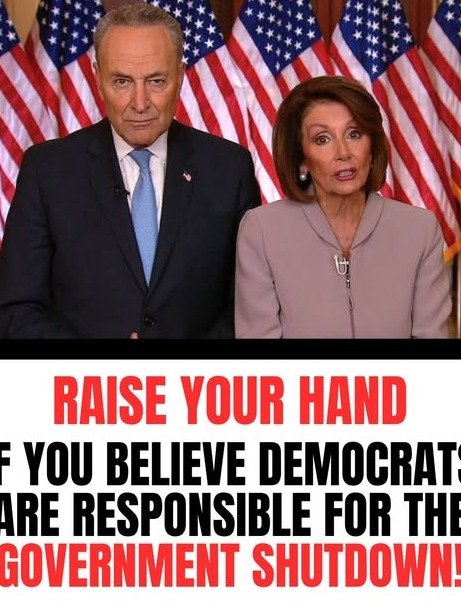
Imagine waking up to find your paycheck gone, your travel plans in chaos, and the very systems designed to protect you teetering on the brink. This isn’t a dystopian novel; it’s the stark reality for millions when a government shutdown grinds the nation to a halt. Far from a mere political squabble, these shutdowns unleash a torrent of devastating consequences that ripple through every facet of American life, from your daily commute to national security itself.
While politicians engage in a high-stakes ‘blame game,’ pointing fingers across the aisle, the true cost is borne by ordinary citizens and dedicated public servants. The ongoing government shutdown isn’t just a headline; it’s a profound disruption impacting federal workers, crippling airport operations, and dangerously eroding the capabilities of vital national security agencies like the Department of Homeland Security (DHS). It’s time to pull back the curtain on the real damage and understand who’s truly paying the price for this political stalemate.
The Silent Crisis: Federal Workers Caught in the Crossfire
At the heart of every government shutdown crisis are the hundreds of thousands of federal employees who suddenly find their lives thrown into disarray. Many are furloughed without pay, meaning they are sent home indefinitely with no income. Others, deemed ‘essential,’ are forced to work without pay, dedicating their time and effort to critical services while their own families face immense financial uncertainty.
This isn’t just an inconvenience; it’s a severe financial and emotional blow. Families struggle to pay mortgages, rent, and utility bills. Food budgets are stretched thin, and essential medical appointments might be delayed. The stress of working without a guaranteed paycheck, or not working at all, takes a heavy toll on mental health, often leading to anxiety, depression, and a profound sense of betrayal from the very government they serve.
The long-term impact on the federal workforce is equally concerning. Shutdowns erode morale, drive talented individuals away from public service, and make it harder to recruit new talent. The constant threat of future shutdowns creates an environment of instability, undermining the dedication and professionalism that are the bedrock of effective government. These are not abstract numbers; these are our neighbors, friends, and family members, working tirelessly to keep the country running.
Turbulence in the Skies: How Shutdowns Cripple Airport Operations
The immediate and highly visible impact of a government shutdown often manifests in the nation’s airports. Air traffic controllers, who are federal employees, are considered essential personnel and must continue to work their demanding, high-stress jobs without pay. Similarly, Transportation Security Administration (TSA) agents, responsible for screening millions of passengers daily, also report to work with no guarantee of a paycheck.
This creates a dangerous cocktail of stress and understaffing. The immense pressure on air traffic controllers, coupled with the financial strain, can lead to fatigue and potential errors, raising serious safety concerns. As TSA agents call in sick due to financial hardship or simply exhaustion, airport security lines lengthen dramatically, causing widespread delays, missed flights, and immense frustration for travelers.
The ripple effect extends far beyond just passengers. Airlines face significant financial losses due to delays and cancellations. Businesses relying on air cargo experience disruptions. The entire travel and tourism industry, a major contributor to the economy, suffers a severe blow, impacting hotels, restaurants, and local attractions across the country. A functioning air travel system is vital for commerce and personal connection, and shutdowns bring it to its knees.
Compromising Security: The Threat to National Security Agencies
Perhaps the most alarming consequence of a government shutdown is its direct impact on national security. Agencies like the Department of Homeland Security (DHS) encompass a wide array of critical functions, from border protection to cybersecurity. While many personnel within DHS are deemed essential, forcing them to work without pay introduces unacceptable risks.
Consider the U.S. Border Patrol, Customs and Border Protection (CBP), and Immigration and Customs Enforcement (ICE) agents, all part of DHS, who continue to patrol borders and secure ports of entry. Their vigilance is crucial, yet the stress of an unpaid work period can compromise their focus and effectiveness. Training programs are often halted, equipment maintenance is delayed, and critical intelligence gathering can be disrupted.
Beyond DHS, other intelligence agencies and defense components also face significant challenges. Furloughs can sideline analysts and support staff, potentially creating intelligence gaps at a time when global threats are constant. The ability to respond swiftly to emerging dangers, conduct vital cybersecurity operations, and maintain military readiness can all be jeopardized, leaving the nation more vulnerable to attack and espionage.
“A government shutdown is not just a budget dispute; it’s a national security risk. It weakens our defenses, demoralizes our personnel, and sends a dangerous message to our adversaries.” – A former intelligence official.
The Hidden Costs: Broader Economic and Societal Impacts
The damage from a government shutdown extends far beyond federal workers and airport lines. The broader economy feels the pinch as well. Small businesses that rely on federal contracts or loans find their payments or applications frozen, leading to cash flow problems and potential layoffs. Scientific research grants are put on hold, stalling critical advancements in medicine, technology, and environmental protection.
Public services that citizens rely on daily can also be disrupted. National parks often close or operate with minimal staffing, impacting tourism and conservation efforts. Food safety inspections may be delayed, potentially compromising public health. Environmental protection agencies scale back operations, leaving vital oversight unchecked. The cumulative effect is a slowdown in economic activity and a decline in public trust and government efficiency.
Furthermore, the administrative cost of a shutdown is substantial. The process of furloughing employees, then recalling them, and restarting operations is complex and expensive. It wastes taxpayer money on inefficiencies, rather than directing funds towards productive government functions. Each shutdown is a costly lesson in the price of political brinkmanship.
The Blame Game: A Cycle of Political Posturing
The core of the shutdown dilemma lies in the political
About the Author




