Imagine waking up one morning to find your government isn’t working. Not just inefficiently, but literally shut down, halting critical services and leaving millions in limbo. This isn’t a hypothetical scenario for many Americans; it’s a recurring nightmare that plunges the nation into uncertainty and frustration.
The ongoing political stalemate has once again ignited intense debate across the United States, forcing us to confront the harsh realities of what happens when our leaders fail to reach an agreement. Beyond the political rhetoric and partisan finger-pointing, real people face real consequences. From missed paychecks to disrupted essential services, the ripple effects touch every corner of society.
What Exactly Is a Government Shutdown?
At its core, a government shutdown occurs when Congress fails to pass legislation appropriating funds for the upcoming fiscal year, or when the President refuses to sign such legislation. Without approved funding, federal agencies are forced to cease all ‘non-essential’ operations, often sending hundreds of thousands of employees home without pay.
The distinction between ‘essential’ and ‘non-essential’ can be surprisingly fluid and is typically determined by the Office of Management and Budget (OMB) in conjunction with individual agencies. While critical functions like national security and certain public safety roles usually continue, many vital services that Americans rely on daily suddenly grind to a halt.
The Root Causes of Congressional Gridlock
Government shutdowns are rarely simple accidents; they are often the result of deep-seated political disagreements and strategic brinkmanship. The primary cause is typically a failure to agree on budget allocations, often exacerbated by the inclusion of controversial ‘policy riders’ – unrelated legislative demands attached to essential spending bills.
These standoffs become a high-stakes game of political chicken, where each side believes the other will concede first. Unfortunately, this partisan gridlock frequently leads to a complete breakdown in legislative process, with the American public bearing the brunt of the fallout. The desire to gain leverage over an opposing party often overshadows the immediate needs of the nation.
Unseen Consequences: The Ripple Effect on Everyday Americans
While headlines often focus on the political battle, the true cost of a shutdown is felt by ordinary citizens. Federal employees, many of whom live paycheck to paycheck, are either furloughed without pay or deemed ‘essential’ and forced to work without immediate compensation. This creates immense financial strain, impacting their ability to pay rent, mortgages, and everyday bills.
The impact extends far beyond federal workers. Small businesses that rely on federal contracts can see their projects halted and payments delayed, threatening their very existence. National parks close their gates, museums shut down, and vital services like processing tax refunds, issuing business loans, and even conducting food safety inspections can be severely delayed or stopped entirely.
“A government shutdown isn’t just an inconvenience; it’s a crisis for families struggling to make ends meet and for businesses relying on a stable federal presence,” stated one economic analyst during a recent news segment. “The human cost is often overlooked in the political theater.”
Consider the potential delays in processing Social Security or veteran benefits, or the disruption to scientific research crucial for public health and innovation. These are not minor inconveniences; they are fundamental disruptions that can have long-lasting effects on individuals and the nation’s progress.
The Economic Fallout: More Than Just Missed Paychecks
The economic ramifications of a government shutdown are substantial and far-reaching. Even short shutdowns can shave points off the nation’s Gross Domestic Product (GDP). Consumer confidence tends to dip as uncertainty looms, leading people to delay major purchases and investments, which further slows economic activity.
Beyond the immediate financial hit, there are long-term consequences. The morale of the federal workforce suffers significantly, potentially leading to a brain drain as talented individuals seek more stable employment. This erosion of institutional knowledge and expertise can weaken government agencies for years to come, impacting their ability to serve the public effectively.
- Reduced GDP: Economic growth slows due to halted government spending and reduced consumer activity.
- Market Instability: Financial markets often react negatively to political uncertainty, impacting investments and retirement savings.
- Lost Productivity: Millions of hours of federal work are lost, impacting everything from regulatory oversight to scientific research.
- Damaged Reputation: The U.S. government’s reliability as a partner in global affairs can be questioned, affecting international relations and trade.
A Historical Perspective: When the Government Stalls
Government shutdowns are not a new phenomenon in American politics. We’ve witnessed several significant shutdowns over the decades, each with its unique triggers and outcomes. Notable examples include the mid-1990s shutdowns under President Clinton, the 2013 shutdown during the Obama administration, and the record-breaking 35-day shutdown in 2018-2019 under President Trump.
Each instance highlights recurring themes: disagreements over budget allocations, healthcare policy, or immigration reform. While the specifics change, the core issue remains a failure of political will and compromise. The narrative is often similar: a high-stakes game of political chicken where both sides dig in, hoping the other will blink first, often to the detriment of the American people.
The Political Blame Game and Public Frustration
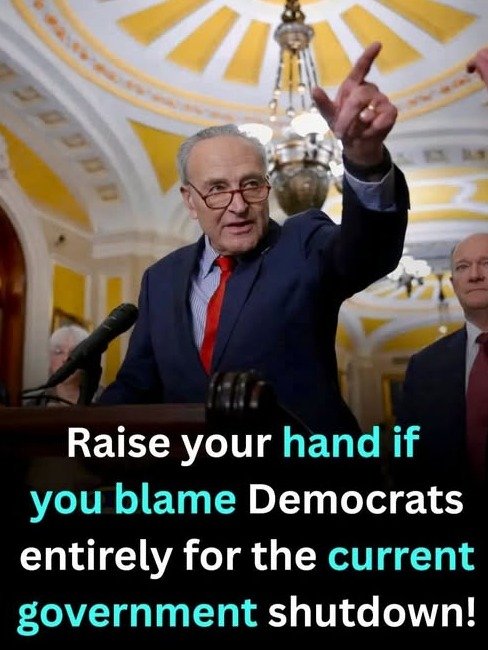
In the aftermath of a shutdown, the inevitable blame game begins. Each political party attempts to cast the other as the primary culprit, often leading to a further erosion of public trust in government institutions. Polls consistently show that the public holds both parties accountable for these disruptions, expressing widespread frustration with the inability of their elected officials to govern effectively.
This cycle of blame does little to resolve the underlying issues and often deepens partisan divides, making future cooperation even more challenging. The public’s exasperation is palpable, fueled by the direct impact on their lives and the perception that politicians prioritize power struggles over public service.
Beyond the Headlines: Real People, Real Stories
To truly grasp the gravity of a government shutdown, one must look beyond the political rhetoric and consider the individual stories. Imagine Sarah, a single mother working for a federal agency, suddenly facing a furlough with no income to cover her rent and childcare. Or Mark, a small business owner whose contract with a federal department is frozen, jeopardizing his employees’ jobs.
These are not abstract concepts; they are the lived realities of millions. The uncertainty, the stress, and the immediate financial hardship are profound. These personal crises underscore the urgent need for a more stable and predictable governing process, one that prioritizes the well-being of its citizens over political posturing.
Finding a Path Forward: Can We Avoid Future Shutdowns?
Preventing future government shutdowns requires a fundamental shift in political culture and a renewed commitment to bipartisan cooperation. One proposed solution is the implementation of automatic continuing resolutions, which would temporarily fund the government at existing levels if a new budget isn’t passed on time, thereby preventing a shutdown while negotiations continue.
Ultimately, avoiding these costly disruptions hinges on the willingness of elected officials to engage in good-faith negotiations, prioritize the nation’s needs over partisan victories, and seek common ground. It demands statesmanship, not just politics, and a recognition that the cost of gridlock is simply too high for the American people to bear.
The current climate calls for leaders who are prepared to compromise, to listen, and to work collaboratively to ensure the continuous functioning of government. Only then can we move past this cycle of frustration and build a more stable and effective future for all Americans.
About the Author




