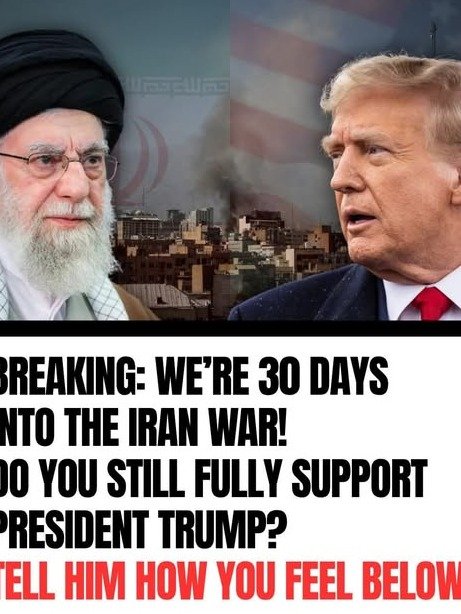
For the past month, the world has watched with bated breath as tensions between the United States and Iran have spiraled to alarming new heights. What began as a simmering dispute has rapidly escalated, placing the two nations—and indeed, global stability—on a precarious edge. Is another major conflict on the horizon, or can diplomacy still prevail?
This escalating standoff isn’t just another foreign policy blip; it’s a deeply complex and increasingly dangerous situation that has captivated global attention and sparked intense debate within American homes. As the rhetoric sharpens and military postures shift, understanding the full scope of this confrontation becomes more critical than ever.
The Deep Roots of Distrust: A Brief History
To truly grasp the current crisis, we must look beyond the immediate headlines and delve into the intricate, often tumultuous history between the U.S. and Iran. The relationship has been fraught with tension for decades, largely defined by the 1979 Islamic Revolution, which saw the overthrow of the U.S.-backed Shah and the subsequent hostage crisis. This event fundamentally reshaped dynamics, fostering deep-seated mistrust on both sides.
Subsequent decades brought periods of proxy conflicts, economic sanctions, and the constant shadow of Iran’s nuclear ambitions. The 2015 Iran nuclear deal, officially known as the Joint Comprehensive Plan of Action (JCPOA), offered a brief respite, aiming to curb Iran’s nuclear program in exchange for sanctions relief. However, the U.S. withdrawal from this agreement in 2018 under the previous administration reignited the flames of animosity, setting the stage for the current heightened tensions.
A Month on Edge: Triggers of Escalation
The past 30 days have been particularly volatile, marked by a series of events that have pushed the two nations closer to the brink. This recent surge in tension has been fueled by a combination of factors, including the U.S. re-imposition of crippling economic sanctions, designed to pressure Iran into renegotiating a broader deal that addresses its ballistic missile program and regional influence.
In response, Iran has often escalated its own activities. We’ve witnessed a concerning uptick in maritime incidents in vital shipping lanes, drone confrontations, and alleged attacks on oil infrastructure in the region. These actions, whether direct or through proxies, have been met with stern warnings and increased military deployments from the U.S., creating a dangerous cycle of action and reaction.
“Every move, every statement, every deployment is being scrutinized, not just by Washington and Tehran, but by capitals around the world,” noted one foreign policy analyst, highlighting the global ramifications of the current climate. “The margin for error is shrinking rapidly.”
America’s Stance: Maximum Pressure and Military Might
The U.S. foreign policy approach toward Iran has been characterized by a “maximum pressure” campaign. This strategy aims to cripple Iran’s economy and force its leadership to the negotiating table on terms more favorable to Washington. Sanctions have targeted key sectors, including oil exports, banking, and shipping, severely impacting Iran’s ability to finance its government and regional activities.
Alongside economic pressure, the U.S. has significantly bolstered its military presence in the Middle East. Aircraft carriers, bomber task forces, and missile defense systems have been deployed, signaling a clear intent to deter any Iranian aggression and protect American interests and allies in the region. This show of force, while intended as a deterrent, is also perceived by some as a provocative move that could inadvertently trigger conflict.
Iran’s Counter-Strategy: Resilience and Regional Influence
Iran, for its part, has responded to U.S. pressure with a blend of defiance and strategic maneuvering. Far from capitulating, Tehran has often doubled down on its rhetoric, asserting its right to develop its defensive capabilities and maintain its regional influence. The Iranian leadership frequently frames U.S. actions as an infringement on its sovereignty and a continuation of historical Western interference.
Iran’s strategy also involves leveraging its network of regional proxies, including groups in Iraq, Syria, Lebanon, and Yemen. These alliances allow Iran to project power and exert influence across the Middle East, creating a complex web of interconnected conflicts that are difficult for the U.S. and its allies to untangle. Furthermore, Iran has incrementally reduced its commitments under the nuclear deal, a move seen as an attempt to pressure European signatories to provide economic relief and challenge U.S. sanctions.
Regional Dominoes: Allies and Adversaries on Edge
The US-Iran standoff doesn’t exist in a vacuum; its tremors are felt across the entire Middle East. Key U.S. allies like Saudi Arabia, Israel, and the United Arab Emirates view Iran as a primary threat to their security and regional stability. They often advocate for a firm stance against Tehran, fearing its nuclear ambitions and its support for groups that destabilize the region.
- Saudi Arabia: Engaged in a proxy war with Iran in Yemen, and frequently targeted by Houthi rebels (backed by Iran).
- Israel: Views Iran’s nuclear program and its presence in Syria as an existential threat, often conducting strikes against Iranian targets.
- Gulf States: Concerned about the security of shipping lanes and the potential for direct conflict to disrupt their economies.
Conversely, countries like Iraq, caught between two powerful spheres of influence, find themselves in an increasingly precarious position. The presence of both U.S. troops and Iranian-backed militias on its soil creates a delicate balance that could easily tip into broader conflict.
Global Ripple Effects: Oil, Trade, and Diplomacy
Beyond the immediate region, the escalating tensions have significant global implications. The Strait of Hormuz, a narrow waterway through which a substantial portion of the world’s oil supply passes, remains a critical flashpoint. Any disruption there could send shockwaves through global energy markets, leading to soaring oil prices and economic instability worldwide.
International diplomacy is also severely strained. European nations, China, and Russia, who were signatories to the original nuclear deal, have largely opposed the U.S. withdrawal and the subsequent “maximum pressure” campaign. They advocate for de-escalation and a return to diplomacy, often finding themselves at odds with Washington’s approach. This division among major global powers complicates efforts to find a unified path forward.
The Divided American Public: A Nation Grapples with Uncertainty
Recent polling reveals a deeply divided American public regarding the escalating tensions with Iran. While there’s a general consensus that Iran poses a threat, opinions diverge sharply on the appropriate response. Many Americans express a strong desire to avoid another costly military entanglement in the Middle East, recalling the protracted conflicts in Iraq and Afghanistan.
One segment of the population supports a robust, assertive stance against Iran, believing that strong pressure is necessary to curb its actions and prevent it from developing nuclear weapons. They often emphasize national security interests and the protection of allies. Another significant portion, however, voices skepticism about military intervention and advocates for diplomatic solutions, fearing the human and economic costs of war.
- Concerns about War: A substantial number of Americans are wary of military action, fearing a protracted and costly conflict.
- Economic Impact: Many worry about the potential for rising gas prices and economic disruption.
- Diplomacy First: A strong sentiment exists for prioritizing negotiation and de-escalation over confrontation.
- National Security: Others prioritize a firm hand to protect U.S. interests and allies, even if it entails risk.
These divisions reflect a broader national debate about America’s role in the world and the efficacy of different foreign policy tools. The public is looking for clarity, but the situation offers little.
Paths Forward: Diplomacy, De-escalation, or Danger?
As the standoff continues, the world watches to see which path will prevail. The options are complex and fraught with peril. Diplomatic channels, though often strained, remain open, offering a potential route to de-escalation through direct talks or mediation by other nations. However, both sides have set preconditions that make immediate breakthroughs challenging.
The alternative, a continuation of the current trajectory, risks further escalation. A miscalculation, an accidental confrontation, or a deliberate act could quickly spiral out of control, leading to an open conflict with devastating consequences for the region and the global economy. The past month has underscored the fragility of peace and the urgent need for careful, considered statecraft from all parties involved.
A Tense Future: Understanding the Stakes
The situation with Iran is far from resolved, and the coming weeks and months will be critical in determining the future trajectory of this volatile relationship. The stakes are incredibly high, impacting not just the Middle East but global stability, energy markets, and international alliances. As citizens, understanding the nuances of this complex foreign policy challenge, and the diverse perspectives surrounding it, is more important than ever.
The question of whether war is inevitable hangs heavy in the air, a stark reminder of the delicate balance between pressure and diplomacy. Only time will tell if a path to de-escalation can be found before the tensions boil over into an irreversible conflict.
About the Author




