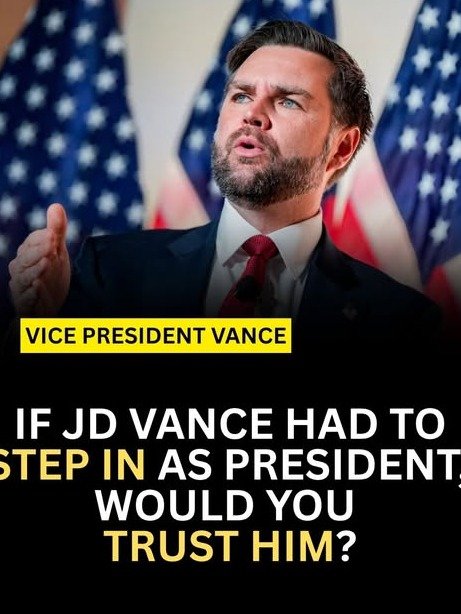
Is the Vice President’s office quietly becoming the epicenter of power in Washington? Recent observations suggest a dramatic shift, with Vice President JD Vance rapidly emerging as one of the administration’s most pivotal figures. His influence, particularly on contentious issues like immigration, is not just growing—it’s actively shaping the nation’s future in ways many are only just beginning to grasp.
For those who have followed his career, Vance’s ascent from author and senator to a key administrative architect might seem swift, yet it’s undeniably profound. He’s no longer just a voice in the Senate; he’s now a primary driver of policy, strategy, and messaging at the highest levels of government. This transformation marks a significant moment, redefining the traditional role of the Vice Presidency.
The Unexpected Rise to Power
JD Vance’s journey to this elevated position has been anything but conventional. Initially known for his bestselling memoir, Hillbilly Elegy, and later as a U.S. Senator for Ohio, Vance quickly established himself as a compelling voice within the conservative movement. However, his current trajectory within the administration indicates a much deeper integration into the core decision-making processes.
Sources close to the White House suggest that Vance has cultivated a unique level of trust and rapport with the President, allowing him to take on responsibilities typically reserved for seasoned cabinet secretaries or close presidential advisors. This trust has translated into tangible influence across a spectrum of critical policy areas, making him an indispensable asset.
Architect of Immigration Policy
Perhaps nowhere is Vance’s burgeoning influence more evident than in the realm of immigration. This issue, a perennial flashpoint in American politics, has seen Vance move from a vocal critic of existing policies to a central figure in crafting and advocating for the administration’s approach. His deep engagement reflects a commitment to addressing what he views as a national crisis.
He has reportedly been instrumental in shaping the administration’s stance on border security, enforcement measures, and even the rhetoric surrounding the issue. This isn’t merely about lending support; it’s about actively contributing to the strategic framework and operational details that dictate how the nation manages its borders and handles new arrivals.
“Vice President Vance brings a unique blend of intellectual rigor and practical understanding to the immigration debate. He’s not just talking about solutions; he’s actively building them,” commented a senior White House aide, highlighting his hands-on approach.
His involvement extends to high-level discussions with federal agencies, direct engagement with border patrol officials, and strategic communications to articulate the administration’s goals to the public. Vance’s imprint is becoming unmistakable on every facet of the immigration agenda, signaling a more aggressive and defined strategy.
Beyond the Border: Expanding Influence
While immigration has been a primary focus, Vance’s influence is far from limited to this single issue. His strategic mind and ability to articulate complex ideas have seen him take on crucial roles in other significant policy debates. This expanded portfolio underscores his rapid ascent and the administration’s growing reliance on his insights.
Reports indicate his involvement in economic policy discussions, particularly those concerning American manufacturing and industrial strategy. Vance has long been an advocate for policies that prioritize domestic production and protect American jobs, a stance that aligns perfectly with the administration’s broader economic vision. His voice is now a powerful one in these critical deliberations.
A Voice for the Working Class
Vance’s background and political philosophy resonate deeply with a significant segment of the American electorate, particularly the working class in the Rust Belt and other industrial regions. His ability to connect with these communities and articulate their concerns has made him a valuable bridge between the administration and its core supporters.
This connection is not just about rhetoric; it’s about shaping policies that directly address the economic anxieties and cultural shifts experienced by these voters. His emphasis on issues like trade, deindustrialization, and the opioid crisis positions him as a champion for those often feeling left behind by globalism and technological change.
- Economic Nationalism: Advocating for policies that protect domestic industries and jobs.
- Cultural Conservatism: Championing traditional values and addressing perceived societal decline.
- Strategic Communications: Effectively articulating the administration’s message to a broad audience.
His deep understanding of these communities allows him to act as a crucial advisor, ensuring that the administration’s policies are not only effective but also politically resonant with its base. This makes him not just a policy wonk, but a strategic political asset.
The Future of the Vice Presidency
Vance’s elevated role also raises interesting questions about the evolving nature of the Vice Presidency itself. Traditionally, the VP’s office has often been seen as a supporting role, but Vance’s active participation in policy formulation and implementation suggests a more empowered and integrated position. This could set a new precedent for future administrations.
His direct involvement in shaping key policy initiatives, rather than merely overseeing them, indicates a shift towards a more proactive and influential Vice President. This dynamic could fundamentally alter how the executive branch operates, placing greater emphasis on the VP’s strategic contributions.
“What we’re witnessing with Vice President Vance is a redefinition of the office. He’s not just a stand-in; he’s a co-pilot, actively steering the ship alongside the President on critical domestic fronts,” observed one political commentator, underscoring the significance of this development.
This increased responsibility also means increased scrutiny. As Vance takes on more visible and impactful roles, his actions and policy stances will undoubtedly become central to national political discourse, cementing his status as a formidable force within the administration and beyond.
Implications for the Political Landscape
The rise of JD Vance as a central figure has significant implications for both the current administration and the broader political landscape. Internally, it signals the President’s trust and a clear direction for key policy areas. Externally, it positions Vance as a key spokesperson and architect of the administration’s agenda, potentially shaping public opinion and political debate.
His growing influence also positions him as a formidable figure for future political endeavors, whether within the current administration or for higher office down the line. His ability to navigate complex policy challenges and effectively communicate the administration’s vision will undoubtedly bolster his profile.
In conclusion, Vice President JD Vance is no longer just a rising star; he is a fully integrated and highly influential leader within the administration. His active role in shaping critical policies, particularly on immigration, and his expanding portfolio across other key issues, mark him as an indispensable force. Ignoring his impact would be to fundamentally misunderstand the current dynamics of power in Washington and the direction of American policy.
As he continues to solidify his position, the nation will undoubtedly see more of Vance’s strategic hand in shaping the future—a future that is increasingly being defined by his vision and influence.
About the Author




