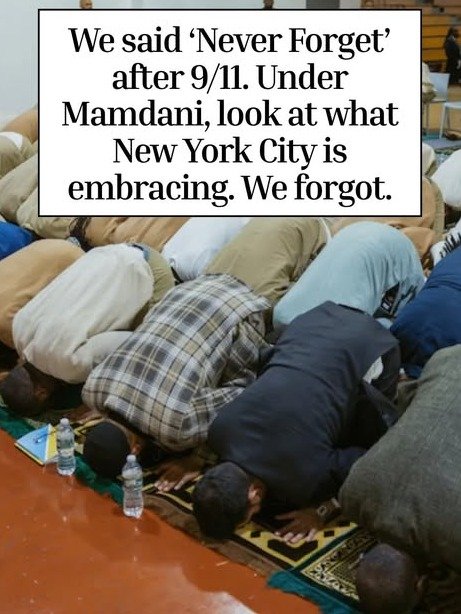
Almost a quarter-century has passed since the devastating attacks of September 11, 2001, yet their shadow stretches far beyond the memorials and annual tributes. While the mantra “Never Forget” rings true, have we truly grasped how deeply 9/11 continues to define our national identity, reshape our security, and fuel the most contentious political debates of our time? It’s a question that demands our attention, even as the generation who remembers that day vividly begins to age, and new generations grapple with its abstract history.
The events of 9/11 didn’t just alter skylines; they irrevocably shifted the very bedrock of American society. From the way we travel to the policies that govern our civil liberties, and even the language we use to discuss global threats, the ramifications are still unfolding. This isn’t merely a historical event; it’s a living legacy that continues to shape our present and future in profound, often invisible, ways.
The Enduring Battle for National Identity
Before 9/11, America’s national identity often revolved around concepts of exceptionalism, individual liberty, and a relative sense of geographic invulnerability. The attacks shattered this illusion, forcing a rapid, often painful, re-evaluation of who “we” are as a nation. A surge of unity and patriotism immediately followed, symbolized by flags flying everywhere and a collective grief that transcended political divides.
However, this initial unity quickly fractured. The “us vs. them” mentality, while initially directed at external threats, soon turned inward. Debates over what it meant to be American became entangled with questions of loyalty, religion, and ethnicity, leading to increased scrutiny and discrimination against certain communities, particularly Muslim Americans. This period highlighted both the best of American resilience and its vulnerabilities to fear and prejudice.
The concept of a shared national narrative became more complex. While many rallied around the idea of a strong, united front against terrorism, others questioned the cost of such unity, particularly when it seemed to come at the expense of core democratic values. The attacks forced a national reckoning with global responsibilities, the limits of power, and the definition of freedom itself.
Security Transformed: From Airports to Algorithms
Perhaps no area saw a more immediate and drastic overhaul than national security. The creation of the Department of Homeland Security, the passage of the Patriot Act, and the dramatic expansion of surveillance powers fundamentally reshaped the relationship between the government and its citizens. Airport security, once a mere formality, transformed into an intricate, often intrusive, process that is now an accepted part of travel.
The “War on Terror” launched an era of prolonged military engagement in Afghanistan and Iraq, with far-reaching geopolitical consequences that continue to destabilize regions and spark new conflicts. Domestically, intelligence agencies gained unprecedented abilities to monitor communications and collect data, sparking ongoing debates about the delicate balance between security imperatives and individual privacy rights.
These measures, initially justified by the urgent need to prevent another attack, have become entrenched. They represent a fundamental shift in how America perceives and mitigates threats. While proponents argue they have successfully averted further large-scale attacks on U.S. soil, critics point to the erosion of civil liberties, the rise of a surveillance state, and the disproportionate impact on marginalized communities. The question of whether these security measures truly make us safer, or simply less free, remains a potent and unresolved discussion.
- Increased Surveillance: The Patriot Act expanded government’s ability to monitor communications.
- TSA & Airport Security: Transformed air travel with new screening protocols.
- Global Military Engagements: Launched long-term wars in Afghanistan and Iraq.
- Department of Homeland Security: Consolidated numerous agencies under one umbrella.
The Complexities of Remembrance
Remembering 9/11 is not a monolithic experience. For those who lived through it, the memories are vivid and personal, etched into their consciousness. For younger generations, it’s a historical event, learned through textbooks, documentaries, and memorials. This generational divide creates a challenge in how the nation collectively “remembers” and learns from that day.
Memorials like the National September 11 Memorial & Museum in New York City, the Pentagon Memorial, and the Flight 93 National Memorial serve as powerful, somber reminders of the lives lost and the heroism displayed. They are sacred spaces designed to honor victims and educate future generations. Yet, even these sites become focal points for reflection on the broader implications of the attacks.
“The act of remembering is not just about looking back; it’s about shaping our present and future. How we narrate 9/11 impacts our understanding of justice, sacrifice, and resilience.”
The narrative around 9/11 is also subject to ongoing interpretation and debate. Should the focus be solely on victimhood and heroism, or should it also encompass the geopolitical context, the policy decisions that followed, and their long-term consequences? These discussions are crucial for a comprehensive understanding, but they often lead to uncomfortable truths and conflicting perspectives. The way we choose to remember reflects our values and priorities as a society.
9/11’s Echo in Modern Political Discourse
Nearly 25 years later, the reverberations of 9/11 continue to influence political conversations across the spectrum. Immigration debates, for instance, often harken back to post-9/11 security concerns, shaping policies and public sentiment. Foreign policy decisions, particularly regarding engagement in the Middle East or counter-terrorism efforts, are still framed through the lens of that fateful day.
The rise of political polarization has also been subtly, yet significantly, impacted by the post-9/11 era. The initial demand for unity gave way to deep divisions over the “War on Terror,” government overreach, and the balance of power. These disagreements laid groundwork for some of the intense ideological battles we see playing out today, where trust in institutions and shared understanding of facts are often in short supply.
Even domestic issues, from government spending to civil liberties, frequently find their roots in the policies and precedents set in the immediate aftermath of 9/11. The language of “national security” can still be invoked to justify controversial measures, demonstrating the enduring power of that traumatic event to shape public opinion and political action. Understanding contemporary politics requires acknowledging this deep-seated, persistent influence.
Looking Ahead: Learning from a Quarter-Century of Impact
As we approach the quarter-century mark since 9/11, it becomes increasingly vital to engage in critical reflection rather than simply rote remembrance. The questions about national identity, security, and the meaning of remembrance are not static; they evolve with each passing year and each new generation. We must ask ourselves not just what happened, but what we learned from it, and how those lessons should guide our path forward.
Engaging with these complex legacies requires an open mind, a willingness to confront uncomfortable truths, and a commitment to democratic values. It means understanding that “Never Forget” is not just a call to remember the victims, but also a call to critically analyze the choices made in the aftermath, and to ensure that the pursuit of security never entirely eclipses the fundamental freedoms and principles upon which the nation was founded.
The shadow of 9/11 may never fully recede, but by continuously examining its profound impact, we can hope to forge a future that is both secure and truly free, honoring the past while building a more resilient and just society for all. The debate continues, and its outcome will ultimately define the America of tomorrow.
About the Author




