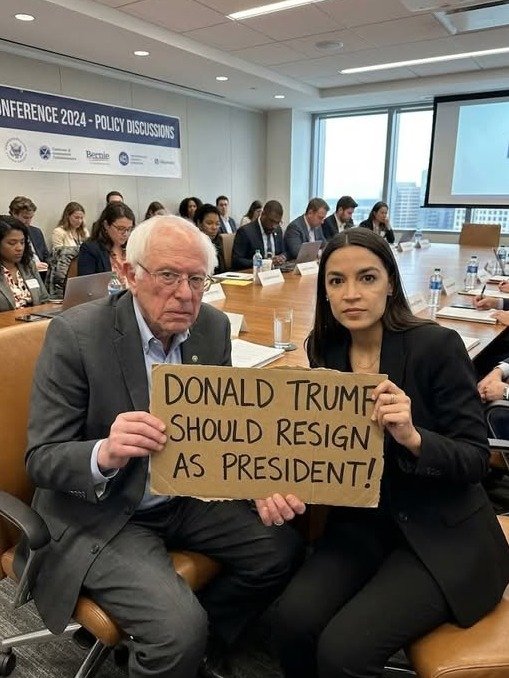
Imagine a world where falling ill doesn’t mean falling into financial ruin. A world where your health isn’t dictated by your bank account balance or the intricacies of an insurance policy. For millions of Americans, this vision remains a distant dream, overshadowed by a healthcare system that many, including prominent figures like Senator Bernie Sanders and Representative Alexandria Ocasio-Cortez, label as morally reprehensible.
In a recent powerful joint appearance, these two progressive firebrands ignited an explosive assault on what they describe as America’s cruel and broken healthcare system. Their impassioned critique isn’t just political rhetoric; it’s a direct challenge to the very foundation of how healthcare is delivered in the United States, sparking a crucial conversation that every citizen needs to engage with.
The Moral Outrage at the Heart of the Debate
Senator Sanders, a long-standing advocate for universal healthcare, did not mince words, declaring the current state of affairs “morally outrageous.” This isn’t a new sentiment from the Vermont senator, but his recent remarks, echoed by the equally fervent Rep. Ocasio-Cortez, underscore a growing frustration with a system that prioritizes profit over people.
Their outrage stems from a stark reality: the United States, despite spending more on healthcare per capita than any other developed nation, consistently ranks poorly in terms of health outcomes and access. Millions remain uninsured or underinsured, leading to delayed treatments, medical debt, and preventable suffering. This paradox is a central pillar of their critique.
“It is morally outrageous that in the wealthiest country in the history of the world, people are dying because they cannot afford the healthcare they need,” Sanders reportedly stated, his voice resonating with years of fighting for this cause. This statement encapsulates the core argument: healthcare should be a fundamental human right, not a commodity.
When Illness Means Bankruptcy: The Crushing Burden of Medical Debt
One of the most devastating consequences of America’s current healthcare model is the epidemic of medical debt. A sudden illness or accident can plunge even financially stable families into bankruptcy, destroying their futures and leaving a legacy of financial hardship. This is a uniquely American problem, virtually unheard of in countries with universal healthcare systems.
Rep. Ocasio-Cortez highlighted the personal stories behind these statistics, emphasizing the human cost. She spoke of individuals forced to choose between life-saving medication and paying rent, or families losing their homes due to astronomical hospital bills. Such stories paint a grim picture of a system that fails its most vulnerable citizens.
“We are talking about people’s lives being destroyed, not by their illness, but by the bills that follow,” Ocasio-Cortez powerfully articulated. “This isn’t just an economic issue; it’s a profound moral failing of our society.”
The duo emphasized that these are not isolated incidents but systemic issues. The fear of medical bills often leads people to avoid necessary doctor visits, screenings, and treatments, turning manageable conditions into severe, life-threatening crises. This proactive avoidance ultimately costs both individuals and the system more in the long run.
The Profit Motive: A Flawed Foundation?
At the core of the progressive critique is the belief that a healthcare system driven by corporate profit can never truly serve the public good. Insurance companies, pharmaceutical giants, and private hospital systems are often accused of prioritizing shareholder returns over patient well-being, leading to inflated prices and restricted access.
Sanders and Ocasio-Cortez argue that the current multi-payer system, with its complex web of private insurers, creates unnecessary administrative bloat and siphons off vast sums that could otherwise be used for patient care. They point to the administrative costs associated with billing, coding, and negotiating with various insurers as a significant drain on resources.
- High Drug Prices: Pharmaceutical companies are often criticized for charging exorbitant prices for medications that are significantly cheaper in other countries.
- Insurance Denials: Patients frequently face denials for necessary treatments or prescriptions, forcing them into lengthy appeals processes while their health deteriorates.
- Lack of Transparency: The opacity of medical billing makes it nearly impossible for consumers to understand the true cost of services, leaving them vulnerable to surprise bills.
These issues, they contend, are not bugs in the system but features of a design flawed by its inherent profit-seeking nature. They believe that fundamental change, not incremental adjustments, is required to rectify this.
A Call for Universal Healthcare: The “Medicare for All” Vision
Both Sanders and Ocasio-Cortez are staunch proponents of a “Medicare for All” system, a single-payer model that would replace private insurance with a comprehensive government-funded program. They argue this would streamline administration, negotiate lower drug prices, and ensure that every American has access to the care they need, regardless of income or employment status.
The vision is clear: a system where hospitals and doctors focus solely on patient care, free from the bureaucratic headaches and financial pressures imposed by multiple private insurers. It’s a bold proposal, one that faces significant political opposition but continues to gain traction among a frustrated populace.
They often cite the success of universal healthcare systems in countries like Canada, the UK, and most of Europe, where citizens enjoy better health outcomes and lower out-of-pocket costs. For them, these examples prove that a more equitable and efficient system is not only possible but already functioning effectively elsewhere.
The Political Battle Ahead: Why This Fight Matters
The push for universal healthcare is not just a policy debate; it’s a deeply entrenched political battle. Opponents, including many Republicans and some moderate Democrats, argue that “Medicare for All” is too expensive, would lead to long wait times, and would stifle innovation in the private sector.
However, Sanders and Ocasio-Cortez counter these arguments by pointing out the hidden costs of the current system – the medical bankruptcies, the premature deaths, and the economic drain on productivity when people are too sick to work. They believe the long-term savings and societal benefits of a healthier populace far outweigh the initial investment.
Their joint appearance serves as a potent reminder that the fight for healthcare reform is far from over. It’s a critical issue that touches every American family, and the progressive wing of the Democratic party is determined to keep it at the forefront of national discourse.
What’s Next? Empowering the Public to Demand Change
The “morally outrageous” label applied to the American healthcare system by Sanders and Ocasio-Cortez is more than just a soundbite. It’s a rallying cry, an invitation for citizens to examine the system critically and demand better. Their message is clear: the status quo is unsustainable, and fundamental change is not just a political aspiration, but a moral imperative.
As the debate continues to unfold, the public’s understanding and engagement will be crucial. Learning about the alternatives, understanding the true costs of the current system, and advocating for change are essential steps toward a future where healthcare is truly a right, not a privilege. The fiery assault on America’s healthcare system by these progressive leaders is designed to spark that very movement.
Ultimately, the question remains: will America choose to continue down a path where health is a luxury, or will it embrace a future where everyone has access to the care they need to live a healthy, fulfilling life? The moral outrage expressed by Sanders and AOC is a potent signal that this choice is more urgent than ever.
About the Author




