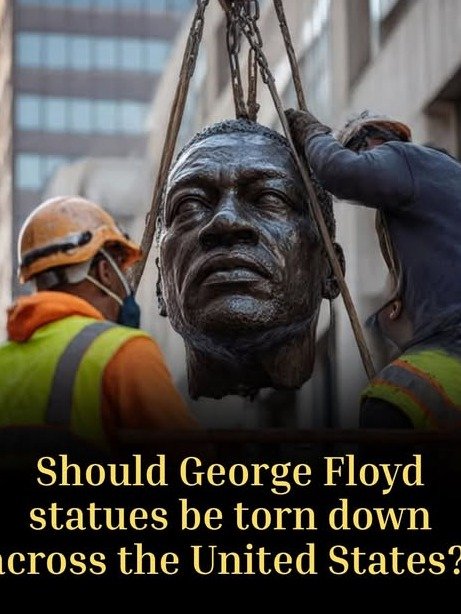
Imagine walking through your city, past a statue you’ve always taken for granted. What if that monument, once seen as a symbol of pride, is now viewed by many as a painful reminder of injustice? This isn’t a hypothetical scenario; it’s a real, often heated, conversation unfolding in communities worldwide, forcing us to confront difficult questions about our past and present.
The debate around public statues and memorials is once again gaining significant traction, evolving from academic discussions to front-page news. As societies evolve, so too does our understanding of history and the figures we choose to immortalize in bronze and stone. What we celebrate in public spaces reflects our collective values, and when those values shift, so does the lens through which we view our historical landscape.
The Shifting Sands of Memory: Why Now?
For centuries, monuments have served as tangible links to the past, commemorating historical events, influential figures, and national narratives. They were erected with specific intentions, often reflecting the dominant power structures and cultural norms of their time. These structures were meant to inspire, educate, and unify, but their meanings are rarely static.
In recent years, a powerful global reckoning with historical injustices, particularly concerning colonialism, slavery, and systemic discrimination, has brought many long-standing monuments under intense scrutiny. What one generation saw as a hero, another might now see as an oppressor. This re-evaluation isn’t about erasing history, but rather about challenging whose history is being told and how it’s being presented in our shared public squares.
Whose Story Do We Tell? The Core of the Conflict
At the heart of the monument debate lies a fundamental question: whose stories deserve a place of honor in our public spaces? Critics argue that many existing monuments glorify figures who committed atrocities, perpetuated discriminatory systems, or symbolize periods of oppression. They contend that these statues can be deeply hurtful and exclusionary for marginalized communities, perpetuating historical trauma rather than fostering unity.
For example, statues of figures associated with slavery or colonial violence often stand in stark contrast to the values of equality and human rights that many contemporary societies strive to uphold. To some, these monuments are not just historical artifacts but active symbols that continue to inflict pain and reinforce outdated power dynamics.
“Monuments are not neutral. They are powerful statements about who we are, what we value, and what narratives we choose to elevate. When these narratives cause harm, we have a responsibility to address them.” – Dr. Anya Sharma, Cultural Historian.
The Case for Preservation: History, Art, and Warning
On the other side of the argument are those who advocate for the preservation of existing monuments, often citing concerns about historical erasure. They argue that removing statues, even controversial ones, risks sanitizing history and forgetting uncomfortable truths. From this perspective, monuments serve as important reminders of the past, both good and bad, and can offer valuable lessons about where we’ve come from.
Some believe that removing statues sets a dangerous precedent, a “slippery slope” that could lead to the removal of countless other historical artifacts. Others emphasize the artistic and architectural merit of certain monuments, seeing them as integral parts of a city’s cultural heritage, regardless of the figure they depict. They suggest that instead of removal, these monuments should be recontextualized.
Beyond Removal: Rethinking Our Public Spaces
The monument debate is rarely about a simple “remove or keep” binary. Communities are exploring a range of nuanced solutions that aim to acknowledge complex histories without erasing them entirely. These approaches recognize that public spaces can be dynamic classrooms for understanding our past.
- Recontextualization: Adding new plaques, signs, or digital installations that provide a fuller, more critical historical context for the monument. This allows for a multi-faceted understanding of the figure or event, including their problematic aspects.
- Relocation: Moving controversial statues from prominent public squares to museums or specialized historical parks where they can be displayed with appropriate educational interpretation.
- New Counter-Monuments: Erecting new statues or memorials that offer alternative narratives, honor previously overlooked figures, or represent the experiences of marginalized communities, creating a more inclusive public landscape.
- Artistic Intervention: Temporarily or permanently transforming existing monuments through art installations, projections, or performances that challenge their original meaning and spark public dialogue.
The Power of Dialogue: Community Engagement
Crucially, the most effective solutions often emerge from robust, inclusive community dialogue. These conversations can be challenging, requiring open minds, empathy, and a willingness to confront uncomfortable truths. Public forums, citizen panels, and expert consultations are becoming vital tools for navigating these complex issues, ensuring that diverse voices are heard and considered.
When communities engage in these discussions, they are not just deciding the fate of a statue; they are actively shaping their collective identity and future. They are asking: What kind of history do we want to live with? What values do we want our public spaces to embody for generations to come? This process can be slow and fraught with disagreement, but it is essential for building a more representative and equitable public sphere.
The Future of Our Memorial Landscape
The monument debate is far from over. It reflects a deeper societal shift towards a more critical and inclusive understanding of history. As we move forward, our public spaces will likely become more dynamic, reflecting the ongoing evolution of our values and our commitment to telling a more complete, honest story of humanity.
Whether through removal, recontextualization, or the creation of new memorials, the conversations we’re having today are fundamentally reshaping how we interact with our past. The goal isn’t to forget history, but to learn from it, acknowledge its complexities, and ensure that our public monuments truly represent the aspirations of all members of society, not just a select few.
So, the next time you pass a public statue, take a moment. Consider its history, its meaning, and the ongoing conversation it might be sparking. Because these silent sentinels of stone and bronze are anything but silent; they are at the very heart of a powerful debate about who we are, and who we aspire to be.
About the Author




