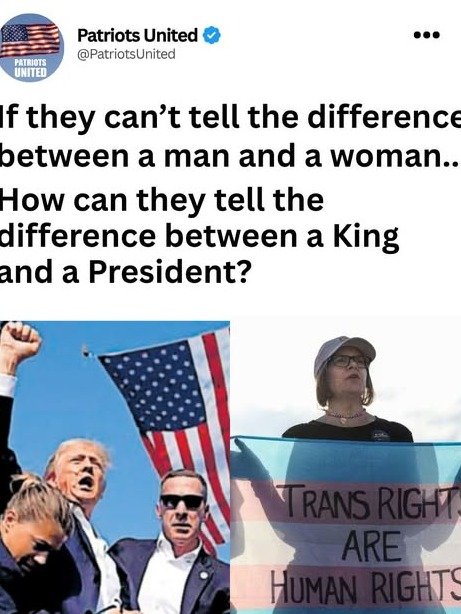
Imagine a world where the very foundations of authority are being questioned, not just by a few disgruntled voices, but by millions taking to the streets. Across continents, a powerful wave of dissent is challenging established norms, echoing a sentiment that could be summarized as ‘No Kings’ – a rejection of unchecked power and unresponsive systems.
From bustling city squares to quiet digital forums, the lines between traditional politics and popular protest are blurring. This isn’t merely about policy disagreements; it’s a profound re-evaluation of who governs, how they govern, and what truly defines a nation’s identity in an increasingly interconnected yet fractured world. The stakes couldn’t be higher, as these movements threaten to reshape societies from the ground up.
The Roar of Discontent: Why Citizens Are Rising Up
In an era often characterized by political polarization and disillusionment, protest movements have emerged as a powerful, albeit often chaotic, force for change. The ‘No Kings’ ethos, whether articulated explicitly or implicitly, represents a deep-seated frustration with perceived injustices, corruption, and a lack of accountability from those in power. It’s a cry for a more equitable distribution of power and a more representative form of governance.
Many citizens feel that traditional political channels have become unresponsive, failing to address their concerns or to genuinely represent their interests. This disillusionment fuels a desire for direct action, transforming public spaces into arenas where grievances are aired and demands for systemic change are amplified. The streets become the new parliament, challenging the exclusive authority of established institutions.
Identity Under Scrutiny: Who Are ‘We’ Anyway?
At the heart of many contemporary protests lies a fierce debate over identity. Movements often coalesce around shared cultural, ethnic, or ideological bonds, challenging narrow definitions of national identity imposed by existing power structures. These groups demand recognition, inclusion, and a voice in shaping the collective future.
The concept of ‘identity politics’ isn’t new, but its prominence in protest movements has intensified. Whether it’s indigenous rights, racial justice, gender equality, or regional autonomy, these movements force societies to confront uncomfortable questions about who truly belongs, whose history is celebrated, and whose future is prioritized. The ‘No Kings’ sentiment here implies a rejection of any authority that seeks to diminish or erase diverse identities within a state.
“When people take to the streets, they are not just protesting policies; they are often protesting the very definition of their nation and their place within it. It’s a battle for the soul of identity.”
Governance in Crisis: Demands for a New Order
Beyond identity, the fundamental structures of governance are being rigorously questioned. Protesters are not just asking for better policies; they are often demanding fundamental reforms to the way power is exercised. This can range from calls for greater transparency and accountability to outright demands for constitutional changes or the overthrow of authoritarian regimes.
The perceived failures of existing governance models – be it entrenched corruption, economic inequality, environmental negligence, or a lack of democratic participation – ignite these movements. The ‘No Kings’ slogan becomes a metaphor for dismantling any system seen as inherently unjust or undemocratic, regardless of its official designation. Citizens are seeking systems that are truly responsive and serve the populace, not just a select few.
Key demands often include:
- Increased Transparency: Demands for open government and an end to secrecy.
- Accountability: Holding leaders responsible for their actions and decisions.
- Electoral Reform: Pushing for fairer voting systems and reduced political influence.
- Decentralization of Power: Advocating for more local control and less centralized authority.
- Protection of Human Rights: Ensuring fundamental freedoms and protections for all citizens.
The Clash: Street Action vs. Political Institutions
The tension between street protests and established political processes is a defining feature of our time. While protests can be powerful catalysts for change, they also pose significant challenges to the stability of political institutions. Traditional politics relies on negotiation, compromise, and legislative processes, which often move slowly.
Protest movements, by contrast, demand immediate attention and often operate outside these formal channels. This creates a dynamic where governments are forced to react, sometimes with concessions, sometimes with repression. The ‘No Kings’ movements highlight this fundamental conflict: can the existing political system absorb and respond to such radical demands, or will it be forced to break?
This friction raises critical questions about the nature of democracy itself. Are protests a vital expression of democratic freedom, a necessary check on power, or do they risk undermining the very institutions designed to manage societal conflict peacefully? The answer often depends on the specific context and the willingness of both sides to engage in meaningful dialogue.
The Digital Echo Chamber: Amplifying Dissent
The advent of social media has undeniably transformed the landscape of protest. Platforms like Twitter, Facebook, and TikTok serve as powerful tools for organizing, mobilizing, and disseminating information at unprecedented speeds. A local grievance can quickly become a global phenomenon, drawing international attention and solidarity.
However, the digital realm also presents its own set of challenges. While it can amplify voices, it can also create echo chambers, spread misinformation, and make movements vulnerable to external manipulation. The ‘No Kings’ message, once a localized chant, can now trend globally, creating a collective consciousness of resistance that transcends borders.
The Unfolding Consequences: What Comes Next?
When debates over identity, governance, and political authority collide in the public square, the consequences are far-reaching. These movements can lead to significant reforms, fostering more inclusive and responsive societies. They can force governments to address long-standing injustices and empower marginalized communities.
However, the path is rarely smooth. Protests can also lead to instability, violence, and even greater polarization. In some cases, governments respond with increased authoritarianism, suppressing dissent rather than engaging with it. The outcome often hinges on the resilience of civil society, the responsiveness of political leaders, and the broader geopolitical context.
The ‘No Kings’ movements, in all their varied forms, are a clear signal that a significant portion of the global populace is no longer content with the status quo. They are demanding a fundamental re-evaluation of power, purpose, and participation. This ongoing societal reckoning is not just a passing trend; it is a profound shift that will continue to shape the political landscape for years to come.
Embracing Dialogue in an Era of Disruption
Ultimately, the collision of protests and politics forces us to confront uncomfortable truths about our societies. It highlights the urgent need for open dialogue, genuine engagement, and a willingness from all sides to listen and adapt. The ‘No Kings’ cry is not necessarily a call for anarchy, but often a desperate plea for systems that truly serve the people, reflect their diverse identities, and uphold legitimate authority through consent, not coercion.
As these powerful demonstrations continue to unfold, the world watches to see if established powers can evolve and embrace the demands for change, or if the relentless tide of public dissent will ultimately carve entirely new paths for identity, governance, and the very concept of political authority. The future remains unwritten, but it is undoubtedly being shaped, moment by moment, in the streets and squares where millions are declaring their unwavering resolve.
About the Author




