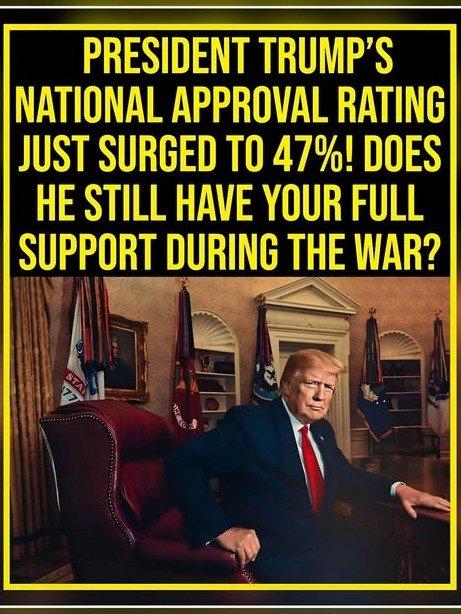
Forget what the mainstream narrative might suggest. A quiet, yet powerful, shift appears to be underway in American political sentiment. Recent polling data reveals a surprising trend: former President Donald Trump’s approval rating is reportedly on the rise, with some surveys placing it as high as 47%.
This isn’t just a statistical blip; it’s a development that demands closer examination, sparking intense debate and speculation across the political spectrum. What exactly is fueling this unexpected surge in support, and what implications does it hold for the nation’s political future?
The Surprising Rise in Approval
For many observers, the idea of a significant uptick in former President Trump’s approval might come as a surprise. Yet, various reputable polling organizations have begun to report a noticeable increase, moving his favorability numbers closer to or even exceeding the crucial 50% mark among certain demographics. This movement signals a potential recalibration of public opinion that warrants deeper analysis.
While specific numbers fluctuate between different polls due to methodology, sample size, and timing, the general direction points upwards. This consistent trend across multiple independent surveys suggests that a segment of the electorate, perhaps a ‘silent majority’ or a newly energized base, is expressing renewed confidence or satisfaction with the former president.
What’s Driving the Momentum? Supporters Weigh In
So, what are the underlying factors contributing to this apparent surge in approval? Supporters of former President Trump often point to a confluence of issues and policy stances that they believe resonate strongly with a broad swathe of the American public. These reasons span economic concerns, foreign policy approaches, and a general sense of political direction.
Many attribute the rise to a perceived strength in economic policy. During his presidency, supporters often highlighted deregulation, tax cuts, and robust employment figures (pre-pandemic) as evidence of his ability to foster prosperity. As current economic anxieties persist, some voters may look back at those policies with a sense of nostalgia or renewed appreciation, believing Trump offers a clearer path to financial stability.
“He knows how to get things done for the American worker. We saw it before, and we believe he can do it again,” one long-time supporter was quoted saying. “It’s about putting America first, and that includes our economy.”
Another significant factor is his distinctive approach to foreign policy and national security. His ‘America First’ doctrine, characterized by a willingness to challenge established international norms and prioritize domestic interests, continues to appeal to a base that feels previous administrations neglected American sovereignty and economic interests abroad. His tough stance on trade with China and efforts to broker new peace deals in the Middle East are often cited as successes.
Immigration and Border Security
The issue of immigration and border security remains a potent motivator for many of Trump’s supporters. His consistent emphasis on building a wall, increasing border patrol resources, and stricter enforcement of immigration laws has always been a cornerstone of his appeal. As concerns over border crossings and national security continue to dominate headlines, his unwavering stance on these issues likely resonates more strongly with voters.
For those who prioritize a secure border, Trump’s past actions and future promises offer a clear and decisive approach. This perceived strength and commitment to what they view as essential national security measures could be a significant driver of his increasing approval ratings, particularly among demographics deeply concerned about these issues.
Judicial Appointments and Conservative Values
The impact of his judicial appointments cannot be overstated for a significant portion of his base. The successful appointment of numerous conservative judges to federal courts, including three Supreme Court justices, was a monumental achievement for many Republicans and social conservatives. These appointments are seen as a lasting legacy that will shape the country’s legal landscape for generations.
For voters who prioritize conservative legal interpretations and the protection of specific constitutional rights, these appointments represent a fulfillment of promises and a victory for their values. This long-term impact often fosters a deep sense of loyalty and approval, as it addresses core ideological concerns that transcend day-to-day political headlines.
The Power of Direct Communication and Perceived Strength
Beyond policy, Trump’s unique communication style and perceived strength continue to captivate his base. His rallies, social media presence, and direct addresses are often seen by supporters as authentic and refreshing, a stark contrast to more traditional political rhetoric. They appreciate his willingness to challenge what they view as biased media and political establishments.
This direct engagement fosters a powerful sense of connection and loyalty. For many, he embodies a strong, decisive leader willing to fight for their interests, even if it means defying conventional political correctness. This personal connection, often reinforced by a feeling of being understood and represented, can translate directly into higher approval numbers.
Understanding Polling Dynamics and Nuance
It’s crucial to understand that polling is a snapshot in time and can be influenced by various factors. While the upward trend is notable, different methodologies can yield different results. Factors like sample size, the demographic composition of respondents, whether ‘likely voters’ or ‘registered voters’ are surveyed, and the specific questions asked all play a role.
Political scientists and analysts often scrutinize these details to provide a more comprehensive picture. A 47% approval rating, while significant, still indicates a divided electorate. However, even a few percentage points of movement can have profound implications in a closely contested political environment.
- Methodology Matters: Different pollsters use varying techniques, leading to slight discrepancies.
- Demographic Shifts: Changes in support among key voting blocs can drive overall numbers.
- Current Events: Ongoing national and international events can significantly sway public opinion.
The Political Landscape and Future Implications
This reported increase in approval rating holds significant implications for the future political landscape. For one, it suggests that despite leaving office, former President Trump remains a highly influential figure within the Republican party and a potent force in national politics. It also indicates that his core base remains robust and potentially expanding.
If this trend continues, it could embolden his political activities, influence upcoming elections, and potentially reshape the strategies of both Republican and Democratic parties. A leader with consistently high approval ratings, even out of office, commands significant attention and wields considerable power in shaping public discourse and electoral outcomes.
Looking Ahead: What Could Sustain or Shift This Trend?
The sustainability of this upward trend will depend on a multitude of factors. Ongoing national and global events, the performance of the current administration, and the evolving political narratives will all play a critical role. For supporters, continued economic challenges, perceived governmental overreach, or a desire for a strong, decisive leader could further solidify their backing.
Conversely, unforeseen events, shifts in public priorities, or new political developments could alter the trajectory. Regardless, the current data points to a dynamic and evolving political environment where the former president’s influence continues to be a central and undeniable force. Keeping an eye on these numbers is essential for anyone seeking to understand the pulse of American politics.
The reported surge in former President Trump’s approval rating is more than just a statistic; it’s a reflection of complex political undercurrents and deeply held beliefs among a significant portion of the American populace. It underscores the enduring appeal of his platform and personality, setting the stage for potentially dramatic shifts in the nation’s political future.
As the political landscape continues to evolve, these approval numbers will serve as a crucial barometer, indicating the direction of public sentiment and the enduring power of a figure who continues to defy conventional political expectations.
About the Author




