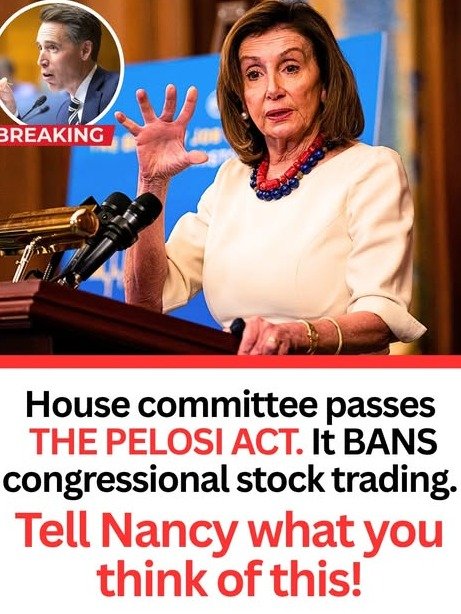
Ever feel like something is fundamentally broken? That despite our best efforts, progress is often stalled, and resources vanish into thin air? The truth is, a silent saboteur is at work, undermining the very foundations of our societies, economies, and trust in leadership.
This insidious force is corruption, and it’s far more pervasive and damaging than many realize. It’s not just about a few bad apples; it’s about systemic decay that robs citizens of their future, stifles innovation, and poisons public faith. That’s why the urgent call to hold corrupt officials accountable isn’t just a moral plea—it’s an absolute necessity for our collective survival and prosperity.
The Hidden Cost of Corruption: More Than Just Money
When we talk about corruption, it’s easy to focus on the financial aspect – the stolen funds, the illicit enrichment. But the true cost extends far beyond mere monetary losses. Corruption erodes public trust, distorts markets, stifles economic growth, and undermines the rule of law itself.
Imagine hospitals without essential equipment, schools without proper funding, or roads riddled with potholes – all because funds meant for these crucial services were diverted into private pockets. This isn’t just a hypothetical scenario; it’s the stark reality in countless communities worldwide, directly impacting the quality of life for millions.
Defining the Enemy: What Exactly Is Corruption?
Corruption isn’t a monolithic entity; it manifests in various forms, each equally damaging. At its core, it involves the abuse of entrusted power for private gain. This can range from petty bribery to grand embezzlement, from nepotism to influence peddling.
- Bribery: Offering or accepting something of value in exchange for an advantage.
- Embezzlement: Misappropriating funds or assets entrusted to one’s care.
- Nepotism/Cronyism: Favoring family or friends, especially by giving them jobs.
- Abuse of Power: Using one’s official position to unfairly benefit oneself or others.
- Extortion: Obtaining something through force or threats.
Understanding these different facets helps us recognize the problem when we see it and develop targeted strategies to combat it effectively. It’s a complex web, but each strand weakens the fabric of society.
Why Accountability Isn’t Optional – It’s Essential
The fight against corruption isn’t just about punishment; it’s about prevention and deterrence. When corrupt officials are allowed to operate with impunity, it sends a clear message: crime pays. This fosters a culture of dishonesty, where integrity is seen as a weakness and illicit gain as the norm.
Holding officials accountable restores faith in institutions, reinforces the rule of law, and ensures that public resources are used for their intended purpose: the betterment of society. It’s about upholding the fundamental principles of justice and fairness that underpin any healthy democracy.
“Corruption is a cancer: a cancer that eats away at a citizen’s faith in democracy, diminishes the instinct for innovation and creativity; it’s an evil that’s difficult to eradicate because it adapts and changes in response to every effort made to remove it.” – Joe Biden
The Uphill Battle: Challenges in Achieving True Accountability
Despite the clear need, achieving true accountability for corrupt officials is often an arduous task. Those who benefit from corruption are typically powerful, well-connected, and adept at manipulating systems to protect themselves. They can exploit legal loopholes, intimidate witnesses, and even control the very institutions meant to oversee them.
Lack of transparency is another major hurdle. When government operations are shrouded in secrecy, it becomes incredibly difficult to track funds, identify conflicts of interest, and expose wrongdoing. This opacity creates fertile ground for corruption to flourish unchecked, making the public’s role in oversight even more vital.
Empowering the Watchdogs: Key Mechanisms for Accountability
So, how do we turn the tide? It requires a multi-faceted approach, leveraging various institutions and societal forces to act as watchdogs. No single solution is a silver bullet, but together, they form a robust defense against corruption.
1. A Strong and Independent Judiciary
At the heart of any effective anti-corruption framework lies an independent judiciary. Judges and prosecutors must be free from political interference and intimidation to investigate, prosecute, and convict corrupt individuals, regardless of their position or influence. Without this independence, justice becomes a tool of the powerful rather than a shield for the public.
Robust anti-corruption laws, coupled with well-trained and ethical legal professionals, are non-negotiable. These laws need to be comprehensive, covering all forms of corruption, and their enforcement must be consistent and impartial to truly deter illicit activities.
2. The Unsung Heroes: Whistleblowers
Often, the first glimpse into corrupt practices comes from within – from brave individuals willing to expose wrongdoing at great personal risk. Whistleblowers are critical to uncovering hidden corruption, yet they frequently face retaliation, job loss, and even threats to their safety.
Protecting whistleblowers through strong legal frameworks and support systems is paramount. Societies must create an environment where individuals feel safe and empowered to come forward, knowing they will be shielded from adverse consequences for doing the right thing. Their courage is often the spark that ignites investigations.
3. The Fourth Estate: Investigative Journalism
A free and vibrant press plays an indispensable role in holding power accountable. Investigative journalists delve deep into complex issues, uncover hidden truths, and bring stories of corruption to public light. Their work can expose financial misdealings, conflicts of interest, and abuses of power that might otherwise remain concealed.
By informing the public, the media creates pressure for action and fosters a culture of transparency. However, journalists themselves often face threats, censorship, and legal challenges, underscoring the importance of protecting press freedom as a cornerstone of anti-corruption efforts.
4. The Power of the People: Civil Society and NGOs
Beyond formal institutions, civil society organizations (CSOs) and non-governmental organizations (NGOs) are powerful agents of change. They monitor government activities, advocate for reforms, raise public awareness, and provide platforms for citizens to engage in the fight against corruption.
These groups often work on the ground, empowering communities and giving a voice to those most affected by corruption. Their independent perspective and ability to mobilize public opinion are crucial in pushing for greater transparency and accountability from officials.
5. The Ballot Box: Electoral Accountability
Ultimately, citizens hold the power to elect and remove officials. Regular, free, and fair elections are a fundamental mechanism for accountability. Voters can choose to support candidates committed to transparency and integrity, and penalize those who fail to uphold these values.
However, this mechanism is only effective if voters are well-informed, and if the electoral process itself is free from corruption and manipulation. Voter education and protecting the integrity of elections are therefore vital components of broader anti-corruption strategies.
Your Role in the Fight: Demanding a Better Future
It’s easy to feel overwhelmed by the scale of corruption, but individual actions, when multiplied, create immense collective power. You don’t have to be a whistleblower or an investigative journalist to make a difference. Every citizen has a role to play in demanding accountability.
- Stay Informed: Understand local and national issues, follow investigative reports, and question official narratives.
- Demand Transparency: Advocate for open government, access to public information, and clear reporting on public funds.
- Support Anti-Corruption Efforts: Lend your voice or resources to CSOs and NGOs working to combat corruption.
- Vote Wisely: Research candidates thoroughly and support those with a proven track record of integrity and a commitment to fighting corruption.
- Report Suspicions: If you encounter or suspect corruption, know how to report it through official channels or to trusted organizations.
The fight for accountability is not a one-time event; it’s a continuous process that requires sustained vigilance and active participation from all segments of society. It’s about building a culture where corruption is not tolerated, and integrity is celebrated.
Looking Ahead: Building a Future Free from Corruption
The global landscape of accountability is constantly evolving. Technological advancements, such as blockchain for transparent transactions and AI for anomaly detection in financial data, offer new tools in the fight against corruption. International cooperation is also becoming increasingly vital, as corruption often transcends national borders.
However, technology and international agreements are only as effective as the political will and public commitment behind them. The core challenge remains fostering a collective mindset that values transparency, integrity, and justice above all else.
The Unending Vigilance Required
The initial Facebook post, simple as it was, hit upon a profound truth: “Well THAT needed doing. We need to keep holding corrupt officials accountable, too!” This isn’t just a fleeting sentiment; it’s a timeless call to action. The work of accountability is never truly finished, because the forces of corruption are always seeking new avenues to exploit.
It requires unending vigilance, courage, and a persistent belief that a better, more equitable future is possible. By actively participating, demanding transparency, and supporting the mechanisms that hold power in check, we can collectively ensure that those who abuse their positions are brought to justice, and that the foundations of our societies remain strong and untainted.
About the Author




