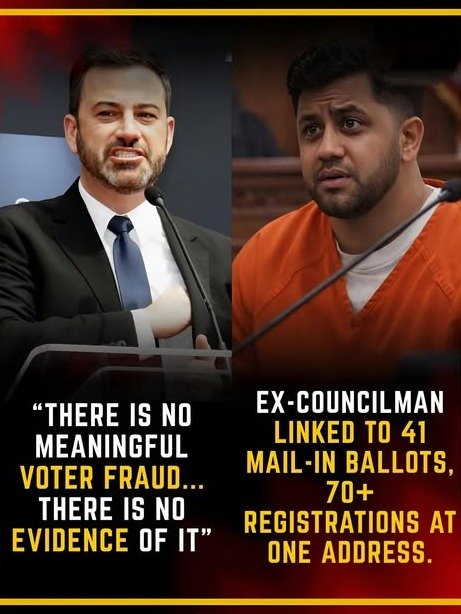
Is the very bedrock of our democracy, free and fair elections, truly secure? In California, a state known for its progressive policies and vast electorate, persistent questions have emerged regarding the integrity of ballots and voter registrations. These concerns aren’t just whispers; they demand a closer look, compelling every informed citizen to understand the facts and the implications for our future.
Ignoring these discussions is no longer an option. The trust we place in our electoral system is paramount, and when doubts arise, it’s our collective responsibility to seek clarity, examine the evidence, and ensure that every legitimate vote counts. This article will delve into the specific issues that have fueled these debates in California, exploring the intricacies of our voting processes and empowering you with the knowledge to navigate this critical conversation.
The Foundation of Democracy: Why Election Integrity Matters
Our democratic process hinges entirely on the public’s unwavering faith in the fairness and accuracy of elections. When citizens doubt the legitimacy of election outcomes, it erodes trust in government institutions, voter participation can decline, and the very stability of our society is threatened. This is why discussions around election integrity, while often contentious, are fundamentally important.
Maintaining election integrity means ensuring that every eligible voter can cast their ballot freely and securely, and that every ballot is counted accurately and transparently. It’s about preventing any form of undue influence or illegal activity that could skew results, upholding the principle of ‘one person, one vote.’ Without this integrity, the voice of the people becomes muted, and the democratic ideal falters.
Unpacking the “Voter Fraud” Debate: Definitions and Distinctions
The term “voter fraud” is often used broadly, but it’s crucial to understand its specific meaning and differentiate it from other election irregularities. Voter fraud typically refers to intentional, illegal acts committed by voters or election officials to influence an election’s outcome. This can include impersonation, double voting, ballot harvesting, or tampering with machines.
However, many issues that raise questions are often election irregularities – mistakes, administrative errors, or system glitches that are not necessarily intentional fraud. These can include issues with voter roll maintenance, incorrect ballot deliveries, or procedural missteps. While these irregularities need to be addressed, they are distinct from deliberate criminal acts of fraud and usually do not indicate a widespread conspiracy.
California’s Specific Concerns: Ballots and Registrations Under Scrutiny
California, with its massive population and diverse voting methods, has seen its share of scrutiny regarding election processes. Some of the most frequently raised questions revolve around the accuracy of voter registration rolls and the security of mail-in ballots.
One common area of concern involves voter roll maintenance. Allegations have surfaced about deceased individuals remaining on voter rolls, or people registered at multiple addresses, or even non-citizens being registered. While election officials regularly update these rolls, the sheer scale of California’s electorate can make this a continuous and challenging task, leading to questions about the timeliness and thoroughness of these updates.
“Ensuring clean voter rolls is a perpetual challenge for every state, but particularly for a large, transient state like California. It requires constant vigilance and sophisticated data management.” – Election Integrity Advocate
Another focal point has been the widespread use of mail-in ballots, especially since the COVID-19 pandemic made them the primary method of voting for many. While convenient, some argue that mail-in ballots are more susceptible to certain types of fraud, such as ballot harvesting (where third parties collect and submit ballots) or issues with signature verification. Concerns are also raised about the chain of custody for these ballots once they leave the voter’s hands.
- Mail-in Ballot Security: Questions about signature matching consistency, ballot collection practices, and the potential for lost or mishandled ballots.
- Voter Registration Accuracy: Debates over the inclusion of inactive or deceased voters on registration lists, and the timely removal of duplicate registrations.
- Provisional Ballots: Scrutiny over the process for provisional ballots, which are used when a voter’s eligibility is in question at the polls, and how these are ultimately verified or rejected.
It’s important to note that election officials consistently state that robust safeguards are in place to address these concerns. However, the public discourse often highlights specific instances or anomalies that fuel broader skepticism, underscoring the need for clear communication and transparency.
The Mechanisms of Election Security in California
Despite the questions raised, California has a comprehensive framework designed to secure its elections. These mechanisms are constantly evolving, with election officials working to incorporate new technologies and best practices to safeguard the vote.
Signature verification is a key component of mail-in ballot security. When a mail-in ballot is received, the signature on the return envelope is compared to the signature on file for that voter. If there isn’t a match, the voter is contacted and given a chance to verify their signature. This process aims to prevent fraudulent ballots from being counted.
Additionally, California employs post-election audits. After an election, a percentage of ballots are manually recounted and compared to machine counts to ensure accuracy. These audits, often conducted publicly, serve as a critical check on the voting machines and the counting process. Many counties also conduct risk-limiting audits, a more statistically robust method to ensure accuracy.
Voter registration rolls are also subject to regular maintenance. California participates in interstate data-sharing programs, like the Electronic Registration Information Center (ERIC), to identify and remove duplicate registrations and update voter addresses. While no system is perfect, these efforts are continuously underway to keep the rolls as clean as possible.
Separating Fact from Fiction: The Role of Evidence and Investigation
In an age of rapid information dissemination, distinguishing between credible reports and unsubstantiated claims is more critical than ever. When questions about voter fraud arise, it’s essential to look for verifiable facts and rely on official investigations rather than rumors or social media speculation.
Claims of widespread voter fraud often lack the necessary evidence to support them. While isolated incidents of illegal voting do occur – and are prosecuted – they rarely impact the overall outcome of an election. When concerns are legitimate, they are typically investigated by law enforcement agencies, District Attorneys, or the Secretary of State’s office, leading to arrests and convictions if fraud is proven.
“Voter fraud is a serious crime, and when evidence emerges, we investigate it thoroughly and prosecute offenders to the fullest extent of the law. Maintaining public trust means holding those who undermine our elections accountable.” – Statement from a California District Attorney’s office.
It’s vital for citizens to be discerning consumers of information. Look for reports from reputable news organizations, official government sources, and non-partisan election watchdog groups. Be wary of sources that present allegations without evidence or that promote sensationalized narratives without factual backing.
The Impact of Misinformation and Disinformation on Public Trust
Beyond actual fraud, the spread of misinformation and disinformation poses a significant threat to election integrity. Misinformation refers to false or inaccurate information, regardless of intent, while disinformation is deliberately misleading or biased information, often propagated to manipulate public opinion or sow discord.
When false claims about election fraud are widely circulated, even if debunked, they can erode public confidence in the electoral system. This erosion of trust can lead to decreased voter turnout, increased political polarization, and a general cynicism towards democratic processes. It creates an environment where legitimate concerns become harder to distinguish from unfounded conspiracy theories.
Combating misinformation requires a collective effort: from social media platforms taking responsibility for content, to news organizations prioritizing accuracy, and crucially, to individual citizens practicing critical thinking and verifying information before sharing it. The health of our democracy depends on a well-informed populace.
What You Can Do: Empowering the Informed Voter
As a voter, you have a crucial role to play in upholding election integrity and staying informed. Your active participation and vigilance are among the strongest safeguards against any form of electoral malfeasance.
- Verify Your Registration: Regularly check your voter registration status and ensure your address and contact information are up-to-date. Websites like the California Secretary of State’s office provide easy tools for this.
- Understand Voting Processes: Familiarize yourself with how voting works in your county, including mail-in ballot procedures, polling place rules, and provisional ballot guidelines.
- Report Concerns Responsibly: If you witness something you believe is suspicious or illegal, report it to your local election officials or the Secretary of State’s office, providing as much detail and evidence as possible. Avoid spreading unverified claims on social media.
- Seek Diverse and Credible Sources: Actively seek out information from a variety of reputable, non-partisan sources when researching election-related topics. Be skeptical of sensational headlines or sources that only confirm your existing biases.
- Consider Becoming a Poll Worker: Working at the polls on Election Day or during early voting periods provides invaluable insight into the election process and allows you to directly contribute to its integrity.
Looking Ahead: Strengthening Our Electoral Process Together
The conversation around voter fraud and election integrity in California is ongoing, reflecting the dynamic nature of our democracy. While allegations and concerns will undoubtedly continue to surface, the path forward lies in a commitment to transparency, rigorous investigation, and informed public discourse.
It’s clear that maintaining public trust requires continuous effort from election officials, lawmakers, and every single voter. By staying engaged, demanding accountability, and prioritizing facts over speculation, we can collectively work to strengthen California’s electoral process, ensuring that our elections remain free, fair, and truly reflective of the will of the people. Your informed participation is not just a right; it’s a vital responsibility.
About the Author




