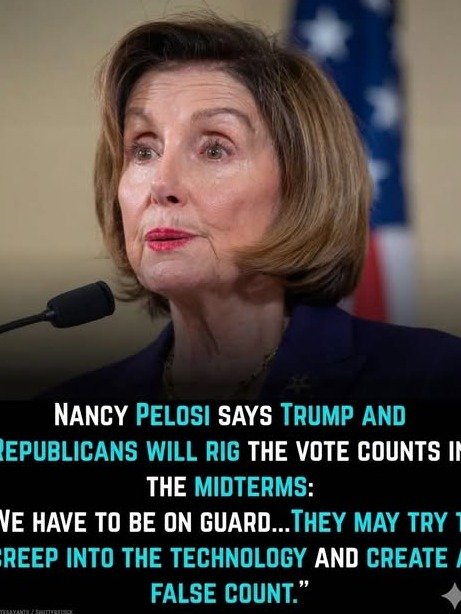
Did you hear the latest? Former House Speaker Nancy Pelosi recently sounded a crucial alarm on MSNBC, drawing national attention to the critical, often-overlooked issue of election security. Her statements weren’t just political rhetoric; they were a stark reminder of the fragile foundation upon which our democracy rests, especially as we inch closer to another pivotal election cycle.
Pelosi’s appearance underscored a fundamental truth: safeguarding our voting systems isn’t a partisan issue, but a collective responsibility. She highlighted the multifaceted nature of threats facing our electoral process, from sophisticated cyberattacks to insidious disinformation campaigns, urging immediate and comprehensive action to protect the integrity of every ballot cast.
The Unseen Battlefield: Why Election Security Matters More Than Ever
In an age where digital threats evolve at lightning speed, the security of our elections has become an unseen battlefield. It’s not just about ballot boxes anymore; it’s about the complex digital infrastructure that supports voter registration, vote tabulation, and the secure transmission of results. A single vulnerability could undermine public trust and, ultimately, the very legitimacy of our democratic outcomes.
The former Speaker emphasized that the stakes are incredibly high. Each election isn’t just a contest between candidates; it’s a test of our nation’s resilience against those who seek to sow chaos and division. Protecting the vote means protecting the voice of every citizen, ensuring that their decision at the polls truly counts.
Understanding the Threats: Beyond Just Hacking
When we talk about election security, many immediately think of sophisticated hacking attempts. While cybersecurity is indeed a cornerstone, Pelosi’s remarks implicitly touched upon a broader spectrum of threats that demand our attention. These challenges are often interconnected, making a holistic defense strategy absolutely essential.
- Cybersecurity Vulnerabilities: This includes attacks on voter registration databases, election management systems, and even voting machines themselves. Bad actors, both foreign and domestic, constantly probe for weaknesses.
- Disinformation Campaigns: Perhaps the most insidious threat, these campaigns aim to erode public trust in the electoral process, spread false narratives about candidates, or even discourage voting altogether. They often leverage social media and other digital platforms.
- Physical Security of Ballots and Equipment: Ensuring the secure storage and transport of ballots, voting machines, and election infrastructure is vital to prevent tampering or theft.
- Insider Threats: While less common, the risk of individuals within election systems attempting to manipulate outcomes cannot be ignored.
- Voter Suppression Tactics: Deliberate attempts to make it harder for eligible citizens to vote, often through restrictive laws or misleading information, also undermine election integrity.
The Call to Action: What Needs to Be Done?
Pelosi’s message wasn’t just about identifying problems; it was a clear call for proactive solutions. She implicitly advocated for a multi-pronged approach involving federal, state, and local governments, alongside technology experts and the public itself. The goal is not just to react to threats, but to build a robust, resilient system that can withstand constant pressure.
“The integrity of our elections is the bedrock of our democracy. We must be vigilant, invest in modern security measures, and ensure that every American has confidence in the process,” Pelosi reportedly stated, emphasizing the urgency of the situation.
This means continuous upgrades to election technology, rigorous security audits, and robust training for election officials at all levels. It also involves fostering greater collaboration between intelligence agencies and state election authorities to share threat intelligence and best practices in real-time.
The Role of Technology and Human Oversight
While technology introduces new vulnerabilities, it also offers powerful tools for protection. Secure software development, multi-factor authentication for election systems, and advanced threat detection are crucial. However, technology alone isn’t enough; human oversight and integrity remain paramount.
The dedication of poll workers, election administrators, and cybersecurity professionals forms the frontline defense. Their diligence in following protocols, conducting pre- and post-election audits, and maintaining the chain of custody for ballots is indispensable. This human element of vigilance and accountability is what truly brings election security measures to life.
Building Public Trust: The Ultimate Goal
Ultimately, all efforts in election security converge on one critical objective: maintaining and building public trust. When citizens doubt the fairness or accuracy of an election, the entire democratic fabric begins to fray. Pelosi’s warnings are a direct appeal to restore and fortify this trust, ensuring that every voter believes their participation matters and their vote is counted accurately.
Transparency in election processes, clear communication from election officials, and accessible information about security measures are vital. When the public understands the steps being taken to protect their vote, their confidence in the system naturally grows. This transparency combats the very disinformation campaigns designed to erode faith in democracy.
Legislative Imperatives and Bipartisan Cooperation
Pelosi’s continued focus on this issue highlights the need for strong legislative frameworks at both federal and state levels. While political disagreements often dominate headlines, the protection of our electoral process should, ideally, transcend partisan divides. Bipartisan cooperation is essential to pass and implement effective election security measures.
Such legislation could include funding for new voting equipment, mandates for post-election audits, enhanced penalties for election interference, and support for state and local election offices. Without consistent investment and a unified approach, our systems remain susceptible to increasingly sophisticated threats.
Looking Ahead: The Ongoing Challenge
The fight for election security is not a one-time event; it’s an ongoing, evolving challenge that requires constant vigilance and adaptation. As technology advances and geopolitical landscapes shift, so too will the nature of the threats we face. Pelosi’s recent remarks serve as a powerful reminder that we cannot afford complacency.
Every election cycle brings new pressures and new attempts to disrupt the democratic process. By heeding these warnings, investing in robust defenses, and fostering an informed, engaged citizenry, we can collectively safeguard the sacred right to vote and ensure the continued strength of our democratic institutions for generations to come. The time to act decisively is now, before the next critical moment arrives.
About the Author




