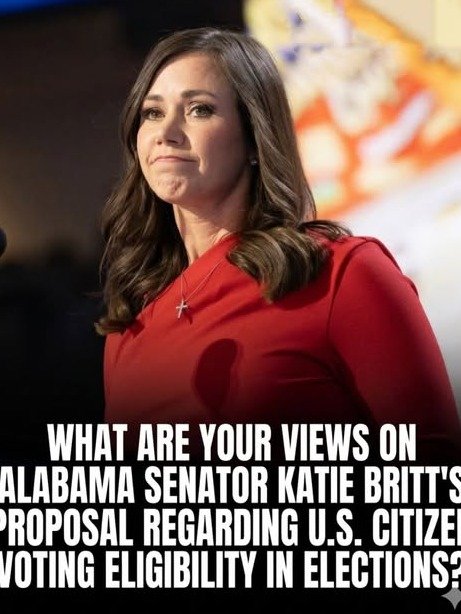
Imagine a scenario where the fundamental right to vote, the cornerstone of American democracy, is perceived to be under threat. This isn’t a hypothetical fear for many, but a very real concern driving a heated national discussion. At the heart of this intensifying debate is a significant proposal from Senator Katie Britt, aiming to unequivocally reinforce a principle many believe is already etched into the fabric of U.S. law: that only American citizens should cast ballots in federal elections.
This isn’t just about a single bill; it’s about the very definition of who participates in shaping the nation’s future. The discussion around voting eligibility has become one of the most polarizing topics in recent memory, igniting passionate arguments from all sides. Critics and proponents alike are weighing in on the implications of Britt’s initiative, and understanding its nuances is crucial for every American.
The Core of the Controversy: Citizen-Only Voting
For decades, the standard understanding in the United States has been that federal elections are exclusively for U.S. citizens. This principle is not explicitly detailed in a single constitutional amendment but is broadly derived from various federal statutes and the understanding of what defines national sovereignty and citizenship rights. However, recent years have seen increased scrutiny and concern from certain political factions regarding the enforcement of this rule.
The debate isn’t about whether non-citizens *should* vote, but rather whether existing safeguards are sufficient to prevent them from doing so, and if stricter measures are needed. Senator Britt’s proposal seeks to leave no room for ambiguity, aiming to enshrine this citizen-only requirement more firmly into federal law, and possibly to introduce mechanisms that would prevent any potential loopholes or misinterpretations.
Senator Katie Britt’s Bold Initiative
Senator Katie Britt (R-AL) has emerged as a vocal proponent for what she terms
About the Author




