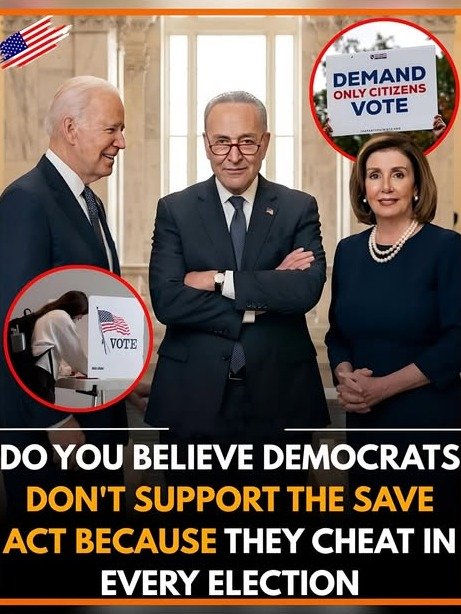
What if the very laws designed to protect the integrity of our elections inadvertently disenfranchise millions of eligible voters? This isn’t a hypothetical question; it’s the heart of the contentious discussion surrounding the proposed Safeguard American Voter Eligibility (SAVE) Act, a piece of legislation that could fundamentally reshape how Americans cast their ballots.
The SAVE Act has ignited a firestorm across the nation, pitting the crucial need for election security against the equally vital principle of unfettered voter access. As lawmakers, advocacy groups, and citizens grapple with its implications, understanding the nuances of this debate is paramount for anyone concerned about the future of American democracy.
Unpacking the SAVE Act: What’s on the Table?
At its core, the Safeguard American Voter Eligibility (SAVE) Act aims to bolster the security and integrity of the American electoral system. Proponents argue that the current framework leaves too many vulnerabilities, potentially allowing ineligible individuals to cast ballots and eroding public confidence in election outcomes.
While the specific provisions of the act can vary, common proposals often include mandating stricter voter identification requirements, requiring proof of U.S. citizenship for voter registration, and enhancing mechanisms for maintaining accurate voter rolls. These measures are designed to ensure that only eligible citizens participate in elections, thereby safeguarding the sanctity of each vote.
The Case for Enhanced Election Security
Supporters of the SAVE Act often emphasize the importance of preventing voter fraud, which they argue, even in small instances, can undermine the democratic process. They contend that robust security measures are not about suppressing votes but about protecting the legitimate votes of every American citizen.
One of the primary arguments revolves around the concept of restoring trust. In an era of heightened political polarization and skepticism, ensuring that elections are perceived as fair and secure is seen as essential for the health of the republic. Stronger identification requirements, for instance, are presented as a common-sense measure, akin to needing an ID for various daily transactions.
Furthermore, proponents highlight the need to verify citizenship. They argue that allowing non-citizens to register or vote, whether intentionally or through oversight, dilutes the power of citizen votes and violates the constitutional principles of American self-governance. The SAVE Act seeks to close these perceived loopholes.
Preventing Voter Fraud: Ensuring that individuals do not vote multiple times or impersonate others.
Restoring Public Trust: Rebuilding confidence in election results through verifiable security measures.
Verifying Citizenship: Confirming that only U.S. citizens are registered and able to cast ballots.
Maintaining Accurate Rolls: Regularly updating voter registration databases to remove ineligible voters.
The Counter-Argument: Threats to Voter Access
On the other side of the debate, critics of the SAVE Act raise serious concerns about its potential to disenfranchise millions of eligible American voters. They argue that while election security is vital, measures that create undue burdens on citizens seeking to exercise their constitutional right to vote are fundamentally antithetical to democratic principles.
The primary fear is that stricter identification requirements, such as mandating specific forms of photo ID or proof of citizenship, disproportionately affect vulnerable populations. These include the elderly, low-income individuals, students, people with disabilities, and minority groups who may face significant challenges in obtaining or updating the required documentation.
For many, obtaining a new ID involves navigating bureaucratic hurdles, taking time off work, finding transportation, and potentially paying fees – all of which can be insurmountable obstacles for those already struggling. Critics point out that many eligible voters simply do not possess the specific forms of identification that such laws might require.
“Democracy thrives when every eligible voice can be heard. When we erect barriers to the ballot box, no matter how well-intentioned, we risk silencing the very people our system is designed to serve,” argues one voting rights advocate.
Historical Context and Disproportionate Impact
The debate over voter ID laws and eligibility requirements is not new; it has deep roots in American history, often intersecting with civil rights struggles. Opponents frequently draw parallels to historical attempts to suppress votes, particularly those of minority groups, through poll taxes, literacy tests, and other discriminatory practices.
They contend that even if not explicitly discriminatory, the effect of certain SAVE Act provisions could be to suppress turnout among populations that historically face systemic disadvantages. The argument is that while the intent might be security, the outcome could be a significant reduction in participation from specific demographic groups, thereby skewing electoral results.
Furthermore, critics often cite studies indicating that instances of in-person voter fraud – the type of fraud most directly addressed by stricter ID laws – are exceedingly rare. They argue that the perceived problem is often exaggerated, and the proposed solutions create far greater harm by making it harder for legitimate voters to participate.
The Administrative Burden and Cost
Beyond the impact on individual voters, implementing the provisions of the SAVE Act could impose significant administrative burdens and costs on state and local election officials. The process of verifying citizenship for millions of voters, updating voter rolls with new requirements, and educating the public about changes would require substantial resources.
States would need to invest in new systems, personnel, and public outreach campaigns. These costs could divert funds from other critical election administration needs, potentially leading to long lines, confusion at polling places, and a less efficient electoral process overall. The logistical challenges alone are a major point of contention for election administrators.
Finding the Balance: A Path Forward?
The fundamental challenge presented by the SAVE Act is how to strike a delicate balance between safeguarding the integrity of elections and ensuring broad, equitable access to the ballot box. Both security and access are crucial pillars of a healthy democracy, and neither should come at the expense of the other.
Some suggest alternative approaches that could enhance security without creating undue barriers. These might include investing in more robust voter registration systems, conducting post-election audits, or increasing penalties for voter fraud. The goal would be to address concerns about integrity through methods that are less likely to disenfranchise eligible citizens.
The ongoing dialogue around the SAVE Act underscores the deep divisions within the American political landscape regarding the nature of democratic participation. It forces us to confront fundamental questions about who should vote, how their eligibility should be confirmed, and what level of burden is acceptable in exercising a foundational right.
What This Means For You
As the debate intensifies, it’s vital for every American to understand the proposed changes and their potential ramifications. The SAVE Act isn’t just a piece of legislation; it’s a potential shift in the architecture of our electoral system, with far-reaching consequences for individual citizens and the democratic process as a whole.
Your ability to cast a ballot, and the ease with which you can do so, could be directly impacted. Staying informed, engaging in civil discourse, and making your voice heard through your elected representatives are crucial steps in shaping the outcome of this pivotal discussion.
Don’t let this debate happen around you. Dive deeper into the specifics of the SAVE Act, consider both sides of the argument, and decide where you stand on the critical balance between election security and voter access. Your democracy depends on it.