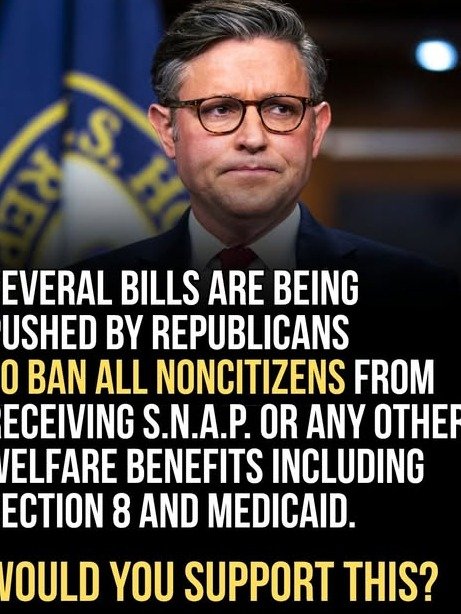
A storm is brewing in Washington, and its winds could dramatically alter the landscape of federal assistance for millions of Americans. The welfare debate, long a contentious political battleground, has reignited with renewed intensity, spearheaded by House Speaker Mike Johnson and a cohort of fellow Republicans.
These proposals aim to tighten eligibility for critical federal benefits, including essential programs like SNAP (Supplemental Nutrition Assistance Program), Medicaid, and various housing assistance initiatives. The potential ripple effects of these changes are vast, touching individuals and families across every demographic.
The Core of the Debate: What’s Being Proposed?
At the heart of the renewed discussion are calls for stricter eligibility criteria and increased work requirements for recipients of federal aid. Proponents argue these measures are vital for fiscal responsibility, reducing dependency, and encouraging self-sufficiency. However, critics warn of a looming crisis, suggesting such changes could push millions deeper into poverty and exacerbate existing social challenges.
While specific legislative texts are still evolving, the general thrust of these Republican-backed proposals centers on several key areas. These include expanding existing work requirements, introducing new asset tests, and potentially imposing time limits on certain benefits.
Unpacking the Impact on SNAP: Food on the Table
The Supplemental Nutrition Assistance Program, commonly known as food stamps, provides crucial support to low-income individuals and families to purchase healthy food. Current regulations already include some work requirements for able-bodied adults without dependents (ABAWDs), but these have often been subject to waivers, especially during economic downturns.
New proposals could significantly expand these work requirements, making it harder for many to qualify or maintain their benefits. This could mean more stringent age limits for work requirements, reducing the number of exemptions, or increasing the number of hours required for work or job training activities.
“We believe that federal assistance programs should serve as a temporary bridge, not a permanent destination. By encouraging work and self-reliance, we can strengthen both individuals and our economy,” stated a Republican spokesperson, reflecting the sentiment behind the proposed changes.
The potential impact on food security is profound. Advocates for the program argue that tightening SNAP eligibility could lead to increased hunger, particularly among vulnerable populations such as children, the elderly, and individuals with disabilities who may struggle to meet new, more rigid requirements.
Medicaid Under the Microscope: Healthcare Access at Risk
Medicaid is the nation’s largest public health insurance program, providing coverage to millions of low-income Americans, including children, pregnant women, the elderly, and people with disabilities. The Affordable Care Act (ACA) significantly expanded Medicaid eligibility in many states, providing a safety net for those who previously had no access to affordable healthcare.
The current Republican proposals could introduce significant changes, such as imposing work requirements for able-bodied adults without dependents, similar to those proposed for SNAP. There are also discussions around converting federal Medicaid funding into block grants to states, which would give states more flexibility but could also cap federal contributions, potentially leading to reduced coverage or services.
The implications for healthcare access are immense. Critics argue that work requirements for Medicaid are counterproductive, as poor health can often be a barrier to employment. Losing Medicaid coverage could lead to a surge in uninsured individuals, increased emergency room visits, and a decline in preventative care, ultimately straining the healthcare system and worsening public health outcomes.
Housing Assistance: A Looming Crisis for Vulnerable Families
Federal housing assistance programs, such as Section 8 vouchers and public housing, play a vital role in preventing homelessness and ensuring stable housing for millions of low-income families, the elderly, and individuals with disabilities. These programs are often a lifeline in a challenging housing market.
While specific details on housing reforms are less prominent than those for SNAP and Medicaid, the general push for tightening eligibility could extend here as well. This might involve stricter income verification, asset tests, or even new requirements for recipients to participate in certain activities to maintain their housing support.
Any reduction in housing assistance could have devastating consequences, potentially increasing homelessness and housing insecurity across the country. Stable housing is a fundamental pillar of well-being, impacting everything from employment and education to health outcomes for children and adults.
The Republican Rationale: Promoting Work and Fiscal Responsibility
The arguments put forth by Speaker Johnson and other Republicans are rooted in principles of fiscal conservatism and individual responsibility. They contend that federal welfare programs have grown too large and costly, contributing to national debt and potentially fostering a “culture of dependency.”
Key justifications for these reforms include:
- Fiscal Prudence: Reducing federal spending on welfare programs to curb the national debt and balance the budget.
- Promoting Work: Encouraging able-bodied adults to enter or re-enter the workforce, thereby increasing self-sufficiency and reducing reliance on government aid.
- Preventing Fraud: Implementing stricter controls and eligibility checks to minimize waste, fraud, and abuse within the system.
- Economic Growth: Believing that a stronger workforce participation rate will boost the overall economy.
From this perspective, tightening eligibility is not about punishing the poor, but about creating a more efficient and effective safety net that incentivizes work and personal responsibility, reserving assistance for those truly unable to work.
The Counter-Argument: A Looming Humanitarian Crisis?
Opponents of these proposed reforms paint a starkly different picture. They argue that tightening eligibility for essential benefits would have devastating human consequences, pushing millions into deeper poverty, exacerbating health crises, and increasing homelessness. Their arguments often highlight:
- Increased Poverty and Hunger: Millions could lose access to food and healthcare, leading to widespread suffering and increased demand on emergency services.
- Economic Downturn: Reduced consumer spending by low-income families could harm local economies, and increased social problems could lead to higher costs in other areas (e.g., emergency healthcare, incarceration).
- Administrative Burdens: Implementing and monitoring complex new work requirements can be costly and difficult for states, leading to bureaucratic hurdles for eligible individuals.
- Disproportionate Impact: Vulnerable populations, including children, the elderly, people with disabilities, and single parents, are often disproportionately affected by stricter requirements, even if they are technically exempt.
- Healthcare Crisis: Stripping Medicaid coverage from millions could overwhelm emergency rooms and leave many without essential medical care, leading to preventable illnesses and deaths.
Many also point out that many individuals receiving benefits are already working low-wage jobs, are caregivers, or face significant barriers to employment that are not easily overcome by simply imposing new requirements.
Echoes of the Past: Lessons from Welfare Reform History
This isn’t the first time the nation has grappled with significant welfare reform. The most notable precedent is the Personal Responsibility and Work Opportunity Act (PRWORA) of 1996, signed into law by President Bill Clinton. This landmark legislation replaced Aid to Families with Dependent Children (AFDC) with Temporary Assistance for Needy Families (TANF), introducing strict work requirements and time limits for cash assistance.
The 1996 reforms led to a dramatic decrease in welfare rolls and an increase in employment among single mothers. However, critics argue that while some found work, many were pushed into deeper poverty, and the reforms did not adequately address the root causes of poverty or provide sufficient support for those unable to work.
Today’s proposals, while focused on different programs, draw heavily from the philosophy behind PRWORA. Understanding the mixed outcomes of past reforms is crucial for evaluating the potential effects of the current legislative push.
Who Stands to Lose the Most?
While the debate often focuses on able-bodied adults, the reality is that many individuals who rely on federal benefits are part of households with children, the elderly, or people with disabilities. Even if these groups are technically exempt from certain requirements, the overall tightening of the safety net can have cascading effects.
For instance, a single parent struggling to find childcare might lose SNAP benefits due to new work requirements, impacting their children’s nutrition. An elderly person on a fixed income might face new hurdles to maintain Medicaid coverage, jeopardizing their access to critical medical care.
These proposals could significantly impact:
- Working Poor: Individuals working low-wage jobs that don’t provide enough income to escape poverty.
- Single-Parent Households: Often juggling work, childcare, and other responsibilities.
- Rural Communities: Where job opportunities and transportation can be scarce.
- Individuals with Chronic Illnesses or Disabilities: Who may not meet strict work requirements despite needing assistance.
Navigating the Political Minefield and What Comes Next
Passing significant welfare reform legislation in a divided Congress is no small feat. While Republicans are unified in their desire for reform, securing the necessary votes to overcome potential opposition from Democrats and even some moderate Republicans will be a significant challenge.
The debate is expected to be fierce, with intense lobbying from advocacy groups on both sides. Public opinion will also play a crucial role, as the human stories behind these policy changes often resonate deeply with voters.
As these proposals move through legislative channels, they will undoubtedly undergo revisions and negotiations. The final outcome could look very different from the initial proposals, but the direction of the conversation is clear: the future of federal welfare benefits is on the table.
What This Means for You: Staying Informed and Engaged
Regardless of your political leanings, understanding these proposals is vital. The potential changes could impact not just recipients of benefits, but also local economies, healthcare systems, and the overall social fabric of communities.
We encourage you to:
- Stay Informed: Follow reputable news sources and policy organizations for updates on legislative developments.
- Understand the Specifics: Learn about the detailed proposals for programs like SNAP, Medicaid, and housing assistance.
- Engage with Your Representatives: Share your thoughts and concerns with your elected officials at both federal and state levels.
- Support Advocacy Groups: Consider supporting organizations working to protect or reform these essential safety net programs.
The debate over welfare reform is complex, touching upon deeply held beliefs about government’s role, individual responsibility, and economic justice. As Mike Johnson and other Republicans push for these significant changes, the stakes for millions of Americans have never been higher. The decisions made in Washington today will shape the lives and well-being of countless individuals and families for years to come.
About the Author




