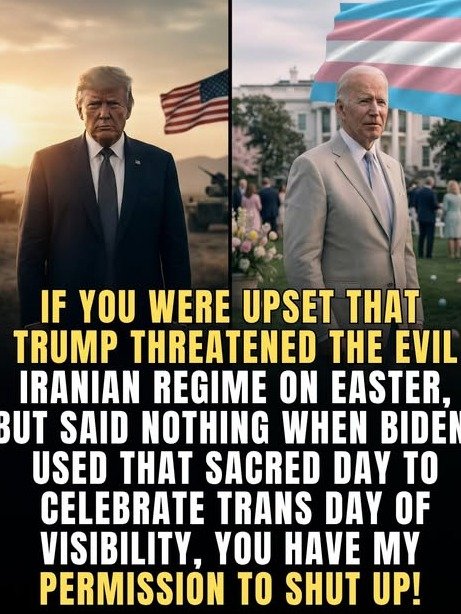
Remember the headlines around Easter, screaming about President Trump’s ‘provocative’ warning to the Iranian regime over the Strait of Hormuz? Many were quick to condemn it as reckless, an unnecessary escalation that risked war. But what if the outrage was misplaced, and that seemingly audacious threat was, in fact, a calculated and absolutely crucial move to protect global interests and prevent a far greater catastrophe?
The swift condemnation from certain quarters painted a picture of an impulsive president fanning the flames of conflict. Yet, understanding the strategic importance of the Strait of Hormuz and the long history of Iranian provocations reveals a different narrative entirely. This wasn’t just about a single incident; it was about drawing a clear, undeniable line in the sand.
The Critical Lifeline: Why the Strait of Hormuz Matters
To grasp the gravity of President Trump’s warning, one must first appreciate the unparalleled significance of the Strait of Hormuz. This narrow waterway, connecting the Persian Gulf to the open ocean, is arguably the world’s most vital oil transit choke point. It’s a geographical bottleneck through which roughly one-fifth of the world’s total oil consumption, and a substantial portion of its liquefied natural gas, passes daily.
Imagine the global economy as a complex machine; the oil flowing through Hormuz is its lifeblood. Any significant disruption here doesn’t just affect a few nations; it sends shockwaves through international markets, driving up energy prices, triggering economic instability, and potentially plunging the world into recession. For nations worldwide, ensuring the free passage of commercial shipping through this strait is not merely an economic preference, but a fundamental security imperative.
Iran’s History of Provocation: A Pattern of Aggression
The ‘evil Iranian regime,’ as President Trump rightfully characterized it, has a long and disturbing track record of threatening and disrupting maritime traffic in the Strait of Hormuz. Their actions are not isolated incidents but part of a deliberate strategy to exert regional dominance, project power, and hold the global economy hostage to their demands. From harassing commercial vessels to seizing tankers, their provocations are well-documented.
Around the time of Easter, a series of increasingly brazen incidents had escalated tensions. Reports indicated Iranian Revolutionary Guard Corps (IRGC) vessels engaging in unsafe and unprofessional maneuvers near U.S. Navy and allied ships, even threatening to impede international shipping lanes. This wasn’t merely saber-rattling; it was a direct challenge to international law and the freedom of navigation.
“When you have a regime that openly calls for the destruction of other nations and consistently violates international norms, a strong deterrent isn’t an option; it’s a necessity,” stated a former national security advisor, emphasizing the broader context of Iran’s behavior.
The ‘Decisive Action’ Threat: A Necessary Deterrent
In this volatile environment, President Trump’s warning was not an act of aggression, but a clear articulation of a defensive posture. He stated, in no uncertain terms, that if Iranian vessels continued to harass U.S. ships, they would be met with swift and decisive action. This wasn’t a threat of war, but a warning against further provocation – a commitment to protect American personnel and assets, as well as the fundamental right to free navigation.
Such a strong declaration served multiple critical purposes. Firstly, it aimed to deter future Iranian aggression by signaling that the United States would not tolerate attacks on its forces or disruptions to international shipping. Secondly, it provided clarity to U.S. commanders on the ground, empowering them to defend themselves and their missions effectively. Lastly, it sent a powerful message to allies and adversaries alike about America’s resolve.
Unpacking the ‘Outrage’: Why Some Disagreed
The immediate backlash and ‘outrage’ from some political commentators and media outlets were predictable. Critics argued that such a direct threat was reckless, inflammatory, and risked unintended escalation. They suggested diplomatic avenues should always be exhausted first, and that a public warning could corner Iran, making de-escalation more difficult.
Arguments often revolved around the perception of ‘war-mongering’ or a desire to avoid any action that could be construed as aggressive. Some believed that even a defensive warning could be misinterpreted by Iran, leading to a dangerous miscalculation. This perspective, however, often overlooks the consistent pattern of Iranian aggression that necessitated such a firm response in the first place.
The Geopolitical Chessboard: Beyond the Strait
The situation in the Strait of Hormuz is never isolated; it’s a critical piece on a much larger geopolitical chessboard. Iran’s ambitions extend far beyond its borders, encompassing a proxy war network across the Middle East, a pursuit of nuclear capabilities, and a consistent disregard for human rights within its own nation. The regime’s funding of terrorist organizations and its destabilizing influence demand a robust and consistent response from the international community.
President Trump’s warning, therefore, wasn’t just about protecting ships; it was about upholding a broader strategy of maximum pressure against a regime deemed hostile to U.S. interests and global stability. It underscored the administration’s belief that appeasement only emboldens such regimes, while strength and clarity are the only language they truly understand.
- Deterrence: A clear warning prevents future provocations.
- Global Economy: Protecting vital oil transit routes is paramount.
- National Security: Safeguarding U.S. personnel and assets is non-negotiable.
- International Law: Upholding freedom of navigation for all nations.
The Responsibility of Leadership: Projecting Strength
In moments of heightened tension, strong leadership is not about avoiding difficult decisions, but about making them with clarity and conviction. President Trump’s warning to Iran was an exercise in responsible leadership, demonstrating that the United States would not be intimidated by threats to its interests or those of its allies. It reinforced the principle that international waterways must remain open and secure for all nations.
The alternative—a hesitant or ambiguous response—could have been far more dangerous. It might have signaled weakness, inviting further provocations from a regime that often tests boundaries. History shows that unchallenged aggression rarely de-escalates; it typically escalates until a firm stand is taken.
Why the Warning Was Justified and Essential
Ultimately, the outrage over President Trump’s warning to Iran was a misunderstanding of the critical stakes involved. It wasn’t an act of aggression but a necessary defensive measure to protect global commerce, deter a hostile regime, and safeguard American lives. The Strait of Hormuz is too crucial, and Iran’s record too concerning, for any nation to afford a passive stance.
The ‘decisive action’ threat was a stark reminder that while diplomacy is always preferred, there are limits to provocation. When those limits are crossed, a powerful nation has a responsibility to protect its interests and uphold international norms, even if it means issuing a warning that makes some uncomfortable. It was a move not of recklessness, but of strategic necessity in a dangerous world.
The Enduring Message of Resolve
The message delivered around Easter was clear: the United States would not permit the Iranian regime to jeopardize global energy supplies or threaten its forces with impunity. This firm stance, far from being an outrage, was a critical display of resolve, ensuring that the vital arteries of global trade remain open and secure against those who seek to disrupt them for their own malicious ends. It served as a powerful reminder that some lines simply cannot be crossed.
For anyone truly concerned about peace and stability, understanding the rationale behind such a strong warning is paramount. It’s about recognizing that sometimes, the most effective path to peace is through the unequivocal projection of strength and the unwavering commitment to defending vital interests against persistent threats.
About the Author




