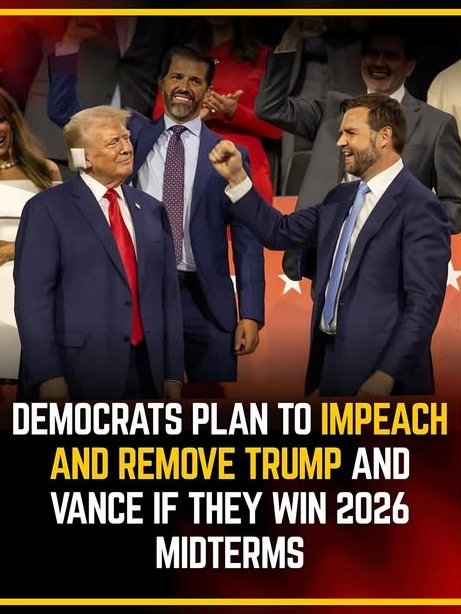
The political landscape is always shifting, but as the critical midterm elections drew near, a powerful warning emerged from former President Donald Trump. He painted a stark picture of what could happen if the control of the House of Representatives were to change hands, specifically raising the specter of renewed and intensified investigations into his past administration. This wasn’t just typical political rhetoric; it was a clear signal of the high stakes involved for both parties and, crucially, for Trump himself.
Imagine a political earthquake, where the very balance of power in Washington D.C. hangs by a thread. That’s precisely the scenario Trump highlighted, suggesting that the outcome of these elections could either usher in a period of political reprieve or, conversely, unleash a relentless wave of scrutiny that could define his post-presidency. His words ignited a firestorm of speculation and concern, underscoring the deep divisions and intense battles that continue to shape American politics.
The Looming Threat: Trump’s Stark Warning
Donald Trump’s message was unequivocal: the midterm elections were not just about legislative control, but about the very future of accountability for his time in office. He articulated a clear fear that if his political adversaries gained or solidified their power in the House, they would waste no time in launching fresh inquiries or re-energizing existing ones. This warning served as a rallying cry to his base, urging them to vote to prevent such an outcome.
The former president often frames investigations against him as politically motivated ‘witch hunts,’ designed solely to undermine him and his movement. His pre-election warnings echoed this sentiment, suggesting that any renewed probes would be less about justice and more about partisan retribution. For many of his supporters, this perspective resonates deeply, fueling a sense of urgency to protect their leader from perceived political attacks.
A History of Scrutiny: Trump’s Past Investigations
To understand the weight of Trump’s warning, it’s essential to recall the extensive history of investigations that shadowed his presidency and continued into his post-presidency. From the moment he took office, his administration faced unprecedented levels of scrutiny. The Mueller investigation into Russian interference in the 2016 election and alleged obstruction of justice was a defining feature of his early years, leading to numerous indictments and a detailed report.
Beyond Mueller, Trump was impeached twice by the House of Representatives. The first impeachment centered on allegations of abuse of power and obstruction of Congress related to his dealings with Ukraine. The second followed the January 6th Capitol riot, charging him with incitement of insurrection. These highly publicized events demonstrated the House’s formidable power to investigate and hold a president accountable, setting a precedent for potential future actions.
Furthermore, various state and federal investigations into his business practices, tax records, and the handling of classified documents after leaving office have kept legal challenges at the forefront of his public life. Each of these inquiries, regardless of their outcome, consumed significant political capital and generated intense media attention. Trump’s warning about renewed investigations, therefore, wasn’t hypothetical; it was rooted in a very real and persistent pattern of legal and political challenges.
The Power of the Gavel: How the House Investigates
The House of Representatives holds significant constitutional powers of oversight, allowing it to investigate the executive branch, governmental agencies, and even private citizens when deemed relevant to legislative duties. This power is exercised through various committees, which can issue subpoenas for documents and testimony, hold hearings, and compel individuals to appear.
Should the House shift to a configuration more hostile to Trump, these committees could become powerful tools for his political opponents. A Democratic-controlled House, for instance, would have the authority to appoint chairs, set agendas, and allocate resources to investigations. This control over the legislative agenda means they could prioritize inquiries into areas they believe warrant further examination, potentially impacting Trump’s political future and public standing.
“The power of oversight is one of the most vital checks and balances in our system,” a political analyst might explain. “It allows Congress to ensure that the executive branch is operating within the bounds of the law and serving the public interest. For a former president, this means continued vulnerability to scrutiny, especially if the political winds shift.”
The ability to issue subpoenas is particularly potent. These legal demands can force individuals, including former high-ranking officials and even the former president himself, to provide documents or testify under oath. Non-compliance can lead to contempt charges, further raising the stakes of any investigation.
Potential Avenues of Inquiry
If the House’s power dynamics were to shift in a way that empowered Trump’s critics, several key areas could become targets for renewed or new investigations. These potential avenues stem from ongoing concerns and previous inquiries that were either unresolved or cut short by political changes.
- January 6th Aftermath: While the House Select Committee on January 6th concluded its work, a new Congress with a different majority could re-examine certain aspects, particularly regarding the roles of individuals close to Trump or his own actions leading up to and during the Capitol attack.
- Classified Documents: The discovery of classified documents at Mar-a-Lago has already led to a federal investigation. A House committee could launch its own inquiry, focusing on the handling of sensitive information and potential national security risks.
- Business Dealings and Finances: Trump’s complex financial empire has long been a subject of scrutiny. A new House majority could delve deeper into his business practices, tax records, and potential conflicts of interest during his presidency.
- Ethics and Emoluments: Questions about foreign payments and benefits received by Trump’s businesses during his time in office, known as emoluments, could also be revived. These inquiries would aim to determine if he improperly profited from his presidency.
Each of these areas represents a potential minefield for the former president, carrying the risk of further legal exposure, public embarrassment, and political damage. The prospect of these inquiries looming over him undoubtedly fueled his urgent warnings.
The Political Battlefield: Midterms and Their Stakes
The midterm elections are always a critical barometer of the nation’s political mood, but for Donald Trump, they carried an exceptionally personal weight. His warning underscored how closely linked his personal and political future remains to the electoral fortunes of the Republican Party. A strong performance by his allies could effectively shield him from intense congressional scrutiny, while a setback could leave him exposed.
For Democrats, retaining or gaining power in the House meant the ability to continue their oversight functions, pursue their legislative agenda, and potentially hold the former president accountable. For Republicans, gaining control meant shifting the focus away from Trump’s past and towards the current administration, potentially launching investigations into President Biden and his family.
The battle for control of the House, therefore, was not merely about which party would command the legislative agenda; it was a proxy war for the future direction of American politics and the accountability of its leaders. Trump’s intervention highlighted this underlying tension, making it clear that the stakes extended far beyond traditional policy debates.
Weaponizing Oversight? The Political Dimension
Accusations of ‘weaponizing’ government institutions for political gain are common in modern American politics, and the prospect of renewed investigations into Trump is no exception. Critics argue that congressional oversight can sometimes be driven more by partisan animosity than a genuine pursuit of justice or truth. This perspective suggests that investigations might be used to damage political opponents, distract from current issues, or influence future elections.
Trump and his supporters consistently maintain that any investigations against him are politically motivated attempts to silence him and prevent his return to power. They argue that such inquiries are a waste of taxpayer money and a distraction from more pressing national issues. This narrative serves to delegitimize the investigations in the eyes of his base, reinforcing their loyalty.
Conversely, those advocating for investigations argue that they are a necessary function of democratic accountability, ensuring that no one, regardless of their position, is above the law. They contend that ignoring potential wrongdoing would set a dangerous precedent and erode public trust in government institutions. This clash of perspectives highlights the deep ideological chasm in American politics.
What’s At Stake for Trump and the GOP
For Donald Trump, the outcome of the midterm elections and the subsequent potential for investigations held immense personal and political significance. Increased scrutiny could lead to further legal challenges, potentially impacting his ability to run for office again, or at least complicating any future campaigns. It could also diminish his standing within the Republican Party, particularly if investigations uncover damaging information.
For the Republican Party, the implications are also substantial. If a Democratic-controlled House were to launch new investigations into Trump, it could force the GOP to either defend him vigorously, potentially alienating moderate voters, or distance themselves, risking a backlash from his loyal base. The party would be caught between competing factions, making it challenging to present a united front.
Furthermore, a focus on past investigations could overshadow the Republican Party’s legislative agenda and messaging, diverting attention from issues they wish to highlight. The midterms, therefore, were not just about legislative seats; they were about shaping the narrative and trajectory of both Trump’s legacy and the Republican Party’s future.
The Road Ahead: A Tumultuous Political Landscape
Donald Trump’s warning about renewed investigations served as a powerful reminder of the enduring political battles that define our era. The midterm elections were far more than a simple shift in congressional control; they were a pivotal moment that could either empower his critics to relentlessly pursue accountability or provide him with a degree of political insulation.
Regardless of the immediate outcome, the landscape of American politics remains tumultuous and deeply polarized. The specter of investigations, whether real or perceived as political ploys, will continue to hang over figures like Donald Trump, ensuring that the battles fought in the halls of Congress and the courts will remain a central feature of public discourse. The fight for political power, and the accountability that comes with it, is a continuous, high-stakes drama.
As the dust settled on the midterms, the nation braced itself for the consequences of its choices, knowing that for Donald Trump, the political and legal stakes had rarely been higher. The warning he issued was not just a prediction; it was a testament to the persistent and deeply personal nature of his ongoing political saga.
About the Author




