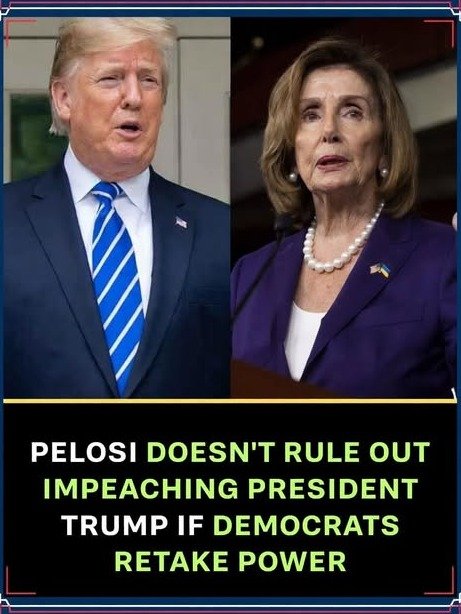
Imagine a tremor that shakes the very foundations of government, sending shockwaves through every corner of society. That’s precisely what happens when an impeachment debate ignites, turning political tensions into a roaring inferno. It’s not just about a single leader; it’s about the soul of a nation, the strength of its institutions, and the future we all share. These moments are more than just political spectacles; they are profound tests of democracy itself.
We often see the headlines, hear the impassioned speeches, and witness the fierce partisan clashes, but what truly lies beneath the surface of an impeachment crisis? This isn’t merely a procedural battle; it’s a deep dive into constitutional principles, societal values, and the very fabric of public trust. Understanding these dynamics is crucial, not just for political junkies, but for every citizen who cares about the stability and direction of their country.
What Exactly Is Impeachment? A Constitutional Corner
At its core, impeachment is a constitutional mechanism designed to hold high-ranking government officials, including the president, accountable for serious misconduct. It’s not about removing someone from office for political disagreement, but rather for actions that betray public trust or undermine the constitutional order. This power serves as a critical check and balance against potential abuses of power by the executive or judicial branches, ensuring no one is above the law.
The concept dates back centuries, with roots in English common law, intended to protect the populace from tyrannical rule. In modern democracies, particularly the United States, it is reserved for ‘high crimes and misdemeanors’ – a phrase that, while debated, generally refers to abuses of power, bribery, treason, or other significant offenses against the state. It’s a solemn process, not to be invoked lightly, reflecting the gravity of potentially unseating a democratically elected official.
The Impeachment Process Unveiled: A Two-Act Drama
The journey of impeachment is typically a two-stage process, primarily involving the legislative branch. First, the lower house of the legislature (like the House of Representatives in the U.S.) takes on the role of prosecutor, investigating alleged offenses and, if sufficient evidence is found, voting on ‘articles of impeachment.’ These articles are essentially formal charges, detailing the specific misconduct.
If the articles are approved by a simple majority, the process moves to the upper house (e.g., the Senate). Here, the upper house transforms into a court, conducting a trial. Members of the lower house often act as prosecutors or ‘managers,’ while the accused official has legal representation. A supermajority vote (often two-thirds) is typically required for conviction and removal from office, highlighting the extraordinary nature of such an outcome.
The Anatomy of Political Tension: Why Debates Ignite
Impeachment debates are inherently divisive, acting as flashpoints for existing political tensions. They don’t just create division; they amplify pre-existing ideological chasms, partisan loyalties, and cultural rifts within a society. Each side views the other with suspicion, interpreting actions and motives through a highly polarized lens. This creates an environment where compromise becomes almost impossible, and political rhetoric often escalates to extreme levels.
The stakes are incredibly high for all involved. For the accused, it’s their legacy and career on the line. For the prosecuting party, it’s a fight for accountability and potentially a shift in political power. For the defending party, it’s about protecting their leader and their political base. This ‘winner-take-all’ mentality fuels an intense, often emotionally charged atmosphere that can dominate the national discourse for months, if not years.
“An impeachment isn’t just a political act; it’s a societal mirror, reflecting our deepest divisions and our most cherished values back at us. It forces us to confront who we are and what we stand for.” – A political analyst.
Impact on Governance and Policy: The Gridlock Effect
When an impeachment process is underway, the machinery of government often grinds to a halt. The intense focus on the proceedings can overshadow critical legislative priorities, leading to significant policy delays or outright gridlock. Lawmakers become consumed by the impeachment narrative, diverting their attention and resources from pressing national issues like economic reform, healthcare, or environmental policies. This can have tangible negative consequences for citizens.
Furthermore, an impeachment crisis can severely erode public trust in government institutions. When leaders are accused of misconduct, and the subsequent debate becomes highly partisan, people may lose faith in the integrity of their elected officials and the fairness of the political system itself. This erosion of trust can have long-term implications for civic engagement and the stability of democratic processes.
Economic Ripple Effects: Uncertainty and Markets
Political instability, particularly something as monumental as an impeachment debate, rarely goes unnoticed by financial markets. Uncertainty is the enemy of investor confidence, and the specter of a leader’s potential removal or a prolonged political battle can send jitters through the economy. Stock markets may become volatile, foreign investment might slow, and consumer confidence could dip as people worry about the future.
While direct, long-term economic damage isn’t always a guaranteed outcome, the short-to-medium term effects can be significant. Businesses might postpone investment decisions, anticipating policy shifts or a period of economic stagnation. The focus on political drama can distract from economic fundamentals, creating a less predictable environment for growth and prosperity. This highlights how deeply intertwined politics and economics truly are.
Societal Division and Media’s Role: Shaping Perception
Beyond the halls of power, impeachment debates ripple through society, often exacerbating existing divisions. Families, friends, and communities can find themselves on opposing sides, leading to heated discussions and even strained relationships. Social media becomes a battleground, amplifying voices and often fueling misinformation, making it harder for individuals to discern objective truth from partisan spin.
The media plays a pivotal, yet often contentious, role in shaping public perception during these times. Depending on their leanings, news outlets can frame narratives in vastly different ways, influencing how their audiences interpret events, evidence, and motives. This fractured media landscape means that citizens often receive highly curated information, reinforcing their existing biases rather than fostering a comprehensive understanding of the situation.
- Confirmation Bias: People tend to seek out information that confirms their existing beliefs.
- Echo Chambers: Social media algorithms create environments where users are primarily exposed to like-minded views.
- Misinformation: False or misleading information can spread rapidly, clouding the public discourse.
Historical Echoes and Modern Crises: Learning from the Past
While each impeachment process is unique, history offers valuable lessons. Looking at past instances – whether in the United States or other nations – reveals patterns of political maneuvering, public reaction, and the enduring resilience (or fragility) of democratic institutions. These historical precedents provide a framework for understanding the constitutional bounds and political realities of such a severe action.
However, modern impeachment crises unfold in an era of unprecedented digital communication and global interconnectedness. The speed at which information (and misinformation) travels, the pervasive influence of social media, and the intense polarization of contemporary politics add new layers of complexity, making these events even more unpredictable and impactful than in previous generations.
Navigating the Storm: A Citizen’s Guide
For the average citizen, navigating an impeachment debate can feel overwhelming. The constant barrage of news, the passionate arguments, and the feeling of helplessness can be draining. However, active and informed citizenship is more crucial than ever. Here are some strategies for staying grounded and engaged:
- Seek Diverse Sources: Don’t rely on just one news outlet. Read from a variety of reputable sources across the political spectrum to get a more complete picture.
- Fact-Check Relentlessly: Be skeptical of sensational claims. Utilize independent fact-checking organizations to verify information before accepting it as truth.
- Engage Respectfully: While passions run high, strive for respectful dialogue with those who hold differing views. Understanding, rather than just winning, should be the goal.
- Focus on Principles: Try to look beyond personality and party affiliation to the underlying constitutional principles and the rule of law.
The Aftermath: Healing or Lingering Scars?
Once an impeachment process concludes, whether with conviction or acquittal, the political landscape is rarely the same. The aftermath can either be a period of intense political healing and reconciliation, or it can leave deep, lingering scars that further entrench partisan divides. Much depends on the leadership demonstrated by all parties involved, and their willingness to move forward for the good of the nation.
The long-term legacy of an impeachment debate can shape a nation’s political culture for decades. It tests the strength of its constitutional framework, the integrity of its leaders, and the resilience of its people. The way a society navigates such a profound crisis ultimately reveals much about its character and its commitment to democratic ideals.
Conclusion: The Enduring Struggle for Accountability
The impeachment debate and the political tensions it ignites are far more than just news cycles; they are critical moments in a nation’s story. They underscore the constant, often arduous, struggle to balance power, ensure accountability, and uphold the rule of law in a democratic society. While these periods are undoubtedly challenging, they also serve as vital reminders of the importance of robust institutions, informed citizens, and a shared commitment to the principles that govern us all.
Understanding these complex dynamics is not just academic; it’s essential for anyone who seeks to comprehend the forces shaping our world and our future. The echoes of these debates resonate long after the final vote, reminding us that democracy is not a spectator sport, but a continuous, active engagement by its people.
About the Author




