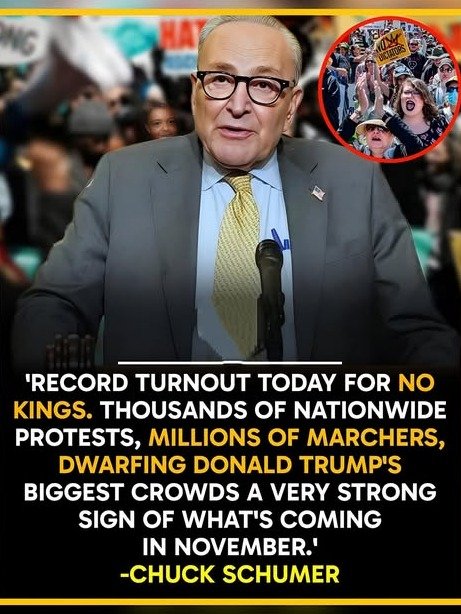
Ever wondered if the roar from the streets truly reaches the ballot box? The answer might surprise you, and it’s far more complex and impactful than you imagine. In the volatile period leading up to elections, public demonstrations aren’t just expressions of discontent; they are powerful, often unpredictable forces that can dramatically shift political momentum and even determine the outcome of a race.
From spontaneous gatherings to meticulously organized marches, protests serve as a crucial barometer of public sentiment. They signal to politicians, media, and the electorate alike what issues are truly resonating, and more importantly, where the collective anger or hope of a nation lies. Ignoring them is a risk no serious political campaign can afford to take.
The Unignorable Voice of the People
Before an election, the streets often become a vibrant, sometimes chaotic, forum for public discourse. People take to the streets for a myriad of reasons: deep-seated dissatisfaction with current policies, urgent calls for social justice, economic grievances, or simply to advocate for a specific candidate or cause. This collective outpouring of emotion and demand is a fundamental aspect of democratic expression.
These demonstrations are not merely symbolic; they are strategic. Activists and organizers understand that visibility is currency in the political arena. By drawing attention to their causes, they force politicians to acknowledge issues that might otherwise be swept under the rug, compelling them to articulate stances and propose solutions.
How Protests Reshape the Electoral Landscape
The impact of protests on political momentum is multi-faceted. Firstly, they can significantly influence public opinion. A large, well-organized protest, especially one that garners extensive media coverage, can sway undecided voters or energize apathetic segments of the population. It creates a narrative, often one of urgency and necessity, that can be hard for campaigns to counteract.
Secondly, protests put immense pressure on incumbent governments and opposition parties. Faced with visible public dissent, politicians are often forced to either address the grievances directly, propose new policies, or risk alienating a significant portion of the electorate. This pressure can lead to policy concessions or, conversely, a hardening of positions, both of which have electoral consequences.
From Pavement to Pixels: The Evolving Face of Activism
Today’s protests are not confined to physical spaces. The digital realm has become an equally potent battleground for political momentum. Social media platforms amplify messages, organize participants, and spread awareness at an unprecedented speed, transforming local grievances into national, or even global, movements.
Online activism, hashtag campaigns, and viral videos can mobilize supporters, expose injustices, and shape public narratives long before people step onto the streets. This digital-physical synergy means that a protest’s reach and influence extend far beyond its immediate participants, creating a continuous feedback loop that fuels political discourse.
“Protests are not just about expressing anger; they are about building power and shifting the political conversation. In an election cycle, that power is amplified tenfold.” – Dr. Anya Sharma, Political Sociologist.
The strategic use of both traditional and new media by protest movements is crucial. Capturing compelling images and stories ensures that the message resonates with a broader audience, turning a local event into a national talking point. This media amplification is key to building and sustaining political momentum.
Navigating the Storm: Political Reactions to Public Dissent
Politicians and campaigns approach protests with a mix of caution and opportunism. Some may choose to align themselves with the protesters’ demands, hoping to co-opt their energy and voter base. Others might denounce the protests, attempting to frame them as disruptive or illegitimate, thereby appealing to a different segment of the electorate.
The way a candidate or party responds to a protest can be a defining moment in their campaign. A misstep can lead to a significant loss of support, while a well-calibrated response can demonstrate leadership and empathy, potentially winning over new voters. It’s a delicate dance between acknowledging public sentiment and maintaining their own political agenda.
Echoes of Change: When Protests Tipped the Scales
History is replete with examples of how protests have directly influenced electoral outcomes. From the Civil Rights Movement in the United States, which paved the way for landmark legislation and altered voting patterns, to more recent movements like the Arab Spring, which fundamentally reshaped political landscapes, the power of collective action is undeniable.
Even in established democracies, protests around issues like climate change, economic inequality, or social justice have forced candidates to adopt new platforms and voters to reconsider their allegiances. These demonstrations serve as a stark reminder that the democratic process extends beyond the ballot box; it begins and is sustained by active citizen engagement.
- Civil Rights Movement (USA): Directly led to the Voting Rights Act of 1965, fundamentally altering electoral demographics and outcomes.
- Anti-Vietnam War Protests: Significantly contributed to public disillusionment with the war and influenced presidential elections.
- Yellow Vest Movement (France): Though not directly tied to an election, it forced the government to make policy concessions and highlighted deep-seated economic grievances.
- Climate Strikes (Global): Pushed environmental issues higher on political agendas worldwide, influencing party platforms and voter priorities.
These historical precedents underscore a critical lesson: protests are not just noise; they are often the early tremors of significant political shifts. Ignoring them is to ignore the evolving will of the people.
The Perilous Path: When Protests Backfire
While often powerful, protests are not without their risks. A poorly organized or violent protest can alienate potential allies, erode public sympathy, and even provide political opponents with ammunition to discredit the movement. The optics of a protest, as much as its message, can determine its effectiveness.
Furthermore, if protesters’ demands are seen as extreme or unrealistic, they may fail to garner mainstream support, thereby limiting their ability to influence the broader electorate. The art of effective protest lies in balancing passion with pragmatism, ensuring the message resonates widely without alienating key demographics.
The Enduring Power of the People’s Voice
As elections loom, the intersection of public protest and political momentum becomes a critical area of focus. Protests serve as a vital mechanism through which citizens can hold their leaders accountable, demand change, and ultimately, shape the future direction of their countries. They are a raw, unfiltered expression of democracy in action, often more revealing than any poll or stump speech.
The energy generated on the streets can translate directly into voter turnout, campaign donations, and shifts in candidate popularity. Whether through massive marches or targeted digital campaigns, the collective voice of the people remains one of the most potent forces in the run-up to any election. It reminds us that power truly resides with the people, especially when they choose to make their voices heard.
About the Author




