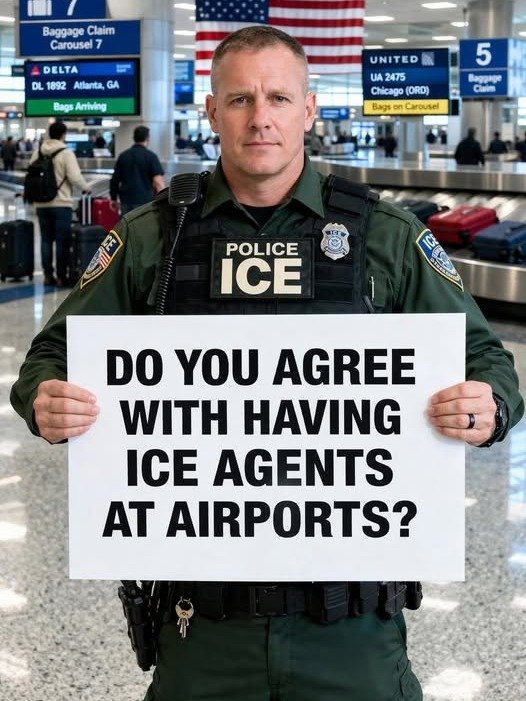
Imagine navigating the already stressful maze of a busy airport, only to encounter federal agents from U.S. Immigration and Customs Enforcement (ICE) assisting with operations. This isn’t a hypothetical scenario from a dystopian novel; it’s a very real, highly debated proposal currently on the table to address persistent staffing shortages and widespread travel disruptions at airports across the United States.
The idea has ignited a firestorm of discussion, with proponents arguing for an ‘all hands on deck’ approach to bolster struggling travel hubs, while critics raise serious concerns about mission creep, public trust, and potential implications for civil liberties. But what exactly does this proposal entail, and why is it sparking such intense debate?
The Unprecedented Challenge Facing U.S. Airports
For years now, air travel has been plagued by a perfect storm of challenges. The post-pandemic surge in demand, coupled with persistent staffing shortages across various airport roles – from TSA agents to baggage handlers and air traffic controllers – has led to an era of unprecedented delays, cancellations, and frustratingly long lines. Travelers routinely face hours-long waits, missed connections, and the general unpredictability that makes flying a dreaded experience for many.
These operational bottlenecks aren’t just an inconvenience; they represent a significant economic drain and a source of immense stress for millions. The existing infrastructure and personnel are stretched to their limits, struggling to cope with peak travel periods, unexpected weather events, or even minor technical glitches that can cascade into widespread chaos. It’s against this backdrop of systemic strain that the proposal to deploy ICE agents emerged as a potential, albeit controversial, solution.
Understanding the Controversial Proposal
At its core, the proposal suggests that during periods of significant disruption or crisis at U.S. airports, ICE agents could be temporarily deployed to provide assistance. This isn’t about reassigning them to conduct routine immigration enforcement within the airport’s public areas, but rather leveraging their federal training and presence to support various operational needs.
The specific tasks they might undertake are still subject to extensive discussion, but could range from crowd control and perimeter security to offering general assistance to passengers, potentially even aiding in screening processes under the supervision of primary agencies like the Transportation Security Administration (TSA) or Customs and Border Protection (CBP). The key phrase here is ‘periods of disruption,’ implying that this would be a measure reserved for emergencies or severe operational breakdowns, not everyday airport functions.
Arguments for Bolstering Airport Operations with ICE
Advocates for deploying ICE agents highlight several compelling reasons why this could be a viable solution to the ongoing airport crisis. Firstly, ICE possesses a substantial, federally trained workforce. In times of severe staffing shortages, tapping into this existing pool of personnel could provide much-needed manpower without the lengthy recruitment and training processes required for new hires.
“When airports are overwhelmed, we need every available federal resource. ICE agents are trained professionals who could provide critical support, ensuring smoother operations and enhanced security during crises.” – A proponent’s view.
Secondly, ICE agents, by the nature of their work, already possess significant security training and experience in law enforcement and identifying potential threats. While their specific operational mandates differ from TSA or CBP, their foundational skills in security protocols, observation, and maintaining order could be adaptable to certain airport functions, particularly those related to crowd management and general security presence. This could free up other specialized personnel to focus on their core responsibilities.
Furthermore, the ability to rapidly deploy federal agents could be invaluable during unforeseen emergencies, such as natural disasters, large-scale security threats, or sudden, severe operational failures. Having a readily available, disciplined force could help airports recover faster and maintain a semblance of order, minimizing disruption for travelers and ensuring continued safety.
Why This Proposal Sparks Intense Debate: Key Concerns
Despite the potential benefits, the suggestion to involve ICE agents in airport assistance has been met with a wave of strong opposition and deep-seated concerns. One of the most prominent worries is ‘mission creep’ – the idea that ICE, an agency primarily focused on immigration enforcement, would be expanding its role into areas traditionally handled by other federal agencies like TSA or CBP.
Civil liberties advocates and immigrant rights organizations have voiced significant apprehension. They fear that the presence of ICE agents, even if ostensibly for ‘assistance,’ could create an atmosphere of fear and distrust, particularly among immigrant communities and non-citizens. Concerns about potential racial profiling, increased scrutiny of travelers based on appearance or perceived origin, and the erosion of public trust in airport environments are central to their arguments.
“Deploying ICE agents to airports, even under the guise of assistance, risks weaponizing travel and further alienating vulnerable communities. Airports should be welcoming gateways, not places of heightened anxiety and surveillance.” – A statement from a civil liberties group.
Moreover, critics question the suitability of ICE agents’ training for airport operational roles. While they are trained in law enforcement, their expertise is distinct from the highly specialized screening, identification, and customer service protocols required for airport security and passenger assistance. Integrating them effectively without extensive additional training could lead to inefficiencies, confusion, or even unintended conflicts with established procedures and other agencies.
There are also significant jurisdictional concerns. Airports are complex ecosystems involving multiple federal agencies (TSA, CBP, FAA, FBI), local law enforcement, and private entities. Introducing another federal agency into this intricate web, particularly one with a distinct mission, could create overlaps, communication challenges, and potential conflicts over authority and responsibility, further complicating rather than simplifying airport operations.
Historical Context and Precedents: A Look Back
The idea of federal agencies assisting in non-traditional roles during crises isn’t entirely new. The National Guard, for instance, is frequently deployed to aid in disaster relief, provide security during major events, or even assist with medical services. However, these deployments typically involve military personnel supporting civil authorities, and their roles are usually very clearly defined and temporary.
The creation of the TSA itself after 9/11 marked a significant shift in airport security, consolidating various functions under a single federal agency to ensure a consistent and high standard of screening. This history underscores the importance of specialized training and a clear mandate for airport security personnel. Introducing an agency like ICE, whose primary mission is fundamentally different, represents a novel and potentially problematic approach compared to historical precedents.
The Human Element: Impact on Travelers and Staff
Beyond the policy debates, it’s crucial to consider the human impact of such a proposal. For travelers, the presence of ICE agents could evoke a range of reactions. Some might feel an increased sense of security, believing that more federal agents equate to a safer environment, especially during times of heightened threat or chaos. Others, however, might experience heightened anxiety, feeling scrutinized or targeted, particularly if they belong to communities that have historically faced disproportionate enforcement.
For existing airport staff – including TSA officers, airline employees, and ground crews – the integration of ICE agents could also be a complex adjustment. It would necessitate clear lines of communication, extensive inter-agency coordination, and potentially new operational protocols to ensure seamless workflow and avoid confusion or friction. The success of such a deployment would heavily depend on how well these diverse groups can collaborate under pressure.
Beyond the Proposal: Long-Term Solutions for Airport Resilience
While deploying ICE agents might be presented as a short-term solution to immediate disruptions, many argue that it distracts from the deeper, systemic issues plaguing U.S. airports. A truly resilient air travel system requires more comprehensive and sustainable strategies. These include:
- Increased Funding: Adequate and consistent funding for agencies like TSA and CBP is crucial to allow for robust recruitment, competitive salaries, and advanced training programs.
- Improved Recruitment & Retention: Developing aggressive strategies to attract and retain talent in critical airport roles, addressing issues like pay, benefits, and working conditions.
- Investment in Technology: Leveraging cutting-edge technology, such as biometric screening, AI-powered baggage systems, and advanced air traffic control systems, can significantly improve efficiency and reduce reliance on manual processes.
- Infrastructure Upgrades: Modernizing airport terminals, runways, and ancillary facilities to handle increased passenger volume and future growth.
- Cross-Agency Training: Implementing regular, inter-agency training and drills to foster better coordination and preparedness among all entities operating within an airport environment.
These long-term solutions aim to build a robust, self-sufficient system that can weather disruptions without resorting to temporary, potentially divisive measures.
The Road Ahead: What Happens Next?
The proposal to deploy ICE agents at U.S. airports remains a topic of intense discussion, with no immediate timeline for implementation. It would require significant political will, detailed operational planning, and likely a thorough vetting process involving multiple federal agencies, congressional oversight, and public input.
As the debate continues, stakeholders from all sides are weighing in, emphasizing the critical need for solutions that not only address immediate operational challenges but also uphold public trust, ensure civil liberties, and contribute to the long-term health and efficiency of the nation’s air travel system. The outcome of this discussion could fundamentally reshape the experience of flying in America for years to come.
Whether this controversial plan moves forward or remains a hotly debated idea, one thing is clear: the challenges facing U.S. airports are pressing, and finding effective, acceptable solutions is paramount for millions of travelers and the nation’s economy.
About the Author




