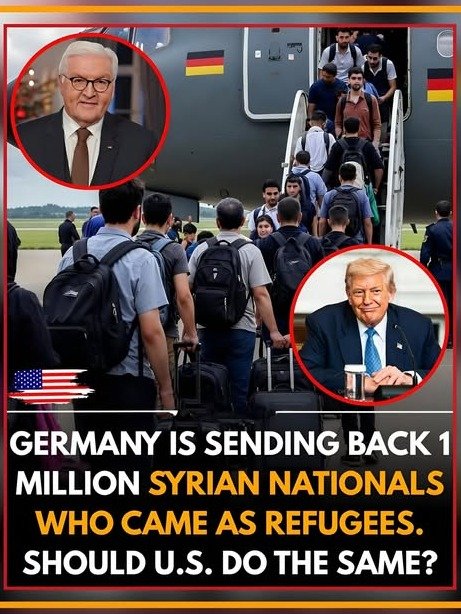
Forget everything you thought you knew about Europe’s approach to migration. A silent revolution is underway, reshaping policies, borders, and the very fabric of the continent. The continent is bracing for an unprecedented shift, one that promises to redefine its borders, its values, and its future for generations to come.
Europe stands at a critical crossroads, grappling with one of the most complex and emotionally charged issues of our time: human mobility. The recent discussions around changes in European migration policy are not merely bureaucratic adjustments; they signify a profound, irreversible transformation that demands our immediate attention.
A Continent in Flux: The Genesis of Change
The year 2015 marked a watershed moment for Europe. The arrival of over a million refugees and migrants, primarily from Syria, Afghanistan, and Iraq, exposed deep divisions within the European Union and overwhelmed existing asylum systems. This humanitarian crisis forced a dramatic re-evaluation of both national and EU-level responses.
Before this period, migration policies were often reactive and fragmented, largely left to individual member states. The sheer scale of the 2015 influx, however, highlighted the urgent need for a more coherent, unified European strategy. The collective memory of that tumultuous period continues to heavily influence current debates and policy proposals.
These policy shifts are not occurring in a vacuum. They are a direct response to a confluence of factors: escalating geopolitical conflicts, persistent economic disparities, the undeniable impact of climate change, and evolving public opinion within member states. Each of these elements contributes to the complex tapestry of Europe’s migration challenge.
From Open Arms to Stricter Borders: The Policy Pivot
There’s a palpable pivot towards tightening Europe’s external borders, signaling a new era focused on prevention and deterrence. This strategic shift aims to regain control over who enters the continent and under what circumstances, moving away from a largely reactive stance.
The European Border and Coast Guard Agency, Frontex, has seen a significant increase in funding and mandate, becoming a central player in this evolving strategy. Its expanded role includes deploying more personnel and advanced technology, such as drones and surveillance systems, across land and sea borders.
This enhanced border protection is designed to control irregular migration more effectively and combat human trafficking networks. However, it also raises significant human rights concerns, with various advocacy groups warning about the potential for pushbacks and violations of international law at the EU’s frontiers.
The Asylum Paradox: Balancing Rights and Realities
The right to asylum is a cornerstone of international law and a fundamental principle of the EU. Yet, Europe’s asylum system has been under immense strain for years, grappling with processing backlogs, inconsistent national approaches, and a lack of solidarity among member states.
The proposed New Pact on Migration and Asylum, a comprehensive legislative package, seeks to address these systemic failures. Its primary goals include streamlining asylum procedures, introducing faster screening processes at borders, and creating a more predictable and efficient system for determining protection status.
While proponents argue these reforms are essential for managing flows and ensuring fairness, critics express concerns that the pact might prioritize speed and security over thoroughness. There are fears that this could potentially compromise the individual rights of vulnerable individuals seeking international protection.
“Europe’s migration challenge is not just about numbers; it’s about our values, our capacity for solidarity, and our ability to forge a common, humane path forward.” – European Commission President Ursula von der Leyen
Solidarity or Self-Interest? The Burden-Sharing Dilemma
One of the most contentious issues at the heart of Europe’s migration debate is the perennial problem of burden-sharing. Frontline states, particularly those in Southern Europe, have long argued that they bear a disproportionate share of responsibility for receiving and processing asylum seekers.
The New Pact attempts to tackle this by introducing a “mandatory solidarity mechanism.” This groundbreaking, albeit controversial, proposal offers member states a choice: either relocate asylum seekers from overwhelmed frontline countries or provide substantial financial contributions and operational support to those states.
This mechanism represents a significant departure from the much-criticized Dublin Regulation, which placed primary responsibility for asylum applications on the country of first entry. While it aims to foster greater unity, the solidarity mechanism still faces considerable resistance from some Central and Eastern European countries.
Beyond Borders: External Cooperation and Diplomacy
Europe is increasingly looking beyond its own borders to manage migration flows, recognizing that effective control requires international cooperation. Deals and partnerships with third countries, particularly in North Africa and the Middle East, are becoming a central pillar of its evolving strategy.
Agreements with nations like Turkey, Libya, and Tunisia aim to prevent irregular departures, combat human smuggling, and facilitate the return of migrants who do not qualify for asylum. These partnerships are often complex and controversial, drawing criticism from human rights organizations regarding the conditions in partner countries.
The EU is also investing significantly in addressing the root causes of migration in origin countries. This involves long-term strategies focused on economic development, educational opportunities, improved governance, and conflict resolution, with the aim of reducing the impetus for people to leave their homes.
Integration Challenges: The Path After Arrival
Successful integration of newcomers is paramount for both social cohesion and long-term economic prosperity within Europe. The journey after arrival involves overcoming significant hurdles related to language acquisition, securing employment, and finding stable housing.
Many member states continue to struggle with effective integration policies, leading to social tensions, the emergence of parallel societies, and difficulties for both migrant communities and host populations. The absence of comprehensive, well-funded integration programs can exacerbate existing societal divides.
Local authorities often bear the brunt of integration efforts, requiring significant resources and tailored approaches to help newcomers become contributing and valued members of society. This includes everything from language classes and vocational training to cultural orientation and support networks.
- Language Proficiency: Essential for daily life, employment, and social interaction.
- Employment Opportunities: Access to the labor market is key for economic independence and contribution.
- Housing Stability: Secure and affordable housing is a foundational element for successful integration.
- Social Inclusion: Fostering connections with the host community and preventing isolation.
The Human Cost and Ethical Quandaries
Behind every policy discussion, every statistic, and every headline, are the very real lives of individuals. Migrants often undertake perilous journeys, facing exploitation, violence, and uncertainty, driven by desperation and the hope for a better future.
Humanitarian organizations consistently highlight the profound ethical dilemmas posed by increasingly stricter border controls and externalization policies. The balance between national security, state sovereignty, and the fundamental humanitarian obligations enshrined in international law remains a constant, often painful, negotiation for European leaders.
The moral compass of Europe is being tested, as decisions made in Brussels and national capitals have profound impacts on human dignity and safety. Striking a balance that upholds both security and human rights is perhaps the greatest challenge facing the continent today.
The Rise of Populism: Political Fallout and Public Opinion
Migration has become a potent political tool, fueling the rise and consolidation of populist and far-right movements across Europe. These parties frequently campaign on anti-immigrant platforms, tapping into public anxieties about cultural change, national identity, security, and economic strain.
The growing influence of these political forces significantly impacts mainstream policy debates, often pushing established parties to adopt tougher stances on migration to avoid losing votes. This dynamic can lead to a hardening of rhetoric and a more restrictive policy environment across the continent.
Public opinion on migration remains deeply divided, reflecting a spectrum of views from open humanitarianism to strong calls for stricter controls. Understanding and navigating these complex societal sentiments is crucial for any government attempting to forge sustainable and broadly accepted migration policies.
Looking Ahead: Europe’s Migration Future
The future of European migration policy is undeniably complex and fraught with uncertainty. Global challenges such as climate change, persistent geopolitical instability, and ongoing demographic shifts will continue to drive migration flows, regardless of policy frameworks.
The EU aims for a more resilient, predictable, and fair system, one that can withstand future shocks and adapt to evolving realities. However, achieving this ambitious goal requires an unprecedented level of unity, political will, and genuine solidarity among its diverse member states.
Europe’s evolving approach to migration will undoubtedly shape its identity, its economic trajectory, and its global standing for decades to come. It will be a testament to its commitment to both its foundational values and its imperative for security and stability.
Europe is not merely tweaking its migration rules; it is fundamentally redefining its relationship with human mobility in the 21st century. The discussions are intense, the stakes are incredibly high, and the implications will resonate far beyond the continent’s borders. Understanding these seismic shifts is crucial for anyone seeking to grasp the future trajectory of one of the world’s most influential regions.
About the Author




