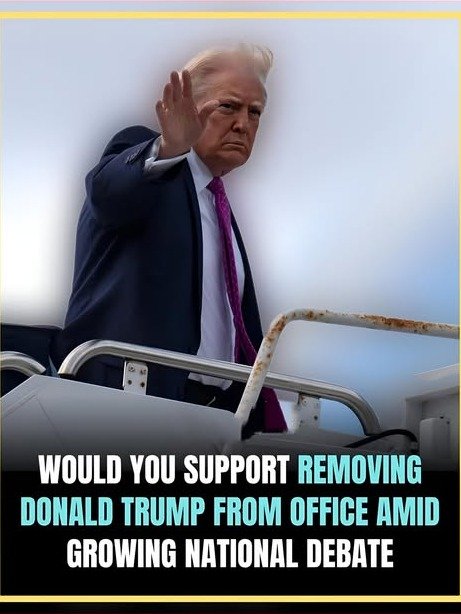
A national conversation, unlike any other in recent memory, continues to swirl intensely around the leadership of Donald Trump. From bustling city centers to quiet rural towns, his name evokes powerful emotions and sparks passionate debates, underscoring a profound ideological chasm within the country. It’s a dialogue that impacts everything from family dinners to national policy, shaping the very fabric of American society.
Understanding this phenomenon requires diving deep into the diverse perspectives that define it. Supporters often point to a clear mandate from the electorate, emphasizing that his presidency was a direct result of voter choice and a genuine desire for change. Yet, critics raise equally strong concerns, questioning his methods and the long-term implications of his policies. This article aims to explore the multifaceted reasons behind these strong opinions, offering a balanced look at the core arguments that fuel this ongoing national discussion.
The Resounding Voice of Supporters: “Voter Choice” and Beyond
For millions of Americans, Donald Trump’s ascent to the presidency represented a seismic shift, a bold rejection of the political establishment. His supporters frequently highlight that his election, and his strong performance in subsequent campaigns, clearly demonstrated a powerful mandate from the people. They saw him as an outsider, a successful businessman, rather than a career politician, someone uniquely positioned to disrupt a system they felt was broken.
A cornerstone of his appeal lay in his economic policies. Many credit his administration with significant tax cuts, particularly for corporations, and a strong push for deregulation, which they argue fueled job growth and a booming economy prior to the global pandemic. These policies were often framed as beneficial for American businesses and workers, leading to increased prosperity and opportunity.
Furthermore, Trump’s commitment to appointing conservative judges to federal courts, including three Supreme Court justices, resonated deeply with a significant segment of the electorate. This was seen as a crucial step in preserving constitutional principles and ensuring a judiciary that interpreted laws according to originalist or textualist views, a long-held goal for many conservative voters.
The “America First” agenda was another powerful draw. This philosophy prioritized American interests in trade, foreign policy, and border security, promising to bring manufacturing jobs back home and secure the nation’s frontiers. Supporters viewed this as a necessary course correction, putting the well-being of American citizens above international agreements or globalist ideologies.
His direct, often unconventional communication style, particularly through social media, was also a major factor. For many, it was a refreshing departure from traditional political rhetoric, seen as authentic and unvarnished. They felt he spoke directly to their concerns, giving a voice to those who felt ignored by mainstream media and Washington elites, effectively
About the Author




