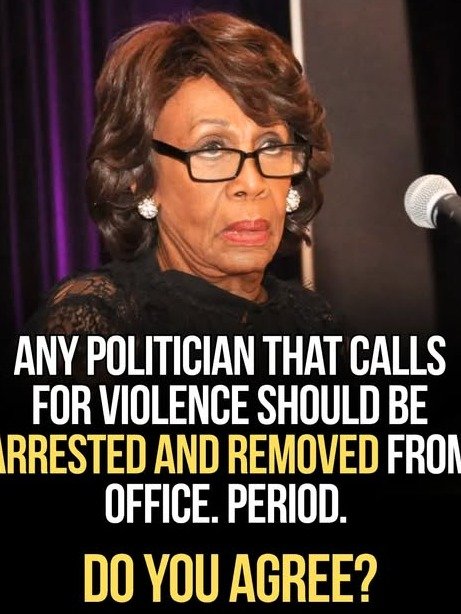
In an era where every word from a public figure is scrutinized under a microscope, one name consistently sparks a national debate about the boundaries of political speech: Congresswoman Maxine Waters. For years, her impassioned calls to action have drawn a sharp divide, with critics alleging incitement and defenders championing free expression. But what truly constitutes ‘crossing the line’ in political discourse, and why does this conversation around Waters never seem to fade?
The question of whether there are real consequences for inflammatory political rhetoric is at the heart of this ongoing controversy. As America grapples with deep political polarization, the words spoken by leaders carry immense weight, often interpreted differently across the partisan divide. Understanding this complex dynamic requires a deeper look into the specific statements, the context surrounding them, and the broader implications for our democratic discourse.
A Long Career, A Fiery Reputation
Maxine Waters, a veteran Democratic Representative for California’s 43rd congressional district, has served in the House since 1991. Throughout her extensive career, she has built a reputation as a fierce advocate for her constituents and a vocal critic of policies she opposes. Her political style is often described as uncompromising, passionate, and direct, earning her both fervent supporters and staunch opponents.
However, it is this very directness that has frequently landed her at the center of controversies surrounding political rhetoric. Critics often point to specific instances where they believe her language veered from strong political commentary into what they perceive as calls for confrontation or even harassment. These moments often reignite the debate about the responsibility of public figures in shaping public discourse.
The Statements That Sparked Outrage
Several of Congresswoman Waters’ remarks have become touchstones in the debate over political speech. One of the most frequently cited examples comes from a 2018 rally, where she urged supporters to confront Trump administration officials in public spaces. Her words were unambiguous:
“If you see anybody from that Cabinet in a restaurant, in a department store, at a gasoline station, you get out and you create a crowd. And you push back on them. And you tell them they’re not welcome anymore, anywhere.”
This statement immediately drew widespread condemnation from Republicans and even some Democrats, who argued it encouraged harassment and intimidation. They viewed it as a direct call to disrupt the private lives of public servants, potentially escalating tensions in an already volatile political climate. The sentiment among critics was that such rhetoric could easily be misinterpreted or misused by individuals seeking to justify aggressive behavior.
Another instance that garnered significant attention was her exhortation to
About the Author




