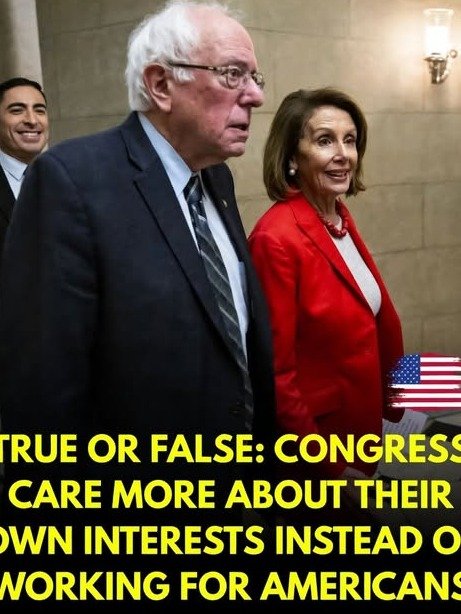
A low hum of frustration has turned into a roaring discontent across America, and it’s aimed squarely at the heart of our democracy: the legislative branch. We’ve all felt it – the gridlock, the partisan battles, the seemingly endless cycle of political maneuvering that leaves critical issues unresolved. This isn’t just about policy disagreements; it’s about a fundamental question facing our nation: are our elected officials truly leading, or are they prioritizing self-protection above all else?
For too long, the narrative has focused on the superficial clashes, but beneath the surface lies a deeper, more insidious problem. The very foundation of public service, the idea that representatives serve the greater good, appears to be eroding. This article delves into the critical dilemma: when self-preservation eclipses genuine leadership, what becomes of a nation?
The Growing Tide of Frustration with Congress
The collective exasperation with the U.S. legislative branch isn’t a new phenomenon, but its intensity has reached unprecedented levels. Polls consistently show low approval ratings for Congress, reflecting a widespread belief that our elected officials are failing to address the challenges facing everyday Americans. From economic instability to social divides, the public yearns for decisive action, yet often receives only stalemate.
This frustration isn’t merely partisan; it transcends political affiliations. Independents, Democrats, and Republicans alike express dismay at the perceived inability of Congress to find common ground and legislate effectively. The vision of a deliberative body working towards national progress often feels like a distant memory, replaced by a spectacle of political grandstanding and entrenched positions.
Defining Self-Protection in the Political Arena
What exactly does ‘self-protection’ look like when wielded by a legislator? It manifests in various forms, often subtly interwoven with the daily fabric of Washington politics. At its core, it’s about prioritizing one’s own political survival and advancement over the needs of constituents or the nation as a whole.
One primary manifestation is the relentless pursuit of re-election. Every decision, every vote, every public statement can be filtered through the lens of ‘how will this impact my next campaign?’ This focus can lead to avoiding controversial but necessary decisions, catering to vocal special interest groups, or adopting extreme stances to energize a base, rather than seeking broader consensus.
- Campaign Fundraising: The constant need to raise money often dictates time and priorities, pulling legislators away from policy work and towards donor events.
- Partisan Loyalty: Adherence to party lines, even when it conflicts with personal conviction or local needs, can be a form of self-preservation against primary challenges or internal party censure.
- Avoiding Tough Votes: Legislators may shy away from votes that could alienate a segment of their electorate, even if those votes are crucial for national progress.
- Media Image Management: Crafting a carefully curated public persona that appeals to their base, sometimes at the expense of genuine dialogue or compromise.
The Allure and Peril of Self-Preservation
It’s easy to criticize politicians for self-preservation, but understanding its allure is crucial. The political landscape is fiercely competitive, and losing an election means losing influence, power, and often, a career. The pressure to stay in office is immense, driven by the desire to continue one’s work, the financial realities of a public servant’s life, and the sheer human instinct for survival.
However, the peril lies in its corrosive effect on governance. When every action is calculated for personal political gain, the collective good takes a backseat. Long-term strategic planning for the nation’s future is sacrificed for short-term electoral victories. This creates a cycle of reactive policy-making, where pressing issues are only addressed when they become immediate crises, rather than proactively managed.
“True leadership isn’t about holding a position; it’s about taking a stand for what’s right, even when it’s unpopular. Self-preservation, conversely, is about holding onto that position at any cost.” – A common sentiment echoed by concerned citizens.
What True Leadership Demands
In stark contrast to self-protection, true leadership in the legislative branch requires a different set of virtues. It demands courage – the courage to make difficult decisions, to compromise when necessary, and to speak truth to power, even when it risks political capital. It calls for a long-term vision, looking beyond the next election cycle to consider the legacy being built for future generations.
Genuine leaders prioritize the well-being of their constituents and the nation above personal ambition or party loyalty. They are willing to engage in robust debate, seek common ground, and build coalitions across ideological divides. This isn’t about being ‘soft’ or compromising on core values; it’s about recognizing that a functioning democracy requires a willingness to negotiate and find solutions that benefit the broader populace.
- Courage to Compromise: Understanding that progress often requires giving a little to gain a lot for the nation.
- Long-Term Vision: Prioritizing policies that address future challenges, not just immediate political wins.
- Public Service Ethos: A deep-seated commitment to serving the people, not just one’s own career.
- Accountability: Taking responsibility for actions and inactions, and being transparent with the electorate.
The Devastating Cost to the Nation
When self-protection consistently trumps leadership, the consequences for the United States are profound and far-reaching. The most visible impact is legislative gridlock, where vital issues like infrastructure, healthcare reform, climate change, and economic stability languish without resolution. This inaction doesn’t just defer problems; it often exacerbates them, making future solutions even more challenging and costly.
Beyond policy paralysis, the erosion of public trust is perhaps the most damaging outcome. When citizens perceive their representatives as self-serving, their faith in democratic institutions wanes. This cynicism can lead to disengagement, lower voter turnout, and a general sense of hopelessness about the political process. A fractured populace, distrustful of its leaders, struggles to unite behind common national goals.
Furthermore, the focus on short-term political gains can lead to a neglect of foundational governance. Budgets are passed with stop-gap measures, critical agencies are underfunded, and long-term planning for national security, education, and innovation suffers. This creates a nation that is less resilient, less competitive, and less prepared for the challenges of a rapidly changing world.
The Electorate’s Role: Enabling or Empowering?
It’s easy to place all the blame on politicians, but the electorate also plays a crucial role in this dynamic. Are we, as voters, inadvertently enabling self-protective behaviors? When we reward extreme partisanship, demand ideological purity, and punish compromise, we create an environment where politicians feel compelled to prioritize their political survival over genuine leadership.
The media landscape also contributes, often amplifying conflict and sensationalism, which can further incentivize politicians to perform for the cameras rather than engage in substantive work. Voters must become more discerning consumers of information and demand more from their representatives than just soundbites and partisan attacks.
Reclaiming True Leadership: A Call to Action
Reversing this trend requires a conscious effort from both elected officials and the citizenry. For legislators, it means rediscovering the core principles of public service – the courage to lead, the humility to compromise, and the unwavering commitment to the national interest. It means resisting the siren song of short-term political gain and embracing the harder path of long-term vision.
For the American people, it means holding our representatives accountable not just for their party affiliation, but for their actions and their willingness to genuinely lead. It means supporting candidates who demonstrate integrity, a capacity for collaboration, and a genuine desire to serve. We must demand a return to thoughtful deliberation, respect for differing viewpoints, and a focus on solutions that benefit all Americans.
This shift won’t happen overnight, but it begins with a collective recognition that the current path of self-protection is unsustainable. We must foster a political culture where true leadership is celebrated, where compromise is seen as a strength, and where the pursuit of the common good is the highest calling. The future of our nation depends on it.
Conclusion: Choosing the Path Forward
The question of whether leadership or self-protection comes first in our legislative branch is more than an academic debate; it is a critical assessment of the health of our democracy. The frustration brewing across America is a clear signal that the balance has tipped too far towards self-interest, leaving vital national issues unaddressed and public trust severely damaged.
It is incumbent upon all of us – voters, media, and especially our elected officials – to steer the ship back towards genuine leadership. Only then can we hope to overcome the gridlock, restore faith in our institutions, and build a future where the legislative branch truly serves the people it was designed to represent. The choice, ultimately, is ours to make.
About the Author




