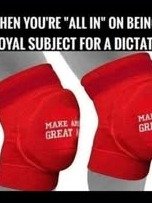
In an era defined by political flux and shifting allegiances, a powerful undercurrent of unwavering loyalty continues to shape the American political landscape. For millions of voters, the choice for leadership isn’t just about policy; it’s about a profound connection to a vision, a personality, and a movement that they believe genuinely represents their interests. This deep-seated commitment is why many are ready to cast their ballot for a familiar figure again, while simultaneously looking ahead to 2028 with a clear successor in mind.
The question isn’t whether support exists, but rather, how this steadfast dedication endures and what it signifies for the future of American politics. It’s a sentiment that transcends conventional political analysis, rooted in a belief that certain leaders possess the unique ability to challenge the status quo and fight for the forgotten. This isn’t just about voting; it’s about a movement, and the individuals who lead it.
The Enduring Appeal of a Populist Leader
For a significant segment of the electorate, the enthusiasm for Donald Trump remains as strong as ever, if not stronger. His 2016 victory wasn’t just an upset; it was a seismic shift that redefined the Republican Party and American political discourse. His supporters often point to his ‘America First’ agenda, which prioritized domestic industries, border security, and a non-interventionist foreign policy, as a refreshing departure from traditional political norms.
The appeal is multifaceted. Many voters felt—and still feel—that Trump spoke directly to their concerns, cutting through what they perceived as political correctness and media bias. His rallies were not just political events but cultural phenomena, fostering a sense of community and shared purpose among his base. This direct connection, often bypassing traditional media, created a bond that has proven remarkably resilient against criticism and controversy.
During his presidency, key policies resonated deeply. The tax cuts were lauded by many as a boon for businesses and families, while deregulation was seen as unleashing economic potential. Furthermore, his appointments of conservative judges to federal courts, including three Supreme Court justices, fulfilled a long-held desire for a judiciary that interprets the Constitution strictly. These actions cemented his legacy in the eyes of his supporters, reinforcing their belief that he delivered on his promises.
Looking Beyond 2024: The Succession Question
While the focus for many remains firmly on the upcoming 2024 election, the political landscape is always shifting, and thoughtful voters often look ahead. The idea of a political ‘heir’ or successor is a natural evolution in any robust political movement. If the current leader is not on the ballot in 2028, the question of who can effectively carry the torch becomes paramount, and for many, the answer is already clear.
This forward-thinking approach isn’t about diminishing current support, but rather about ensuring the longevity and continued impact of a particular political philosophy. It’s about identifying individuals who not only share the core tenets of the ‘America First’ movement but also possess the charisma, intellect, and fight to lead it into the next generation. The search for a worthy successor is a testament to the strength and enduring nature of the movement itself.
J.D. Vance: A New Voice for the Movement
Enter J.D. Vance. The Ohio Senator has rapidly emerged as a leading figure within the conservative movement, drawing significant attention as a potential future presidential contender. Vance’s journey is compelling: from a working-class background in Ohio, chronicled in his best-selling memoir ‘Hillbilly Elegy,’ to Yale Law School and a successful career in venture capital, before his pivot to politics.
His personal story resonates deeply with many voters who feel left behind by economic globalization and cultural shifts. Vance articulates the concerns of the working class and the Rust Belt with an authenticity that few other politicians can match. His transformation from a vocal critic of Donald Trump in 2016 to one of his most ardent supporters and ideological allies speaks volumes about the gravitational pull of the populist conservative movement.
“J.D. Vance isn’t just a politician; he’s a voice for an entire segment of America that feels unheard. His understanding of the challenges facing our communities, combined with his intellectual rigor, makes him uniquely positioned to lead.” – A common sentiment among his supporters.
Vance’s policy positions align closely with the ‘America First’ agenda. He advocates for robust domestic manufacturing, a critical stance on China, a more restrained foreign policy, and a strong emphasis on cultural conservatism. He consistently critiques corporate power and globalist agendas, echoing the populist sentiments that fueled Trump’s rise.
Why Vance Is Seen as the Natural Successor
For those who see Vance as the logical next in line, several factors stand out. Firstly, his intellectual depth and ability to articulate complex ideas are significant assets. He can engage in nuanced policy debates while simultaneously connecting with everyday Americans on a deeply personal level. This blend of intellectualism and populism is a rare and powerful combination.
Secondly, his youth and relative freshness on the national stage offer a dynamic contrast. At 39, Vance represents a younger generation of conservative leadership, capable of carrying the movement’s message for decades to come. His communication style, while different from Trump’s, is equally effective in its directness and willingness to challenge established narratives.
- Shared Vision: Vance consistently champions policies that align with the ‘America First’ framework, focusing on American workers, sovereignty, and traditional values.
- Authentic Voice: His personal story and understanding of working-class struggles lend him credibility and resonance with a key demographic.
- Intellectual Acumen: Vance possesses the ability to articulate and defend conservative principles with depth and clarity, a crucial trait for national leadership.
- Media Savvy: He is adept at navigating modern media, effectively conveying his message across various platforms.
Furthermore, Vance has demonstrated a willingness to fight, a trait highly valued by the ‘America First’ base. He doesn’t shy away from confrontation and is seen as a strong advocate for his constituents and the broader movement. This perceived toughness, combined with his thoughtful approach, positions him as a formidable future candidate.
The Future of Conservative Leadership
The unwavering support for both Donald Trump and J.D. Vance signals a clear direction for the modern conservative movement. It’s a movement that has moved beyond traditional Republican orthodoxy, embracing a more nationalist, populist, and culturally conservative platform. This shift is not merely tactical; it reflects a fundamental re-evaluation of what it means to be conservative in 21st-century America.
The base is looking for leaders who are not afraid to challenge the establishment, whether it’s the entrenched political class, corporate elites, or perceived cultural decay. They want champions who will prioritize the interests of American citizens above all else, and who possess the strength and conviction to see their vision through. This desire for strong, decisive leadership is a powerful force that will continue to shape elections for years to come.
Ultimately, the sentiment of supporting ‘him’ again, and then Vance, is more than just a preference for individual politicians. It’s an affirmation of a belief system, a commitment to a particular vision for the country, and a profound trust in leaders who are perceived as genuine fighters for the American people. This deep loyalty is a testament to the enduring power of populism and the continued evolution of the conservative movement.
As the political landscape continues to evolve, the names may change, but the core principles and the fervent dedication of this base remain a potent force. For these voters, the future of America hinges on leadership that is both strong and aligned with their values, and they are ready to stand by those who embody that ideal, today and in the years to come.
About the Author




